
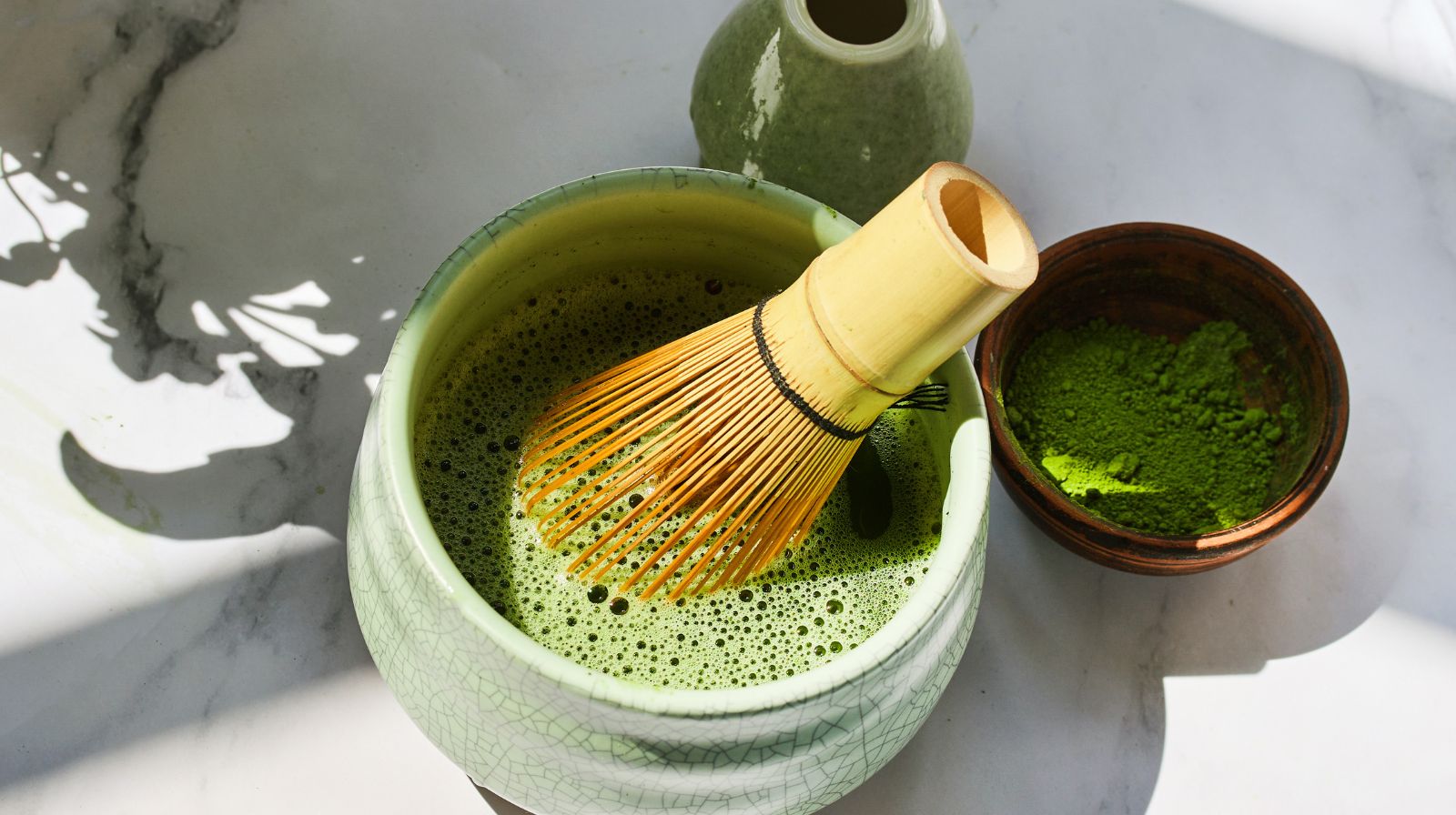
The Real Reason Matcha Is Considered a Superfood Today
If you have ever wondered why matcha is often called a nutrient-dense superfood, the answer lies in how unique it is compared to regular tea. Most teas are brewed and discarded, but matcha powder is made by grinding the whole tea leaf into a fine, edible form. In fact, matcha tea antioxidants can go up to 10 to 137 times more because you consume the full leaf. This single difference increases the nutrient density of matcha by a huge margin.
Because you are consuming an entire leaf, you get higher levels of antioxidants, amino acids, vitamins, minerals, and chlorophyll in every cup. This is why matcha health benefits feel stronger and more noticeable. The more pure and high-quality the leaf is, the better the nutritional value, which is why choosing organic Japanese matcha plays such an important role for people who want maximum benefits from the drink.
The Antioxidant Power Behind Matcha
One of the biggest matcha tea benefits comes from its antioxidant levels, especially EGCG. These matcha antioxidants are much higher than what you get from regular green tea.
Antioxidants fight free radicals, support cellular health, and help with natural aging and overall wellness. When people look for matcha powder benefits or general matcha green tea benefits, this is usually the first reason. A cup a day can help support better metabolism and long-term health.
A Natural Source of Vitamins, Minerals, and Chlorophyll
Matcha is not just a green drink anymore; it is a natural powerhouse of nutrients, vitamins, minerals, and other beneficial compounds in a single cup. Here’s what makes it so special:
-
Vitamins galore: Rich with vitamins like A, C, E, K, and B-complex.
-
Essential minerals: To support daily health, it contains potassium, iron, and more.
-
Chlorophyll-rich: Promotes natural detox and overall well-being.
-
Complete nutrient profile: You consume nutrients in a more natural and unprocessed form because you are drinking the whole leaf.
Why Matcha Tea Grades Matter
Matcha comes in different grades, and every grade plays a different role in nutrient density and taste.
-
Ceremonial Matcha is made from the younger leaves (1st harvest), which contain more L-Theanine, chlorophyll, and antioxidants.
-
Everyday Matcha is made from a later harvest, which has a slightly stronger than usual taste, used especially for cooking/baking.
When people search for different grades of matcha or matcha tea grades, it is usually because they want to choose the right option for daily drinking. If your focus is on maximum matcha green tea benefits, ceremonial matcha is considered the best choice. This is why many high-quality brands aim to offer organic Japanese matcha sourced from the best regions.
At Bree Matcha, we focus on providing organic matcha powder, sourced from Kagoshima, Japan, that is bright green, smooth in taste, and packed with the natural compounds that make matcha so unique.
How Matcha Supports Daily Health
The benefits of matcha go beyond antioxidants. Here are some aspects people notice when they add it to their routine:
• Supports metabolism
• Helps with natural focus and mental clarity
• Supports heart health
• Strengthens immune function
• Provides steady energy without crashes
These matcha health benefits make it a simple addition to any lifestyle, whether you follow a vegan or a general healthy eating approach.
How to Add Matcha to Your Diet
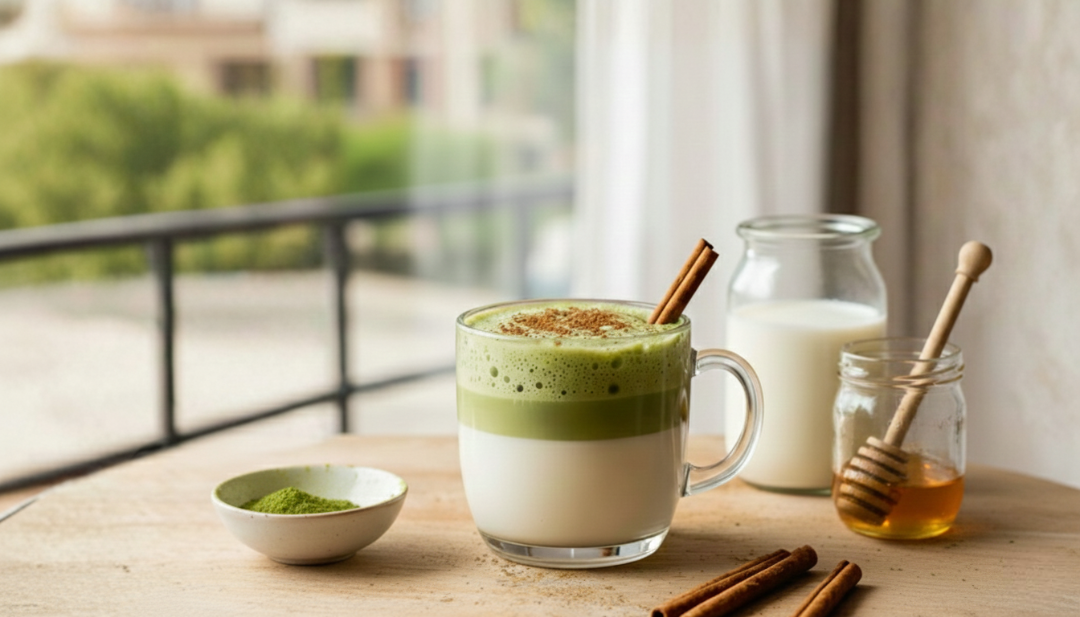
Including matcha in your routine is not as hard as you think. You can simply start with a classic matcha latte or experiment with other recipes. Just 1–2 grams is enough to get the full nutrient boost.
Tips to enjoy matcha:
-
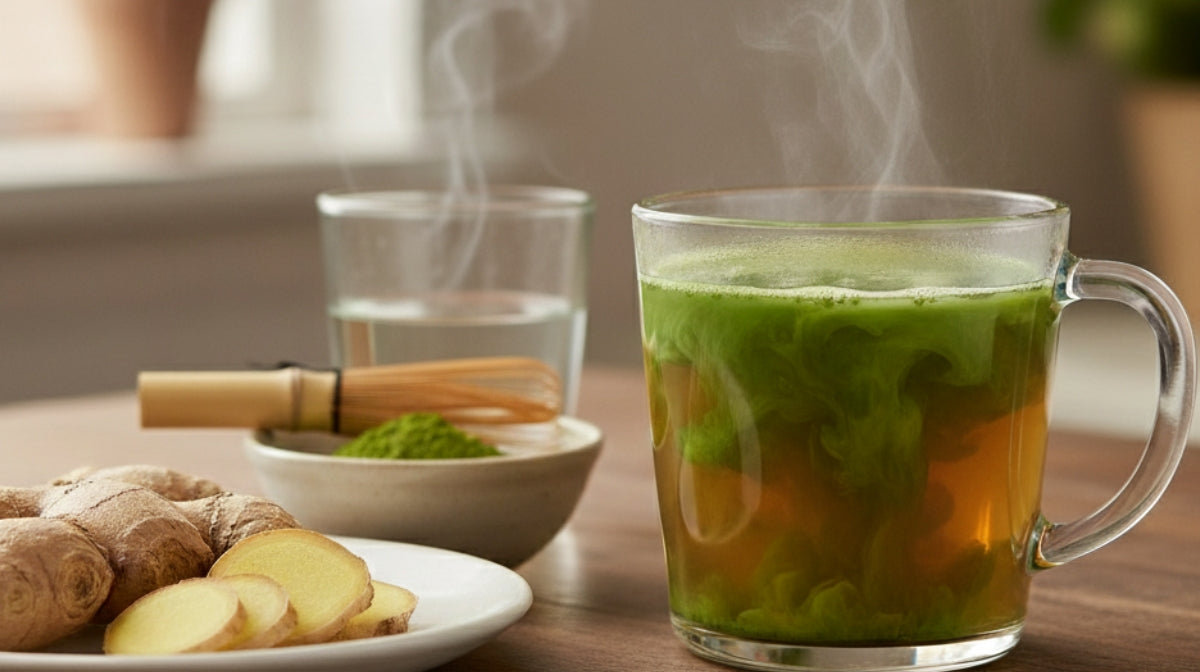
Start simple: Try a latte or mix it with warm water for a traditional cup.
-
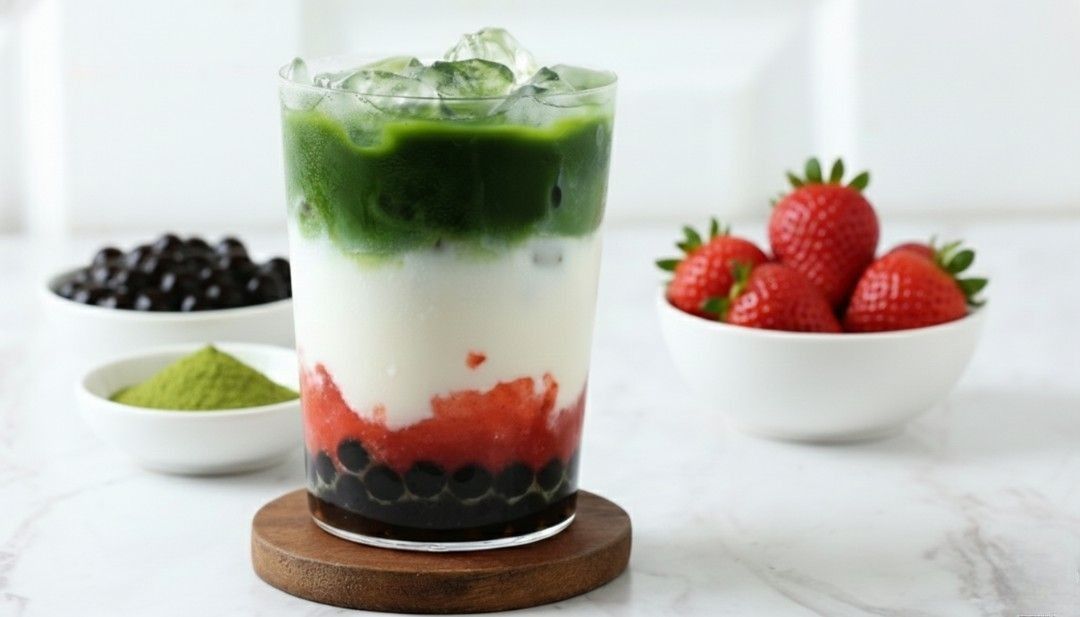
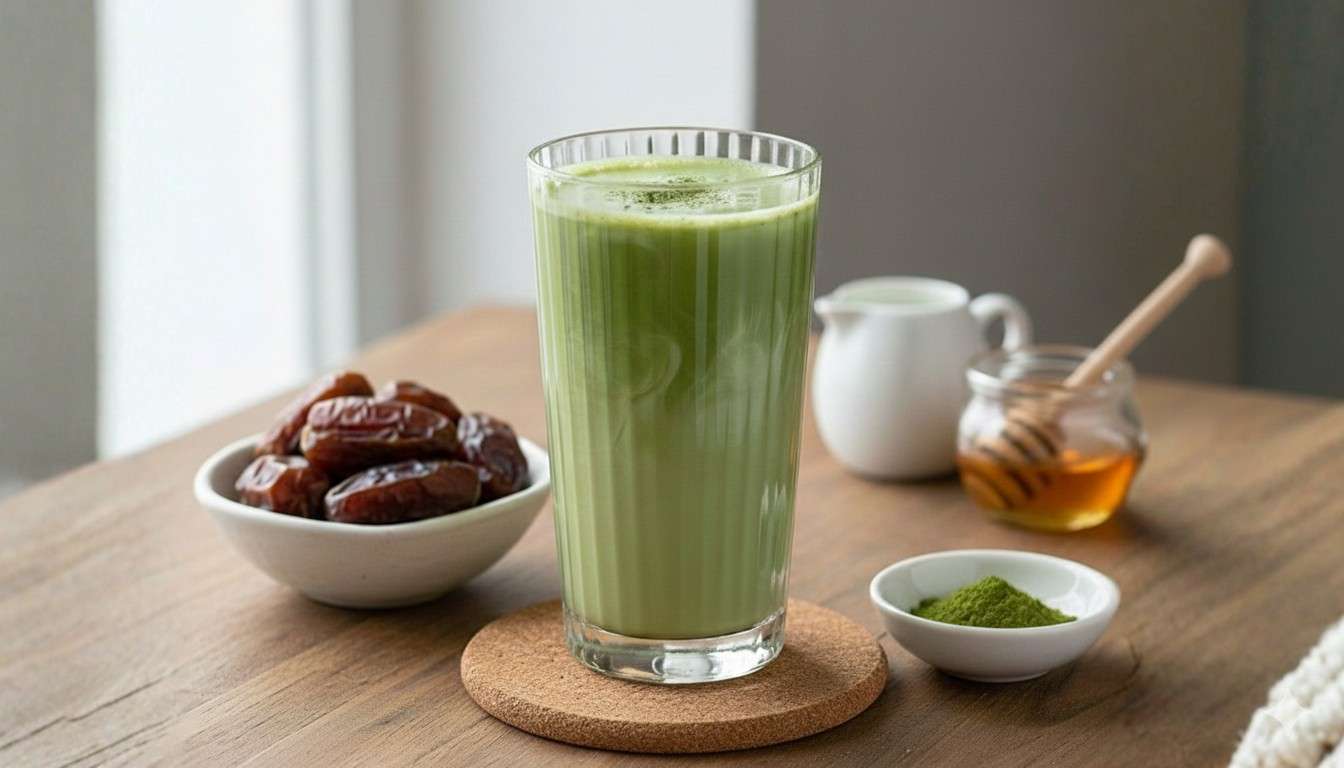
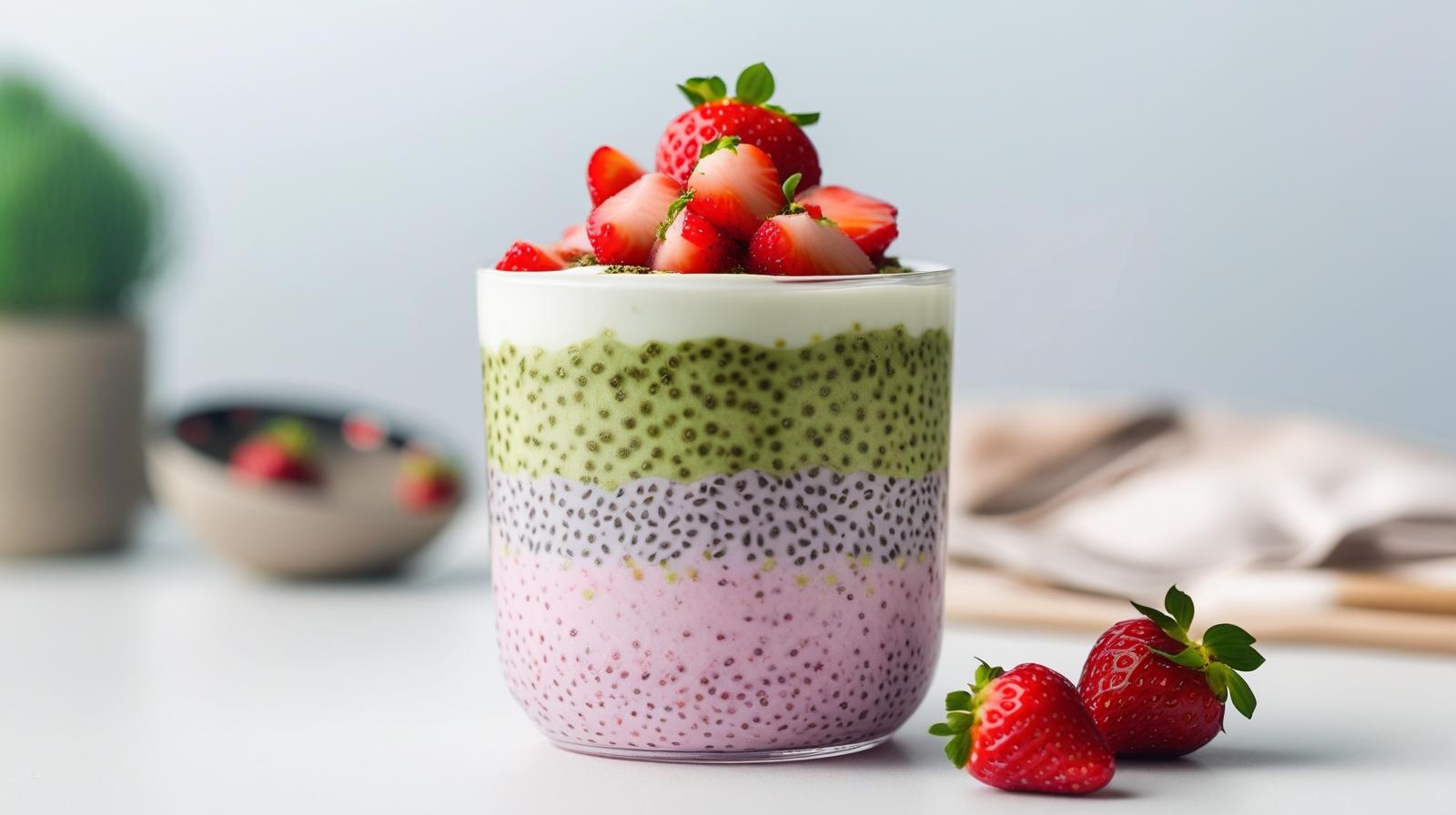
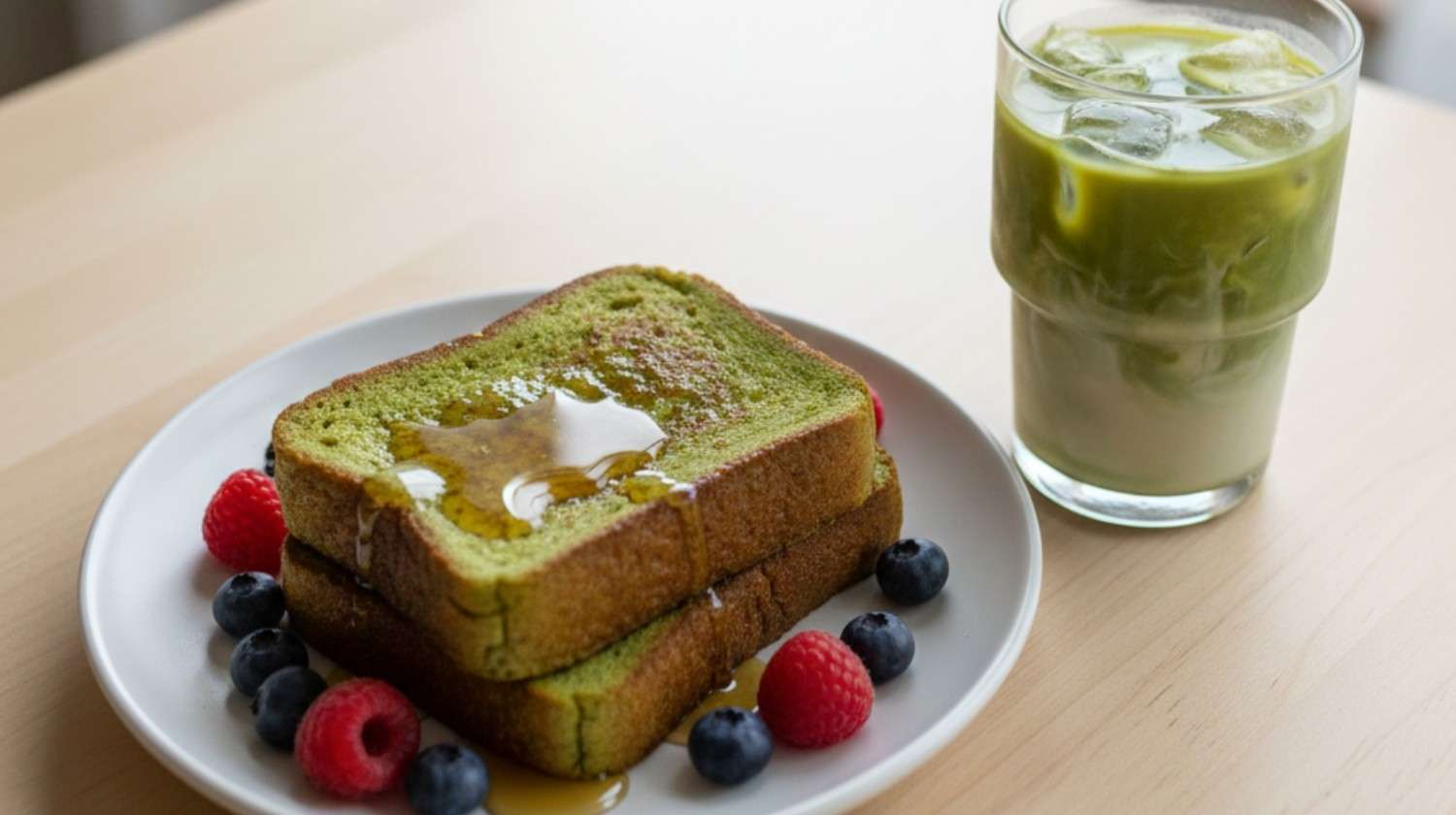
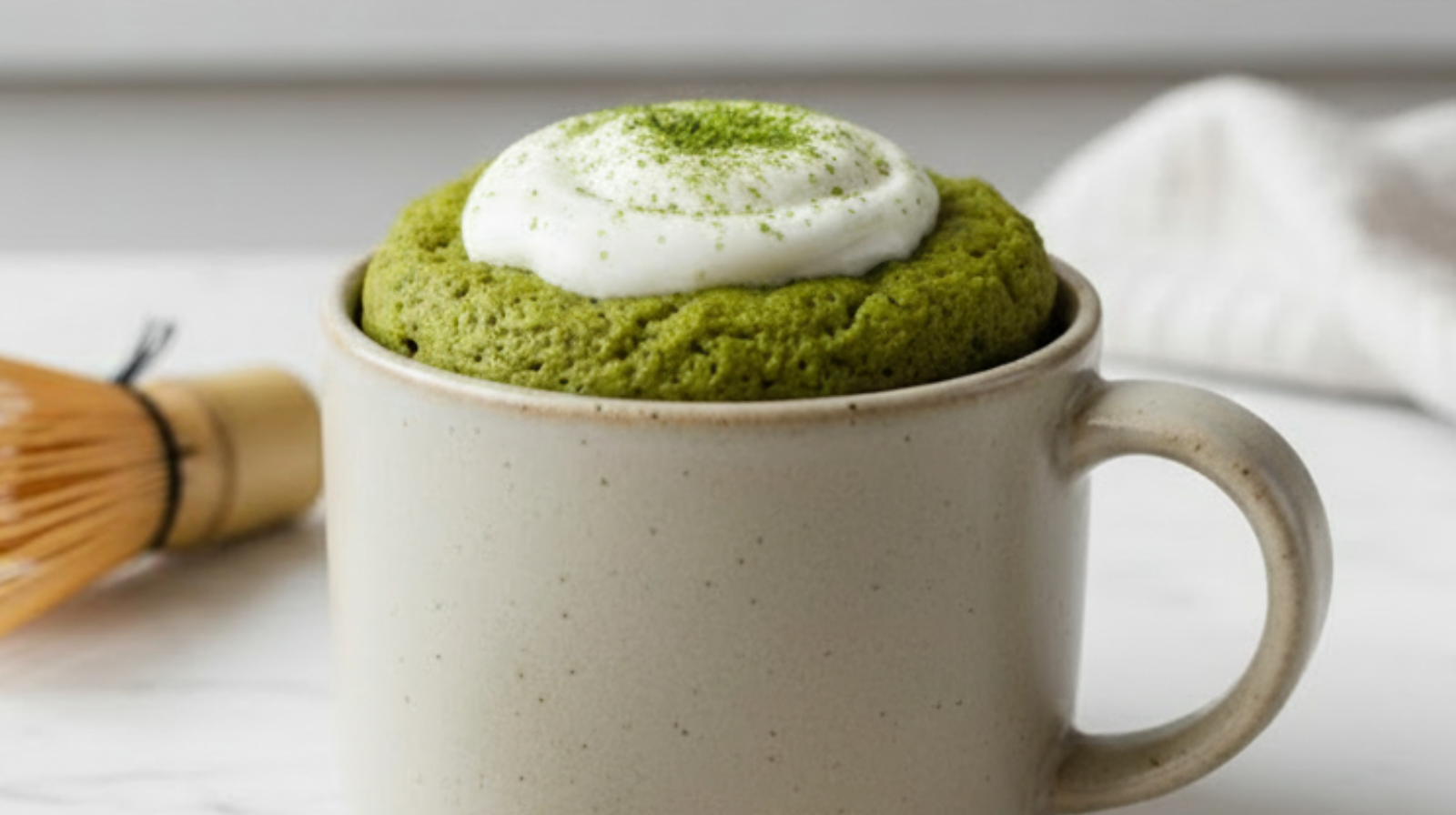
Get creative: Blend into smoothies, yogurt, or even baking recipes.
-
Watch the quality: Look for bright green color, smooth texture, and a fresh aroma as signs of high-quality matcha.
-
Small but mighty: A little goes a long way 1–2 grams is enough per serving.
Clearing Up Common Matcha Misconceptions
People often assume matcha is very bitter or too strong, but good ceremonial-grade matcha is naturally smooth and slightly sweet. There is also confusion about caffeine. Matcha does have caffeine, but L-Theanine balances it out, so it feels gentler than coffee.
Another misconception is about sourcing. Authentic matcha only comes from Japan. This is why choosing organic Japanese matcha ensures purity, quality, and safety.
Final Thoughts: A Simple Choice for Better Nutrition
Matcha stands out because you drink the whole leaf. This gives you more antioxidants, vitamins, minerals, and amino acids than any other tea. If you want to experience real matcha health benefits, choosing the best quality matcha powder makes a big difference. High-quality organic matcha powder gives you the full nutrient density and smooth taste that matcha is known for.





Share:
How to Choose the Right Matcha Grade for Your Lifestyle
Should You Drink Matcha on an Empty Stomach?