
Yes, and Here’s Why It Actually Makes Sense
Winter changes how our bodies feel and what it needs. We crave warmth, comfort, and steady energy. Cold mornings make it harder to get out of bed, digestion feels slower, and heavy drinks like can sometimes feel too harsh. This is where matcha fits in surprisingly well.
Why Matcha Works So Well in Cold Weather
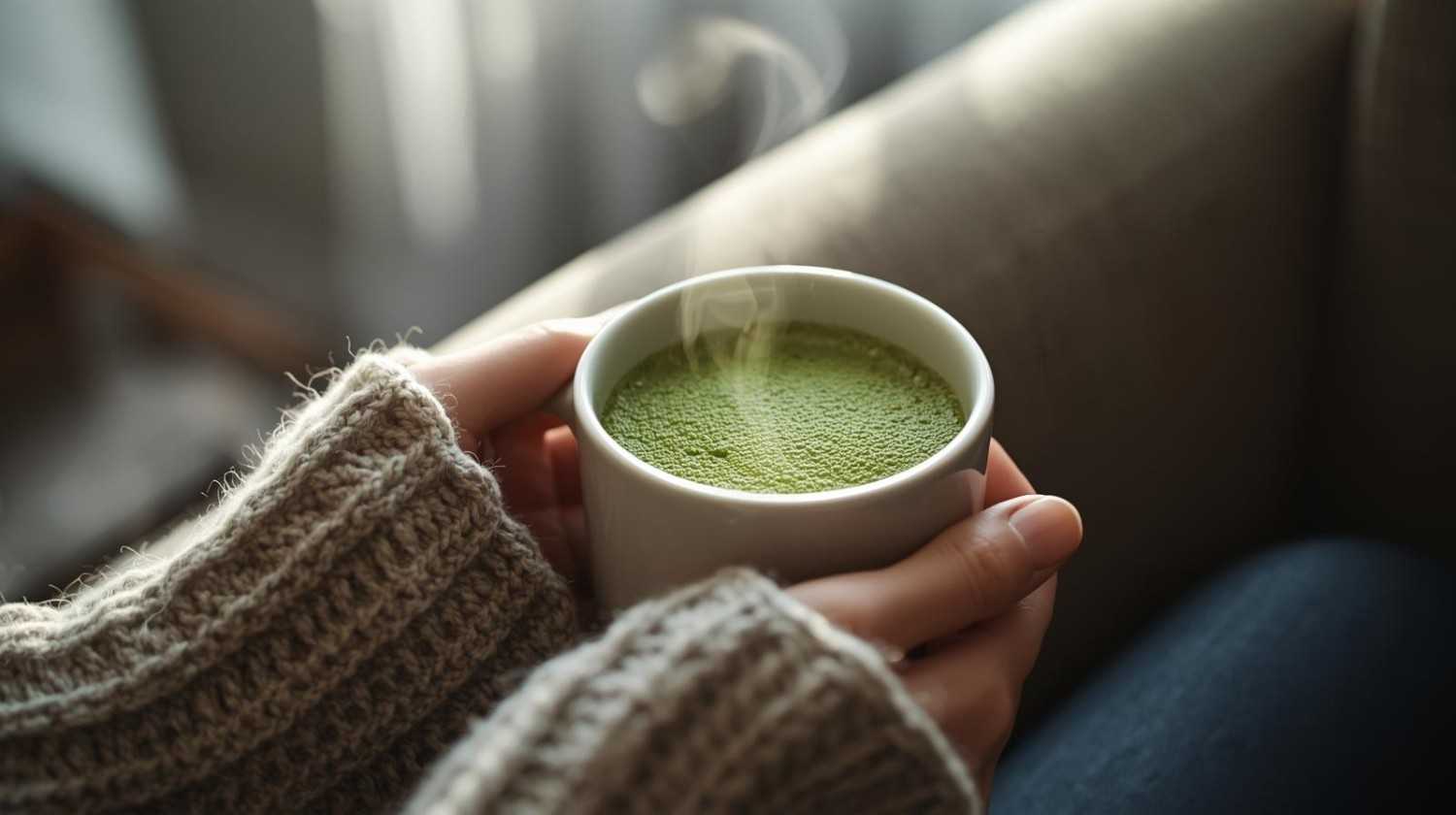
Matcha is often seen as a summer or iced drink, but traditionally, it has always been consumed warm. In winter, a cup of matcha does more than just wake you up. It supports warmth, focus, and balance without overstimulating the body.
Unlike coffee, matcha gives slow, steady energy. This is especially helpful in winter when the body naturally wants to slow down and conserve energy.
The Winter Matcha Benefits
Winter puts extra pressure on your energy, digestion, and immunity. Matcha supports the body in a balanced way during colder months because it provides warmth, steady energy, and antioxidants without overstimulation. When consumed warm, matcha helps you feel alert yet calm, making it easier to stay focused even when days are shorter and mornings are slower. Its natural compounds work gently with your system, which is exactly what the body needs in winter.
Key winter benefits of matcha:
-
Provides slow, sustained energy without jitters
-
Rich in antioxidants that support immunity
-
Gentle on digestion compared to strong coffee
-
Helps reduce winter fatigue and sluggishness
-
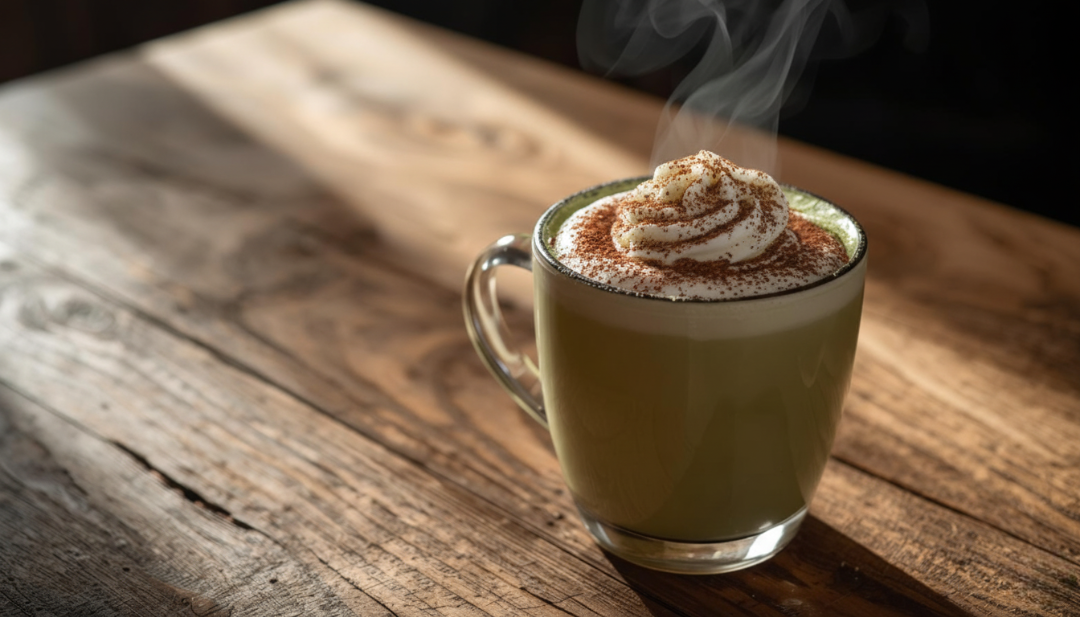
Naturally comforting when consumed warm
Supports Immunity When You Need It Most
Winter is the season of low immunity. Matcha is rich in antioxidants, especially catechins like EGCG, which help support the immune system. Since you consume the whole leaf, high-quality matcha offers more nutritional value than regular green tea.
Choosing Japanese matcha or Japanese matcha powder matters here. Better quality leaves mean higher antioxidant levels and a cleaner taste, which is important when your body is already more sensitive in winter.
Gentle on Digestion During Heavier Winter Diets
Winter meals are usually heavier and richer. Matcha helps balance this by supporting digestion without being too strong. Warm matcha can feel soothing, especially in the morning or between meals.
Many people find matcha easier on the stomach compared to coffee, especially when consumed as pure matcha with warm water.
A Warm Drink That Actually Feels Comforting
Winter drinks don’t have to be a total sugar-heavy snooze fest. Matcha’s natural umami brings a grounding, earthy energy that feels like a warm hug for your brain. It’s the ultimate winter upgrade for when you want to stay cozy without the sugar crash basically, all the comfort with none of the "I need a nap" energy.
Swapping your morning coffee for a simple matcha tea or warm latte is the easiest way to ditch the winter sugar overload. Bree’s Signature Matcha is smooth and vibrant enough for every kind of sipper, turning your cold-weather ritual into a reliable, no-bitterness moment that keeps you calm and energized through the day.
Best Ways to Drink Matcha in Winter
How you prepare matcha in winter makes a big difference. Warm and simple works best.
Some easy matcha recipe ideas for daily winter use:
-
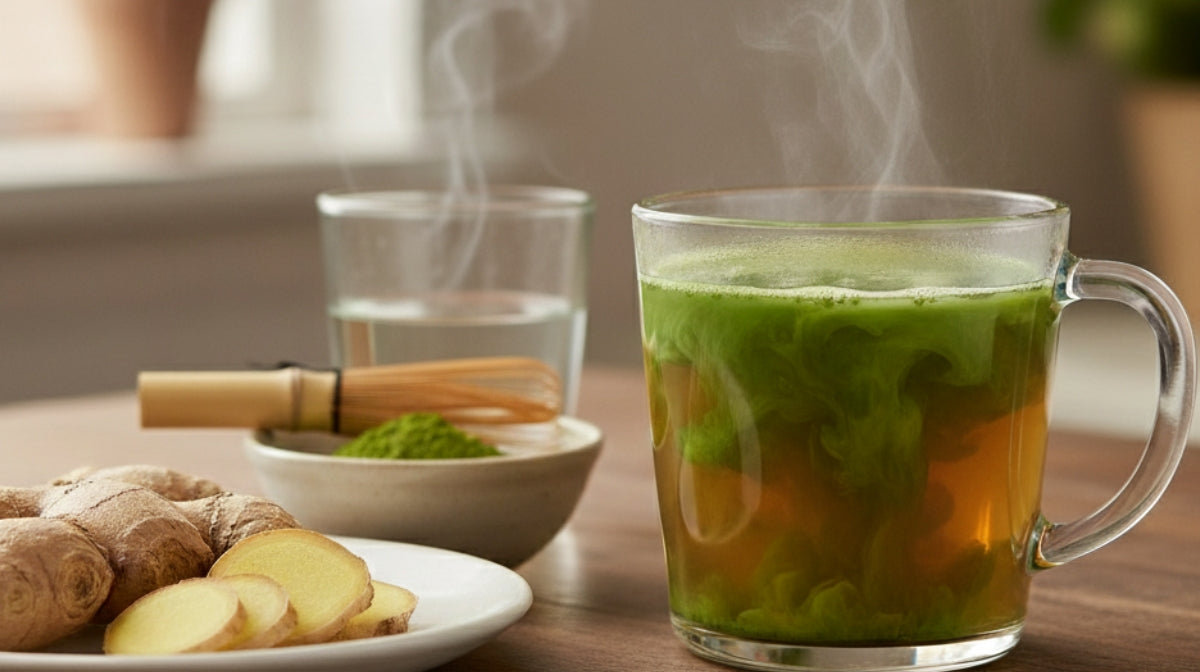
Warm matcha with water for a clean, calming start to the day
-
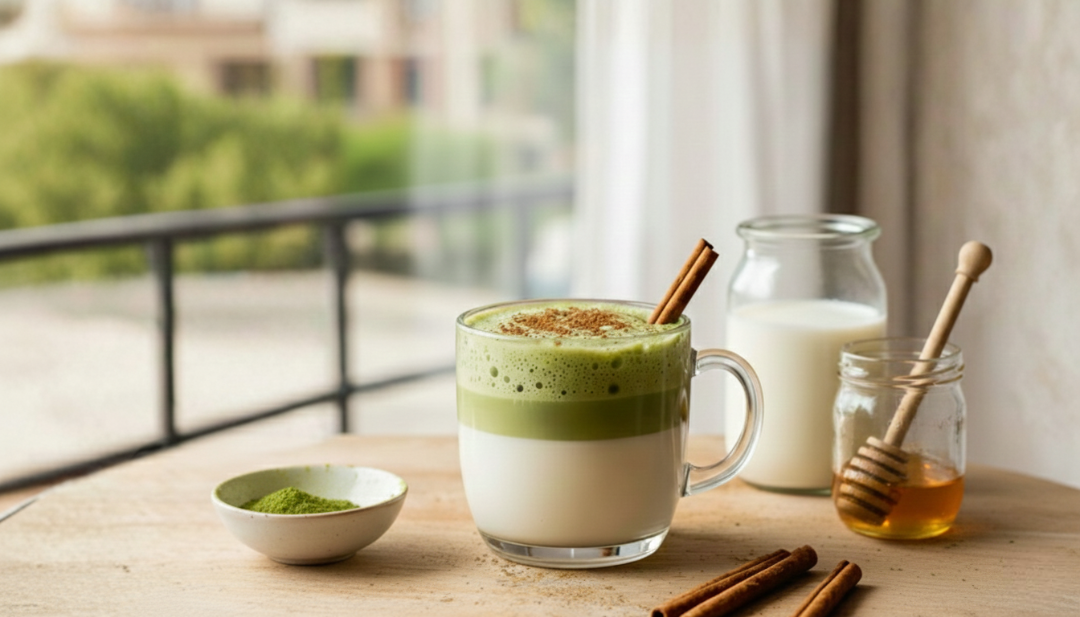
Matcha latte with milk for a cozy afternoon break
-
Matcha with a pinch of cinnamon or ginger for extra warmth
-
Matcha after meals to feel lighter and more balanced
Using premium matcha or the best quality matcha ensures the drink stays smooth and not bitter, even when served warm.
Why Quality Matters More in Winter
In winter, people tend to add milk, spices, or sweeteners. Low-grade powders turn bitter quickly, forcing you to add sugar. That defeats the purpose.
High-quality matcha and pure matcha blend better, taste smoother, and stay pleasant even with warm milk. This is why the best matcha green tea powder options usually come from Japan and are processed carefully.
Final Thoughts
When prepared warm and consumed regularly, matcha supports exactly the way your body requires during winters for steady energy, better digestion, immune support, and a sense of calm without heaviness. It warms you from the inside, keeps energy balanced, and feels comforting without relying on sugar or strong stimulants.
With good quality matcha, especially smooth Japanese varieties, winter matcha becomes less about caffeine and more about balance, warmth, and consistency. And honestly, that is exactly what most of us are looking for when the days get colder.
FAQs
Q. Is matcha better hot or cold in winter?
A. Hot or warm matcha is better in winter as it supports warmth and digestion.
Q. Can matcha keep you warm in cold weather?
A. Yes. Warm matcha helps increase internal warmth and feels comforting.
Q. Is matcha good for immunity in winter?
A. Yes. Matcha is rich in antioxidants that support immune health.
Q. Can I drink matcha every day in winter?
A. Yes, when consumed in moderation and made with high-quality matcha.
Q. Is matcha better than coffee in winter?
A. Many people prefer matcha because it gives steady energy without jitters.



Share:
How to Choose Matcha Online