
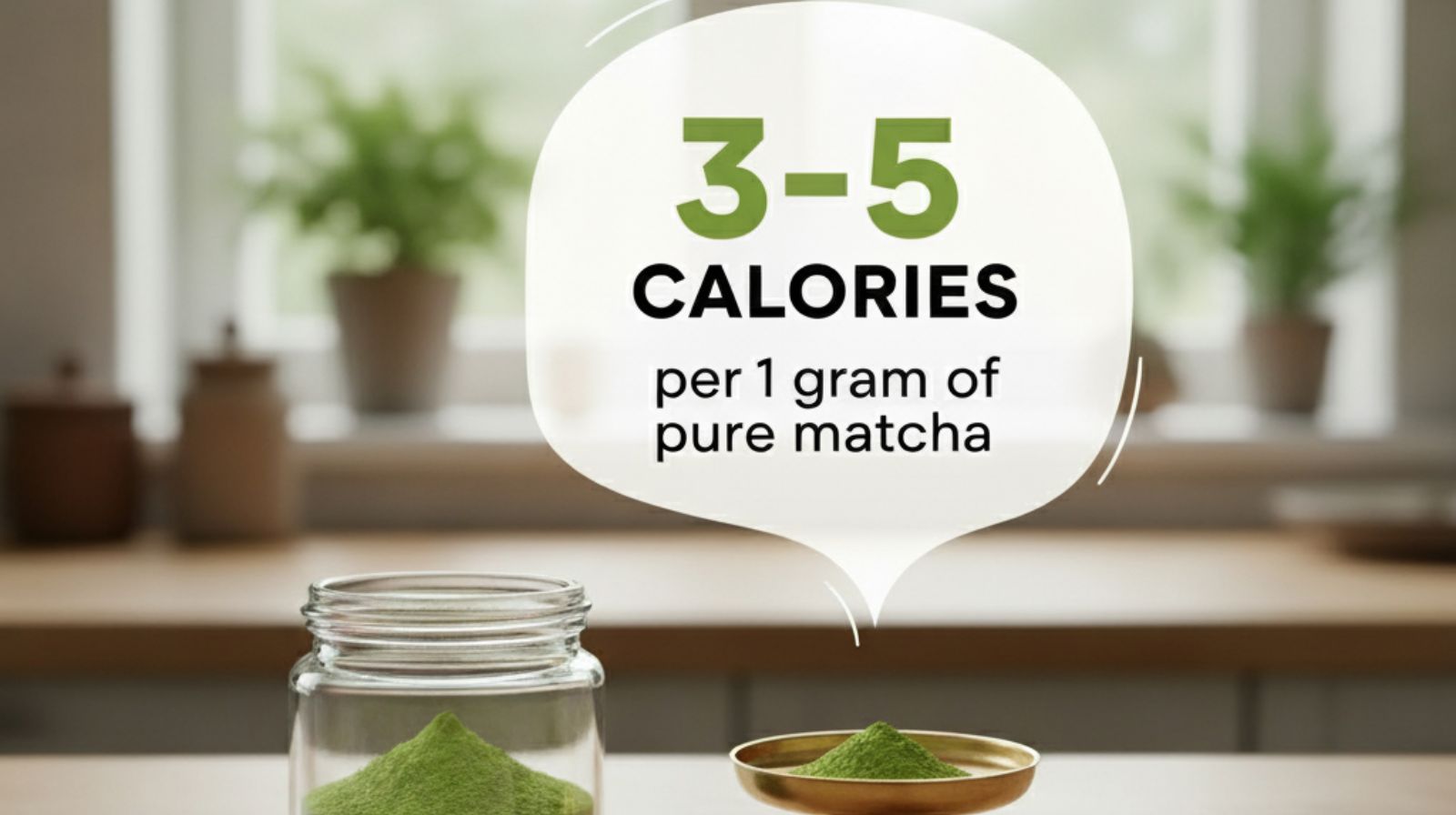
If you are trying to replace sugary drinks with something lighter, matcha usually comes to mind. It is healthy, it tastes fresh, and it fits easily into a daily routine. But before people make the switch, there is always one simple doubt: how many calories does matcha have? The simple answer is that one gram of pure matcha powder has only 3 to 5 calories. It is a very small number, especially for something that gives you so much energy and focus.
The good news is that matcha is one of the lowest-calorie drinks you can choose, and the real value goes far beyond the number. It is packed with strong nutrients, antioxidants, and natural compounds that support your energy and overall health with every cup. This is also why many people now look for ceremonial-grade matcha powder and trusted brands like Bree Matcha when they want maximum benefits in the cleanest way possible.
Pure Matcha vs Latte Calories
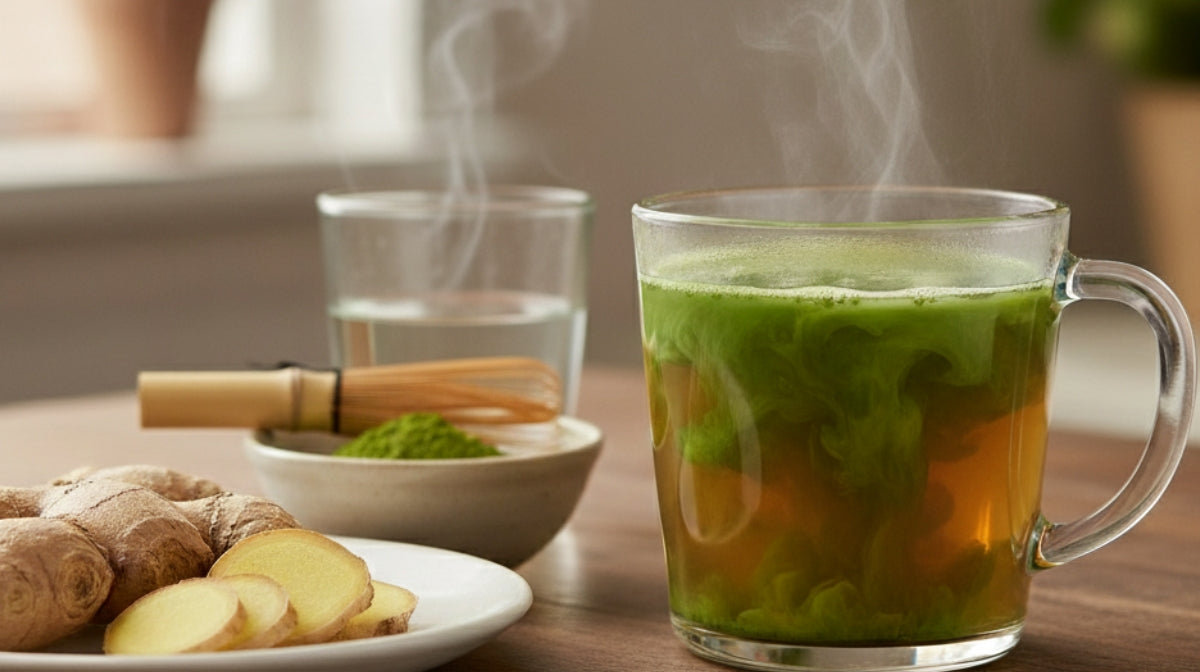
When you drink matcha with just water, you are consuming not more than 5 calories. This makes it a great option for anyone who wants a clean, low-calorie drink.
1. Pure Matcha (3–5 Calories)
A cup of whisked ceremonial matcha is light, clean, and perfect for people who track their intake. It supports energy, focus, and calm without the calorie load of sugary drinks.
2. Why Lattes Are Higher In Calories
The calories increase only when you add:
-
Milk
-
Sweeteners
-
Flavoured syrups
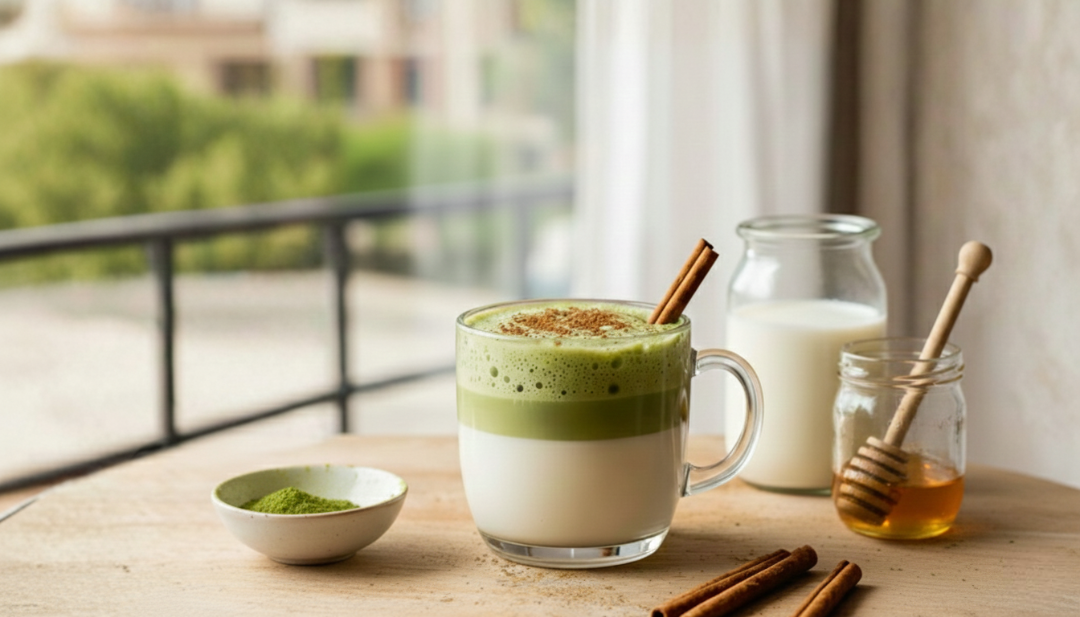
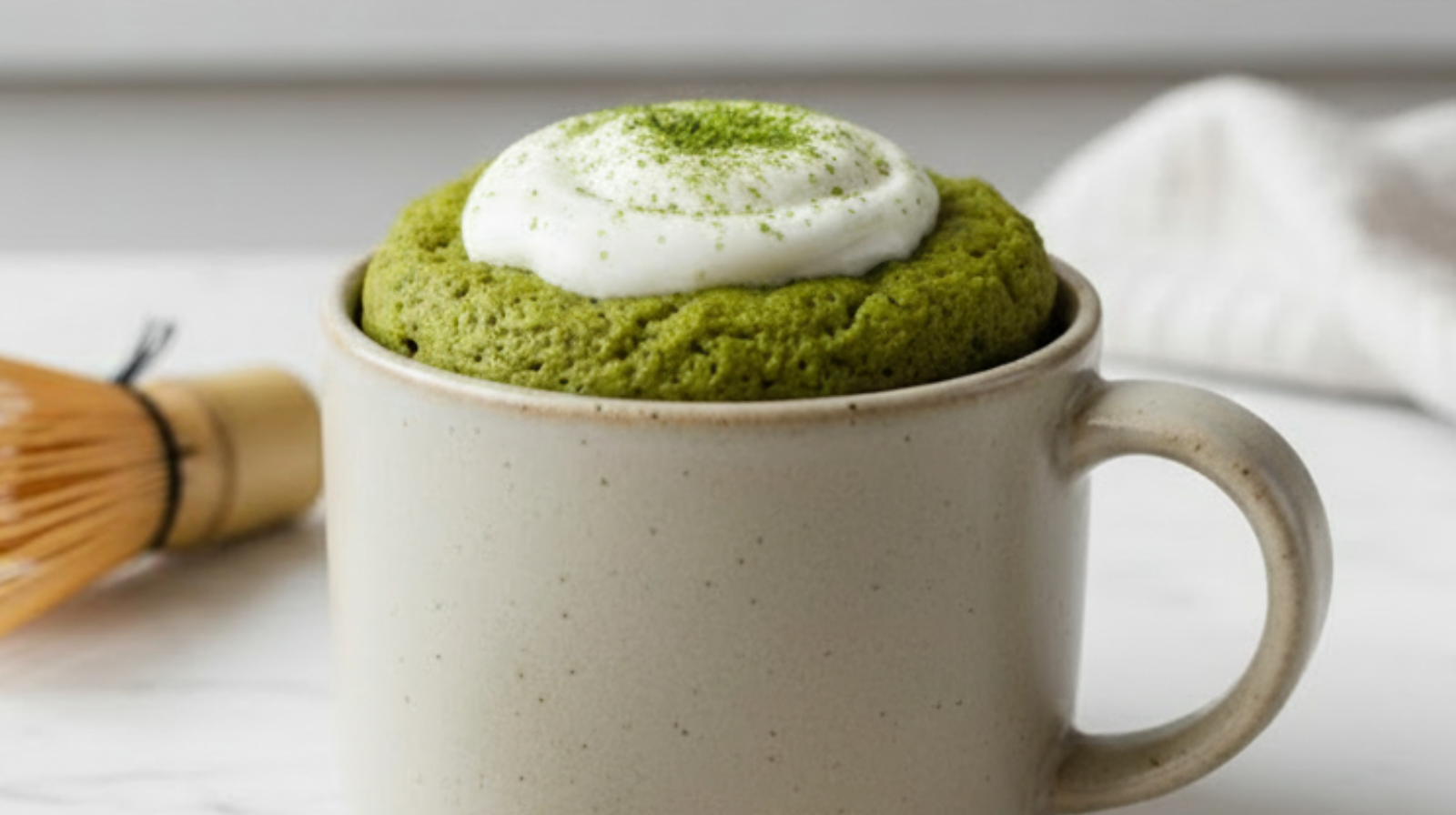
This is where the number jumps. For example, dairy milk or oat milk can add anywhere from 40 to 120 calories, depending on how much you use. If you want a light drink, a simple tip is to use unsweetened almond milk and a few drops of stevia. This keeps your matcha tea recipe low in calories without affecting the taste.
The Real Benefit: The Matcha Nutritional Value
Matcha is different from regular tea because you consume the whole leaf. This means you get 100 percent of its nutrients, which makes it much more powerful than steeped green tea.
Here are the key matcha nutrients that make it stand out:
- Chlorophyll: Shade-grown matcha has a deep green color because of its high chlorophyll content. Chlorophyll supports natural detox and helps your system stay clean.
- Fiber: Matcha contains small amounts of fiber, which helps digestion and supports steady energy. This is also why matcha feels more filling than regular tea.
- L-Theanine: Matcha naturally contains L-theanine, an amino acid that promotes calm, steady focus. It helps smooth out the effects of caffeine, giving you relaxed energy without jitters or crashes
- EGCG: Matcha is rich in EGCG, one of the most powerful antioxidants found in green tea. It supports metabolism, protects cells from damage, and contributes to the overall wellness benefits that matcha is known for.
- Catechins: Matcha has a high concentration of catechins, a group of natural compounds that help fight free radicals. These antioxidants support immunity, help reduce oxidative stress, and play a key role in matcha’s health properties.
Matcha Antioxidants and Why They Matter
The strongest part of matcha is its antioxidants, especially EGCG. This is one of the most researched antioxidants in the world.
EGCG Supports Metabolism
Many people enjoy matcha for its gentle support in weight management. EGCG plays a key role in this. It helps your body work more efficiently and supports your natural calorie-burning process.
Why Quality Matters
The antioxidant content is highest in the best matcha green tea powder, especially ceremonial grade matcha. Low-quality matcha has fewer nutrients and may not give the same benefits. This is why choosing the best matcha brands is important if you want real results.
Bree Matcha uses high-grade Japanese leaves to make sure you get the strongest natural compounds per gram.
Choosing the Right Matcha for a Low-Calorie Routine
If your goal is a healthy, low-calorie drink, here is what matters:
Choose Ceremonial Grade:
Ceremonial-grade matcha tastes naturally smooth, so you do not need to add sugar or syrups. This helps keep your total calories low.
Focus on Trusted Brands:
When you choose Bree Matcha, you know you are getting clean, rich color, high antioxidant levels, and good taste. This means fewer calories, more benefits, and a drink that supports your day without any extra load.
Conclusion:
Pure matcha has low calories, but it gives you a powerful mix of antioxidants and natural energy. It is one of the easiest ways to improve your daily routine without changing too much.
If you want a clean drink that supports your health, try adding Bree Matcha to your day. You can make a simple tea or your favorite latte and enjoy the boost without worrying about the calorie count.
Your cup stays light. Your benefits stay high.
FAQs About Matcha Calories
1. Are there calories in matcha?
Yes, but very few. Pure matcha naturally contains a small amount of calories because it comes from real tea leaves. Compared to most beverages, it is considered extremely low-calorie.
2. How many calories are in a standard serving of matcha powder?
A standard 1-gram serving of pure matcha powder has 3–5 calories. Even if you use 2 grams for a stronger cup, it stays under 10 calories.
3. How many calories are in a matcha drink?
It depends on how you prepare it.
-
Matcha + water: 3–5 calories
-
Matcha latte: varies from 40–120+ calories depending on milk and sweeteners
The extra calories come from the add-ins, not the matcha itself.
4. Is matcha powder 0 cal?
Not exactly. Matcha does not have zero calories, but close to just a few calories per serving. It is still one of the lowest-calorie drinks you can include in your daily routine.



Share:
How the Vitamins in Matcha Help With Skin Brightening & Glow
Matcha’s Effects On Hormonal Balance, Especially For Women