
Key Takeaways
- Athletes need consistent energy, mental clarity, and recovery support to perform at their best.
- Matcha provides slow-release caffeine + L-theanine for sustained focus.
- Rich in antioxidants like EGCG, matcha supports muscle recovery and reduces fatigue.
- A clean alternative to sugary energy drinks, matcha fuels performance without crashes.
- High-quality matcha enhances both performance benefits and taste experience.
In This Article
Why Energy Matters for Athletic Performance
Benefits of Matcha for Athletes
How Athletes Can Add Matcha to Their Routine
Just think about the last ten minutes of a gruelling training session. Your body has had enough, and your mind is somewhere between the finish line and the floor. And, whatever you had before you started, like a double shot of espresso or the neon-colored energy drink, peaked an hour ago and took your focus along with it.
Every athlete knows what we're talking about. The question is not to see if it happens or not, but to know what to do about it. Well, the answer is matcha. Real matcha has been trusted by samurai, monks and the elite performers for centuries. It does not shout energy at you, but delivers it steadily, quietly, and without any crashes.
Why Energy Matters for Athletic Performance
Athletic performance has never just been about raw strength or physical skills. It's also about duration. For instance, how long can you sustain precision, or for how many minutes into a match can you still make sharp and fast decisions? Energy dips do not just slow your legs, but it also slows your mind. Consequently, coordination suffers, decision-making blurs, and in a competitive sport, those fractions of a second matter tremendously.
Most athletes instinctively reach for caffeine or commercial energy drinks when they need a lift, and it does work for a short while, but the spike is always followed by the crash. And, the crash always comes at the worst time!
Your body actually needs a different source of energy that rises steadily, holds consistently, and doesn't abandon you mid-performance. That is where matcha for sports performance makes a strong case.
Benefits of Matcha for Athletes

So what really happens when you drink matcha before training? Well, quite a lot, and we are about to find out all about that.
- Sustained Energy Without the Crash
Here’s where matcha genuinely earns its reputation. Matcha contains caffeine, but unlike coffee, the caffeine in matcha is released slowly and steadily into the bloodstream, thanks to a natural amino acid called L-theanine. The result is energy that feels clean, focused, controlled and not a jolt.
- Sharpened Focus & Mental Acuity
Will matcha benefit athletes in terms of mental acuity while under stress? Absolutely. The L-theanine in matcha stimulates alpha brain waves, a state characterized by calm focus and acute awareness. In athletes, this results in quicker response times, enhanced decision-making, and the ability to maintain mental acuity throughout the entire duration of the exercise routine.
- Enhanced Endurance and Stamina
One of the ways that matcha enhances the athletic capacity of individuals is through improving their body’s energy utilization process. The matcha tea promotes efficient burning of the body’s fuel stores, thereby sparing muscle glycogen, thus ensuring that the muscles function longer.
- Antioxidant Support for Quick Muscle Recovery
Athletic activities often involve intense exertion, which leads to the creation of oxidative stress within the muscles, causing muscle fatigue and pain during the period of recovery. The antioxidant capacity of the matcha, including its high amount of EGCGs (epigallocatechin gallates), helps to reduce oxidative stress and facilitate muscle recovery.
- A More Natural Substitute for Commercial Energy Drinks
Energy drinks typically contain synthetic forms of caffeine and sugar, along with other artificial flavourings, which provide a short burst of energy at the expense of overall well-being.
Matcha is a natural alternative consisting of pure plant material ground into a powder form.
Matcha vs Energy Drinks for Athletes
An athlete requires energy throughout training or during the game until the very end. Energy drinks may give the body bursts of energy, but this is very short-lived, and therefore, the person may experience fatigue during the exercise. This is where the use of matcha becomes beneficial because it ensures that one does not experience any energy loss during their exercises.
Let’s do a quick comparison to understand the difference.
|
Factor |
Matcha |
Energy Drinks |
|
Source of Energy |
Derived from natural caffeine, balanced by L-theanine |
Dependent on synthetic caffeine and sugar |
|
Energy Release |
Develops gradually and provides consistent energy |
Hits fast, but fades just as quickly |
|
Focus & Mental Clarity |
Maintains clarity and improves concentration and brain function |
Can cause jitters and mental uneasiness |
|
Sugar Content |
Low or zero sugar in pure form |
High in sugar |
|
Ingredients |
Made up of natural ingredients |
Composed of many additives and preservatives |
|
Endurance Support |
Increases endurance levels during workouts |
Suitable for short workouts only |
|
Recovery Benefits |
Full of antioxidants such as EGCG, promoting faster recovery |
Lacks recovery properties |
How Athletes Can Add Matcha to Their Routine

One of the most underrated things about matcha is how adaptable it is. You can fit it into a morning, a pre-training window, a post-workout recovery slot, or whenever you need it.
Before Training or Competition
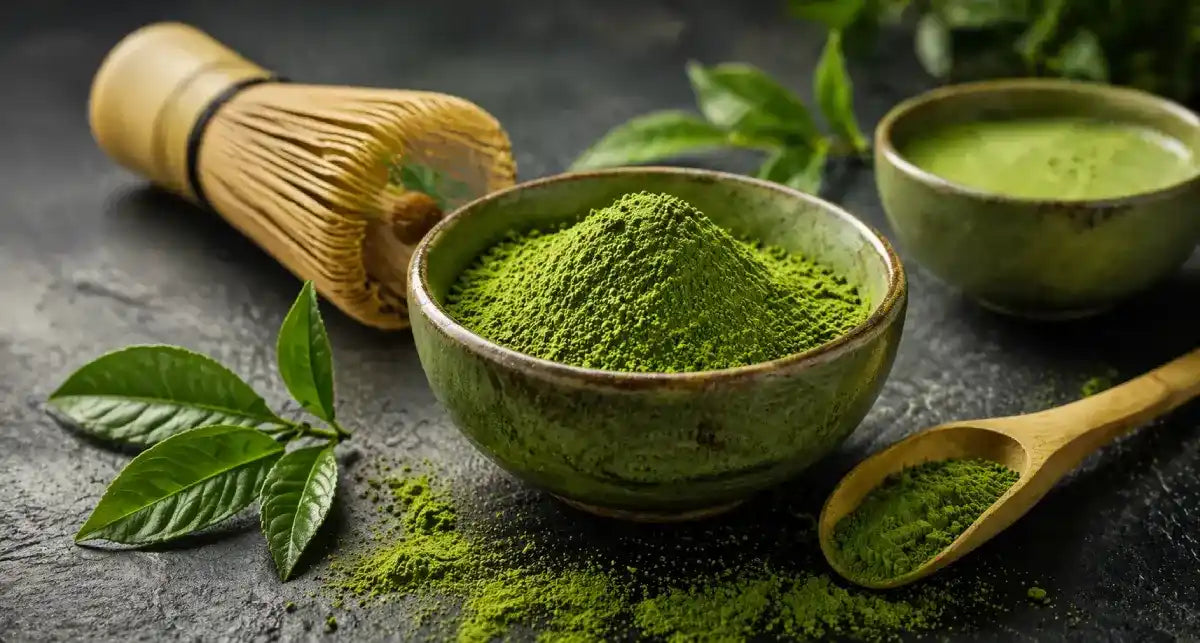
Drink a cup of matcha 30-45 minutes before you begin. This gives the caffeine-L-theanine combination time to activate fully. A traditional preparation using a good quality matcha powder from Bree Matcha, matcha whisk and matcha tea bowl can help create a smooth and frothy cup every time.
During Long Training Sessions
Iced matcha is an excellent mid-session drink for long endurance training or extended competitions. It can support hydration when consumed with water, and keeps the mind clear without overloading the system.
Post-Workout Recovery
Pair your matcha with a balanced recovery meal or prepare a matcha smoothie. The antioxidants work alongside the protein and carbohydrates your muscles need to make recovery a little faster and a little kinder.
Easy Ways to Consume Matcha
- Warm traditional matcha tea
- Iced matcha latte
- Matcha smoothies or shakes
- Matcha mixed in energy balls
- Flavoured matcha blends for variety.
Conclusion
Athletic performance is broadly built on consistency. A body that is fueled, a clear mind, and a recovery system that is efficient. It doesn't come from hacks or quick fixes, but smart and sustainable habits. Matcha is one of those habits.
So if you're wondering, does matcha boost sports performance? The answer is clear, and so is the experience. It gives steady energy, sharper focus, cleaner recovery, and no crash.
Matcha drinks are not a trend, but a better way to fuel. Ready to upgrade your performance naturally? Explore premium ceremonial blends and starter kits from matcha's range of everyday blends, plus more. You can pick out something that fits your performance routine best.
Popular Searches
Matcha whisker | Matcha Kit |ceremonial grade matcha | strawberry matcha | Ceremonial Matcha Set | Lemongrass matcha powder
Popular Blogs
Should You Drink Matcha on an Empty Stomach? | Alternatives To A Bamboo Whisk | Matcha Benefits For Women | Best Way To Drink Matcha | Matcha Vs Chai| Matcha For Beginners | Matcha Date Latte | Matcha Mousse | How Much Caffeine In Matcha




Share:
Holiday Matcha Treats: Festive Recipes for Any Celebration
Why Is Matcha Bitter? Understanding Matcha Taste & Flavor