
Key Takeaways
- You can make a smooth matcha at home without owning a traditional chasen or matcha whisk.
- Whisking matters because it breaks clumps, froths the matcha, balances the bitterness, and brings out its umami flavor.
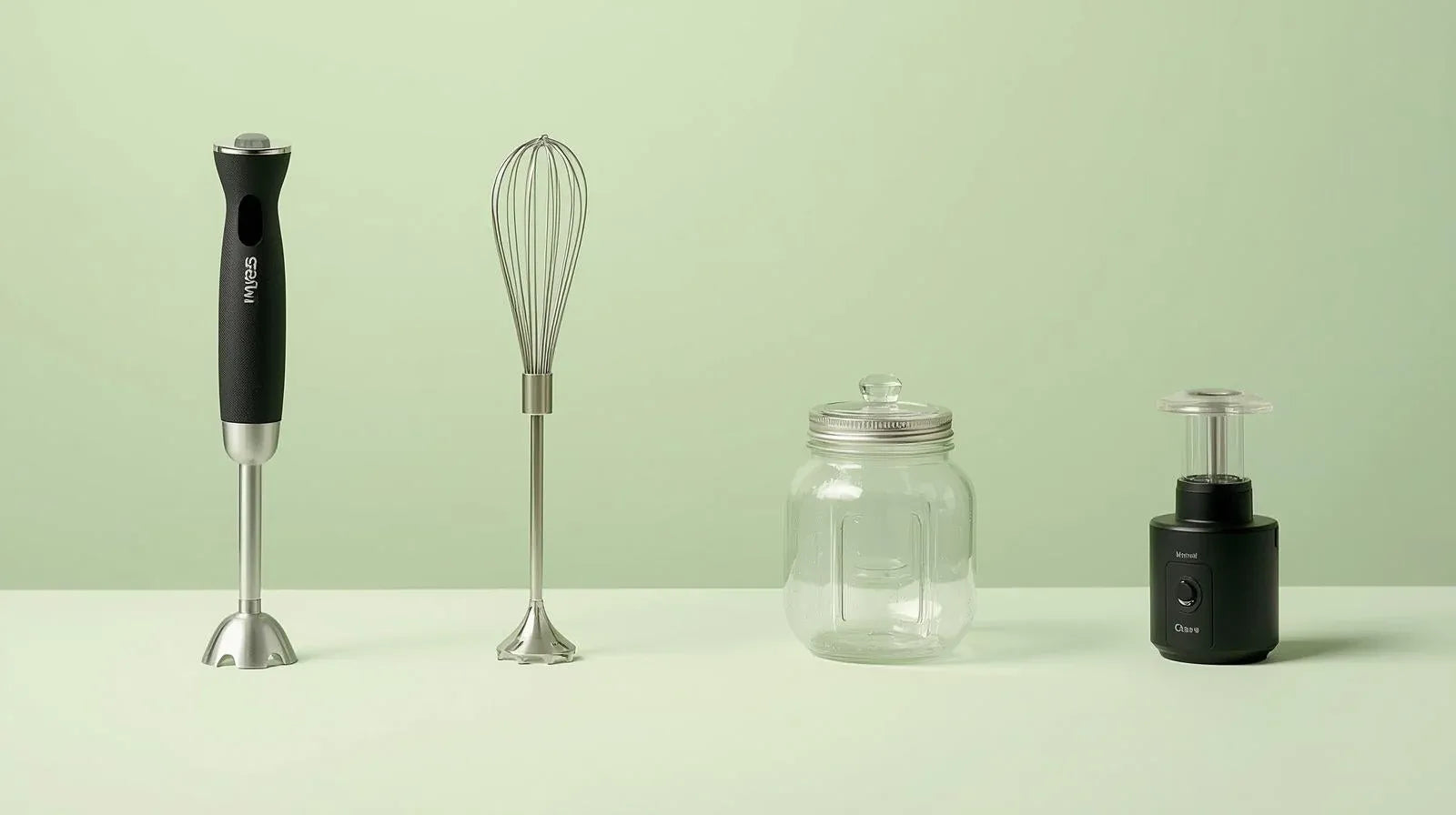
- Simple tools like a jar with a lid, an electric milk frother, a blender, or even a fork can be a matcha bamboo whisk alternative.
- Once you understand the technique, you can upgrade to a proper matcha tea bamboo whisk.
In This Article
Why Do We Whisk in the First Place
How to Make Matcha Without a Whisk
Best Matcha Whisk Alternatives for Smooth and Frothy Matcha
Which Matcha Whisk Alternative Is the Best?
How to Prevent Lumps Without a Whisk?
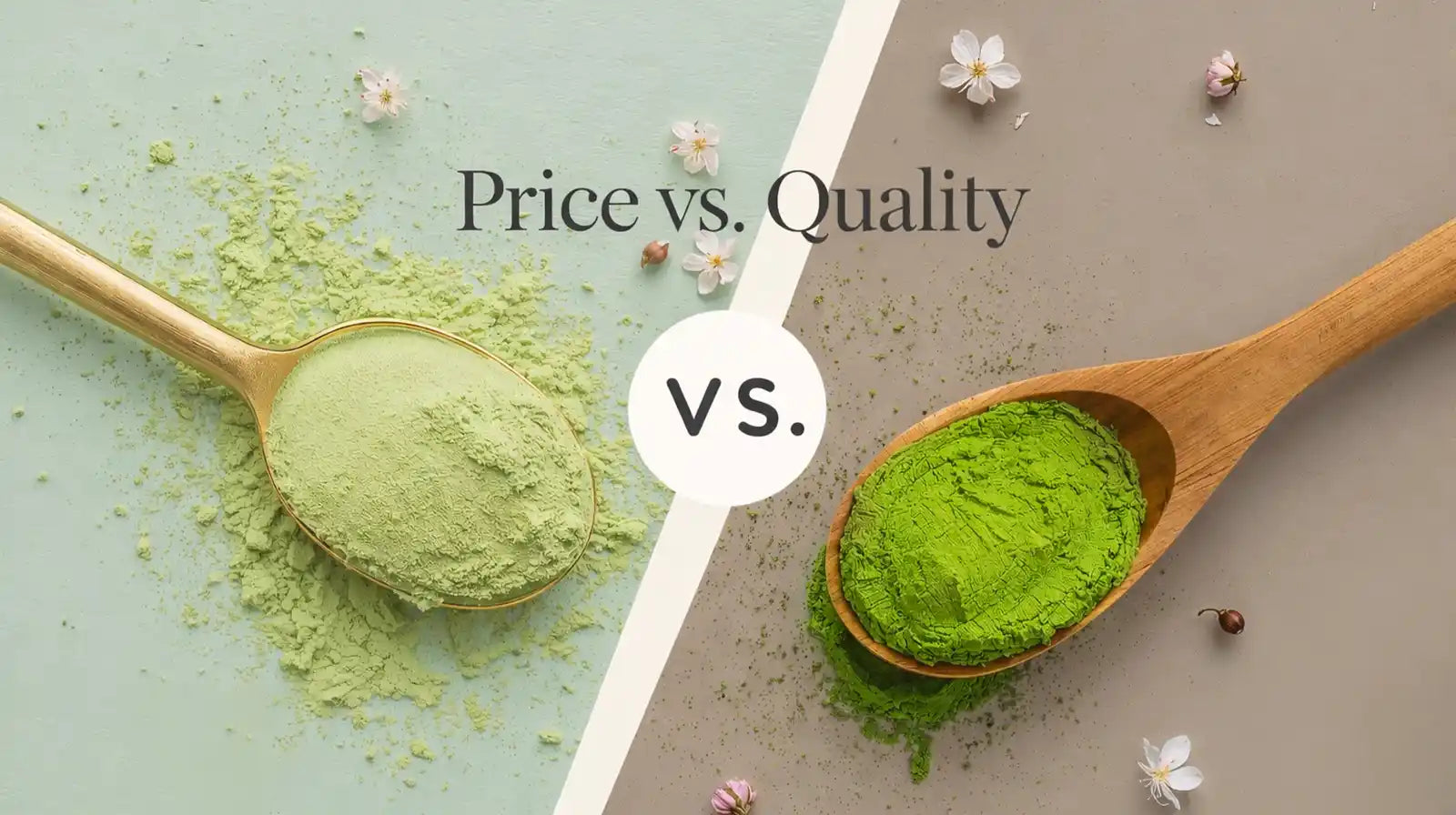
Does Matcha Quality Matter More Than the Tool?
A chasen is a traditional Japanese bamboo whisk used to make matcha tea. It’s usually hand-carved from a single piece of bamboo and split into dozens of fine prongs.
A bamboo whisk or chasen has just one job to do: mix matcha with hot water until it is smooth and frothy. The whole process looks calming and beautiful to watch.
But the real question is, can you really make matcha without a bamboo whisk? And, the answer is - yes, you absolutely can. Keep reading to find out how.
Why Do We Whisk in the First Place
Before diving into how to make matcha without a whisk, let’s learn that whisking matcha is important.
Whisking matcha is not just about the foam aesthetics.
- Matcha is a finely ground tea powder, and whisking helps break clumps so they blend smoothly with water.
- Whisking causes aeration, which simply means adding air to anything. This adds a light froth that smooths the mouthfeel.
- Proper aeration also removes bitterness and brings out the umami flavor of matcha
That’s the whole point behind why whisk matcha.
How to Make Matcha Without a Whisk
The rules here are simple. Always start with a good quality powder. If you’re using the best matcha powder in India, you are already ahead of the game.
- Start by sifting your matcha powder into a cup or a bowl
- Pour in a small amount of hot water, not boiling but steaming hot.
- Use a spoon or a fork to mix it into a smooth paste
This proves that making matcha is more about technique than tools.
Best Matcha Whisk Alternatives for Smooth and Frothy Matcha
Let’s talk about practical matcha whisk substitutes. Here are some tried and tested methods get a clump-free matcha:
1. The Shaker Bottle or Jar Method
This method gives the smoothest texture with the least amount of effort.
- Add matcha powder to a shaker bottle and pour over hot water, and mix with a fork or spoon to make a smooth paste.
- Now, pour in more water or milk of your choice
- Close the lid, and shake away for 20-30 seconds
Don’t have a shaker bottle? No worries, a jar with a tight lid also works surprisingly well. This method is the classic answer to make matcha without a whisk.

2. Electric Milk Frother
This is the closest matcha whisk alternative you’ll find.
- Add matcha powder to a cup or jar, and pour over hot water
- Mix with an electric milk frother for about 10 seconds. Don’t overdo it.
- Add your choice of milk or water and sip away.
An electric frother creates quick foam and breaks clumps more efficiently. It's especially useful if you drink matcha lattes.
Strawberry matcha tea works beautifully here.

3. Hand Blender
A hand blender works well for blended matcha recipes, but it might be a hassle for a single cup.
It does the job well if you’re making matcha smoothies. Just keep the blending time short.

4. Fork
Now, a fork may not be the most elegant tool, but it does the job.
Use zig-zag motion instead of stirring in circles. This helps break the clumps while mimicking whisking action.
If you’re using everyday Japanese matcha tea, this method is more than enough for a good cup of morning matcha.

Which Matcha Whisk Alternative Is the Best?
Honestly, this depends on what you’re making. For a simple cup of matcha, an electric milk frother or the jar with lid method works perfectly well. Both break up the clumps and give you a smooth, drinkable cup without much effort.
If you’re making large batches or blending matcha in smoothies, a blender makes more sense and saves time.
And when you have nothing else at hand, the humble fork comes to the rescue. It’s not the fanciest matcha whisk alternative, but with little patience, it gets the job done.
How to Prevent Lumps Without a Whisk?
Clumps are the major complaint when people prepare matcha without a bamboo whisk.
Here’s how you can avoid them:
- Use a good-quality matcha powder
- Always sift your matcha
- Use a small amount of water to make a clump-free paste
Also, the shape of the bowl matters; use a slightly wider ceramic matcha bowl. It gives you more surface area to mix, even with basic tools like a fork.
Does Matcha Quality Matter More Than the Tool?
Even the best matcha tea bamboo whisk can’t save your cup of matcha if your matcha is of low quality.
A high-grade matcha powder dissolves easily, tastes smoother, and delivers better health benefits.
Bree Matcha’s ceremonial grade matcha is finer, fresher, and easier to mix. For daily drinking, try out our organic signature matcha. Every Bree Matcha tea powder is crafted to be:
- Vibrant green color, a sign of freshness.
- Smooth taste without bitterness.
- Easy blending, even without a whisk.
- Rich in antioxidants to support wellness.
Final Thoughts
While a chasen or the bamboo whisk is a beautiful part of Japanese tea culture, it's not essential for enjoying a simple and satisfying daily cup of matcha.
With the right technique and a little patience, you can brew yourself a cafe-style matcha latte at home. Start with what you have. Once you know the technique, you can always upgrade your tools.
A good match is more than the tools you use to make it.
Frequently Asked Questions
1. Can you make matcha without a bamboo whisk?
Yes, you can use a frother, a jar with a lid, a fork, or a blender. A bamboo whisk is used traditionally, but it’s not mandatory.
2. Does matcha taste different without a whisk?
Not really. Poor mixing can make matcha taste different. If the powder is well blended and clump-free, the flavor doesn't change.
3. Why does my matcha become clumpy?
Matcha can become clumpy if the matcha powder itself is of low quality or if it has absorbed moisture. Lack of sifting can also result in a clumpy matcha. Sifting the powder and starting with a small amount of water to make a paste helps.
4. What is the best substitute for a matcha whisk?
An electric milk frother is the best substitute for a matcha bamboo whisk. It breaks up clumps and creates a light foam with minimal effort.
5. How to make matcha foam without the whisk?
Use a milk frother or shake matcha vigorously in a jar with a tight lid. Both add air into the drink, which creates the foam.
Popular Searches
Matcha Kits | Flavoured Matcha | Best Selling Matcha Powder | Everyday Matcha Mini Kit | Ceremonial Matcha Mini Kit | Signature Matcha Mini Kit |
Popular Blogs
Best Matcha Drinks for T20 World Cup | Matcha Mask for Instant Glow | Different Grades of Matcha | How Much Caffeine is in Matcha | Does Matcha Green Tea Help with Weight Loss | What are some alternatives to a bamboo whisk | Strawberry Matcha Latte Recipe






Share:
Why Matcha is the Perfect Drink for Navratri
Different Grades of Matcha Explained: How To Choose the Right One