
Key Takeaways
- Ceremonial grade matcha is best for pure tea drinking because of its smooth and delicate flavor.
- Culinary grade matcha works better in recipes due to its bold and stronger taste.
- The main difference lies in taste, quality, texture, and intended use.
- Choosing the right matcha depends on whether you want it for drinking or cooking.
In This Article
What Is Ceremonial Grade Matcha?
What Is Culinary Grade Matcha?
Ceremonial Grade Matcha vs Culinary Grade Matcha
Do Ceremonial and Culinary Matcha Offer the Same Health Benefits?
Best Uses of Ceremonial and Culinary Matcha
Recently, matcha has become very popular throughout the world. Young people enjoy its vibrant color, unique earthy flavor, and multiple health benefits. Traditionally, matcha was used during tea ceremonies in Japan. But now this product is also used to make smoothies and desserts. However, matcha comes in different kinds and not all matcha is the same. If you have ever shopped for matcha powder, you have likely come across two main kinds: ceremonial grade and culinary grade. Both come from the same green tea plant, but they differ in taste, texture, quality and purpose. Knowing which grade to buy makes a huge difference whether you want to enjoy a traditional cup of tea or create delicious matcha recipes.
What Is Ceremonial Grade Matcha?

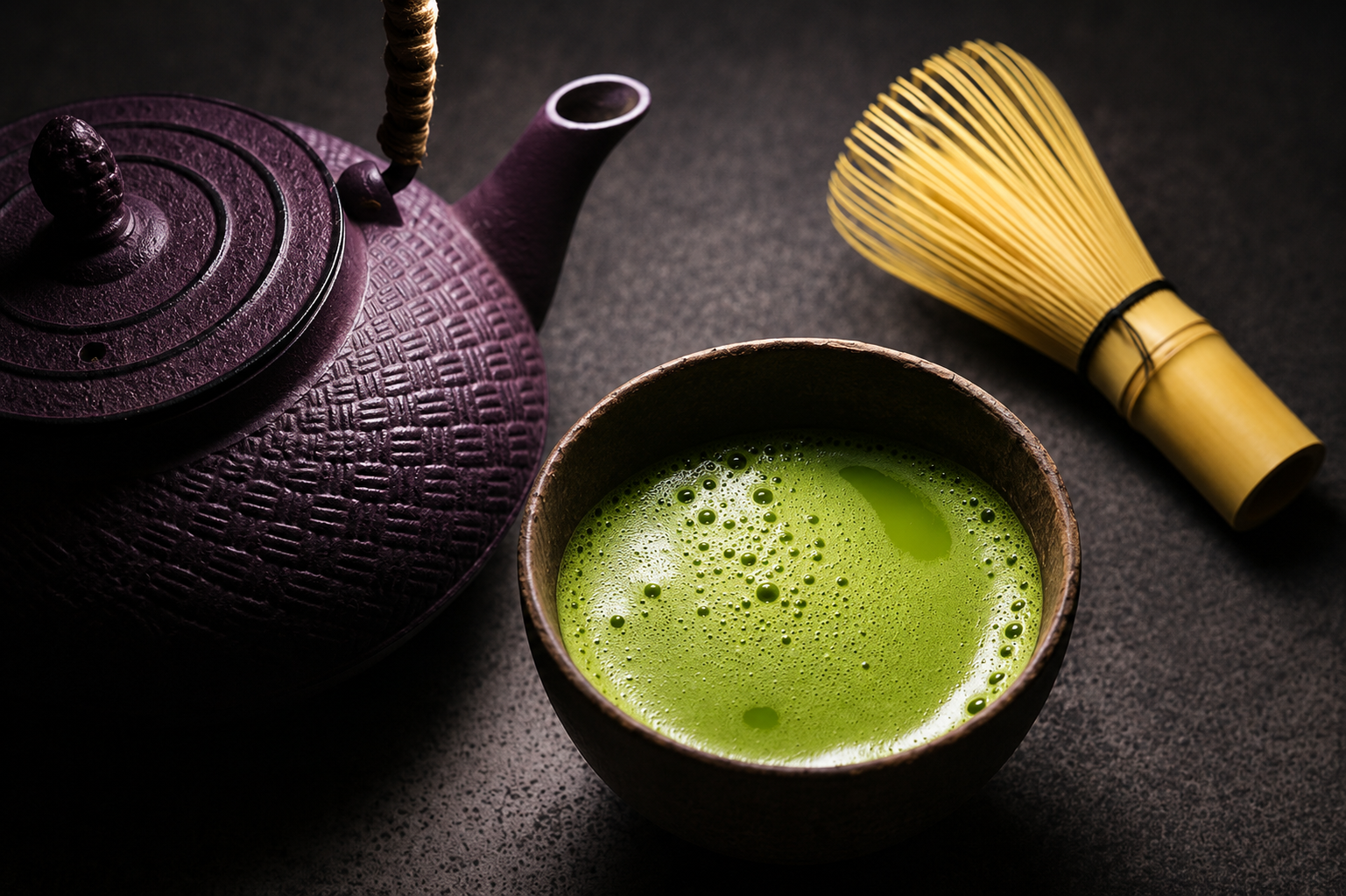
Ceremonial grade matcha is considered the highest quality of matcha available. It is traditionally made from the youngest tea leaves which are harvested during the first harvest season. These leaves are carefully shade-grown before the harvest, which increases their chlorophyll and amino acid levels, giving the tea its rich green color and naturally sweet flavor. After harvesting, the stems and veins are then removed, and the leaves are stone-ground into an ultra-fine powder. Ceremonial grade matcha is specifically made to be consumed as tea, which is matcha mixed with hot water only.For the best traditional preparation, pairing it with a matcha whisker, matcha bowl, or a complete ceremonial matcha set can improve texture and flavor.
Characteristics of ceremonial grade matcha
- Bright, vibrant green color
- Smooth and silky texture
- Umami-rich flavor
- Best enjoyed without milk or sweeteners
Ceremonial grade matcha is usually more expensive than culinary grade matcha due to its premium quality and labor-intensive production.
What Is Culinary Grade Matcha?
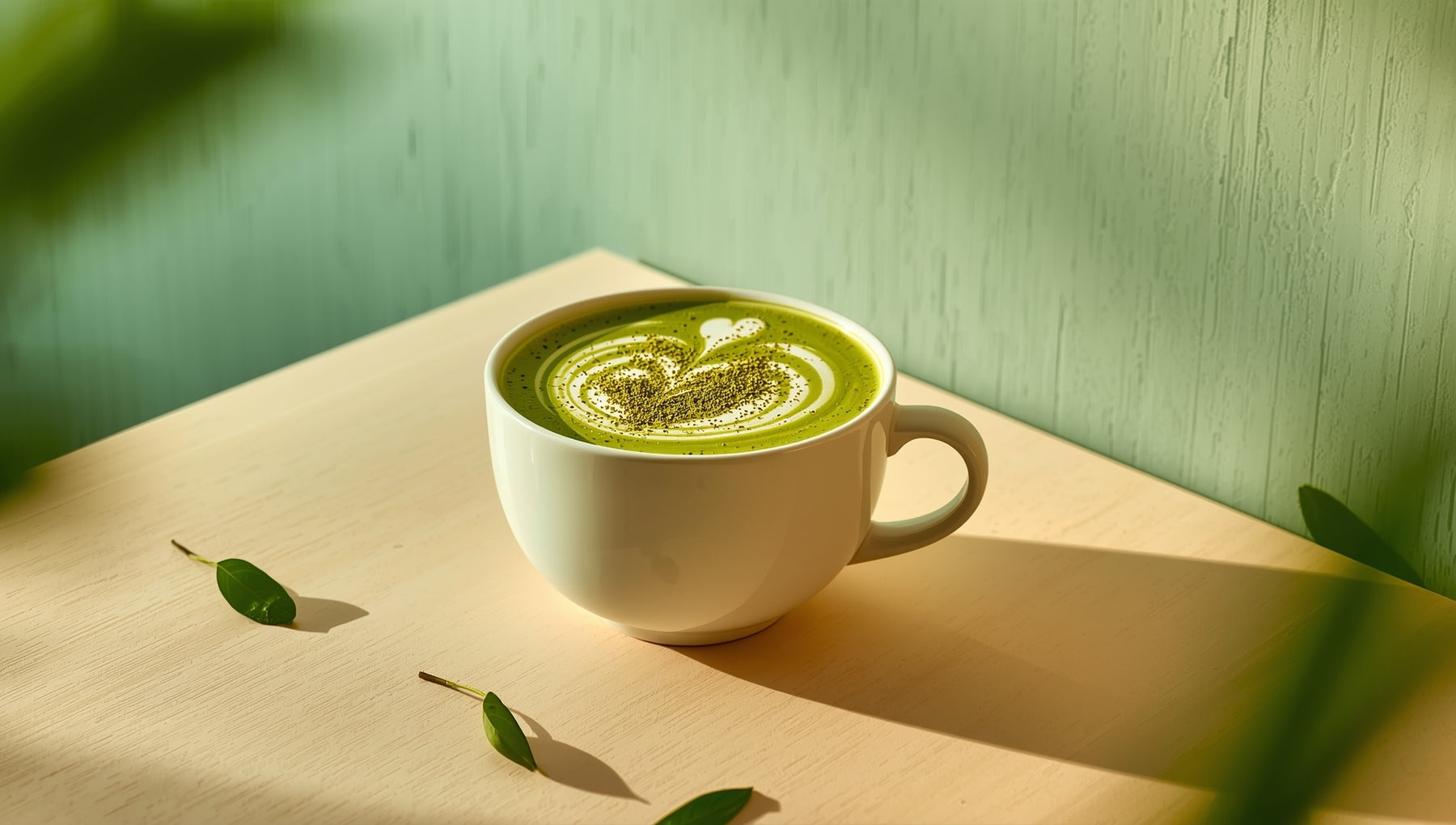
Culinary grade matcha is made for cooking, baking, and blending into drinks. It is made using slightly older leaves and later harvests. The flavor is more robust which makes it stand out when mixed with other ingredients. Culinary matcha is best for cooking and baking recipes like matcha lattes, smoothies, cakes, and ice cream. Since it has a bolder taste, the matcha flavor doesn’t get lost among other ingredients like milk, sugar or flour.
Characteristics of Culinary Grade Matcha
- Darker green or olive-green color
- Stronger, slightly bitter flavor
- Less delicate than ceremonial grade
- Suitable for recipes and flavored beverages
Ceremonial Grade Matcha vs Culinary Grade Matcha
If you’ve ever shopped for matcha, you’ve probably come across ceremonial grade and culinary grade. While they may look alike. Still, their features and purpose are distinct. Ceremonial matcha is usually higher in quality and meant to be enjoyed as tea, while culinary matcha has a stronger flavor that works better in recipes, lattes, and baking. Here’s a simple breakdown of how they compare:
|
Feature |
Ceremonial Grade Matcha |
Culinary Grade Matcha |
|
Taste |
Smooth, delicate, and slightly sweet with a rich umami flavor. It’s pleasant enough to drink with just water. |
Stronger, earthier, and slightly bitter, making it ideal for mixing with milk, sugar, or other ingredients. |
|
Color |
Bright, vibrant green because it comes from younger, carefully grown leaves. |
Usually a duller green or yellow-green shade. |
|
Texture |
Very finely ground with a soft, silky texture. |
Slightly coarser compared to ceremonial grade. |
|
Price |
More expensive due to premium-quality leaves and a more careful production process. |
More affordable and practical for everyday use. |
|
Best Use |
Perfect for traditional tea drinking or enjoying matcha on its own. |
Best for smoothies, lattes, desserts, baking, and cooking. |
In simple terms, ceremonial matcha is best when you want to drink and enjoy pure matcha, while culinary matcha is better when you need a bold flavor for recipes and beverages.
Do Ceremonial and Culinary Matcha Offer the Same Health Benefits?
Both ceremonial and culinary grade matcha provide health benefits due to a high antioxidant content, catechins, chlorophyll, and L-theanine contained in them. These nutrients are associated with several health benefits, such as:
- Supporting focus and calm energy
- Providing antioxidants
- Supporting metabolism
- Offering a natural caffeine boost
- Promoting overall wellness
However, ceremonial grade matcha may contain slightly higher levels of amino acids and antioxidants because it uses younger, higher-quality leaves. The difference between ceremonial vs culinary grade matcha health benefits is almost negligible, especially if culinary grade matcha is sourced from high-quality tea plants.
The biggest factor that determines health benefits is how you consume it. Drinking ceremonial matcha plain preserves its nutrients, whereas sugary recipes may reduce some of the health benefits of culinary matcha preparations.
Best Uses of Ceremonial and Culinary Matcha
Choosing the right type of matcha depends on how you plan to use it. Some ceremonial matcha uses are:
- Traditional matcha tea
- Matcha shots
- Tea ceremonies
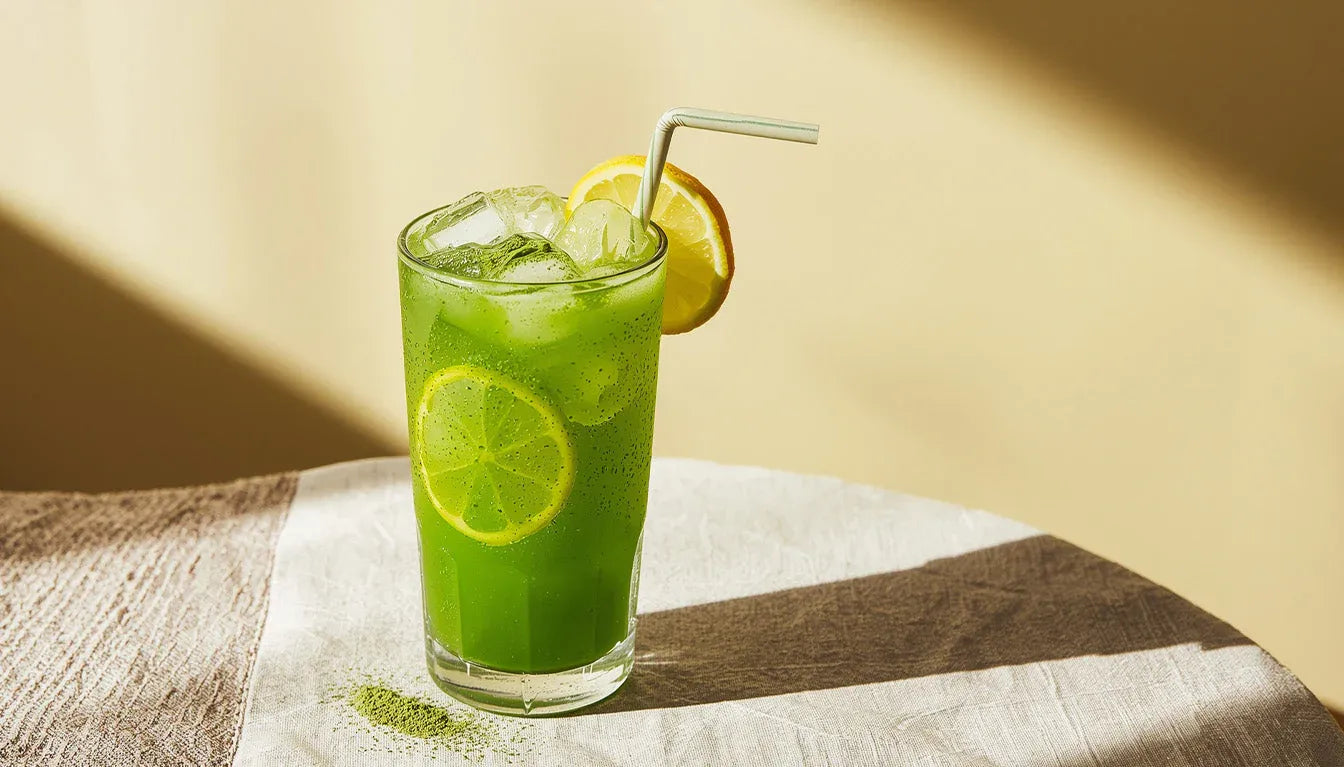
- Premium iced matcha
Some culinary matcha uses are:
- Matcha lattes
- Smoothies
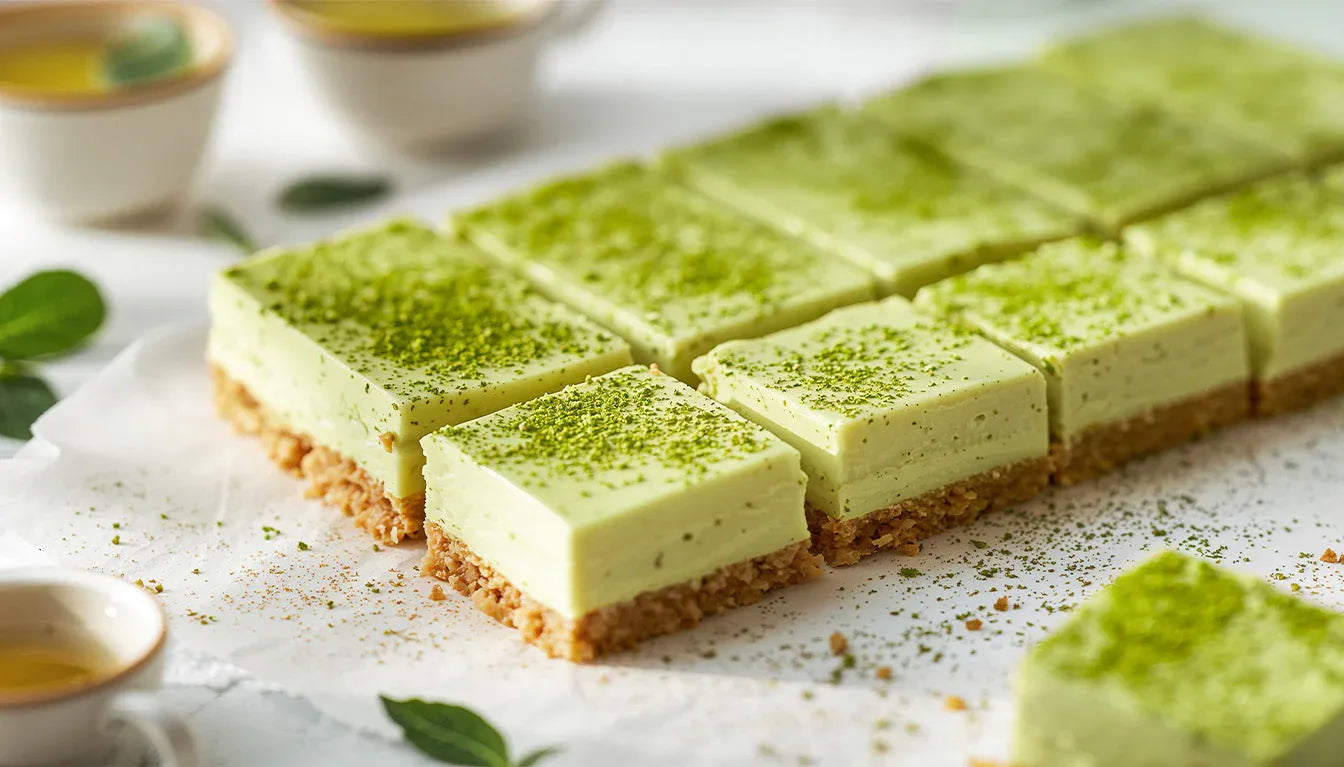
- Baking recipes
- Ice cream and desserts
- Protein shakes
Conclusion
Both ceremonial grade matcha and culinary grade matcha offer unique benefits, but the right choice depends on how you plan to use them. If you prefer a smooth, delicate flavor for traditional tea or pure matcha drinks, ceremonial grade matcha is the ideal option. On the other hand, if you want a stronger, bolder flavor for lattes, smoothies, baking, or desserts, culinary grade matcha is a more practical and budget-friendly choice. Understanding the difference between the two helps you select the best matcha for your taste, purpose, and daily routine.
Whether you prefer ceremonial grade or culinary grade matcha, having the right tools like a matcha kit, matcha bowl, & high quality matcha powder can improve your overall matcha experience.
Frequently Asked Questions
Why is ceremonial grade matcha more expensive?
Ceremonial grade matcha is made from the youngest and highest-quality tea leaves, usually from the first harvest. The careful shading, hand selection, de-stemming, and stone-grinding process requires more labor and time, which increases the production costs.
Does culinary matcha contain less caffeine than ceremonial matcha?
Yes, ceremonial grade may contain slightly more caffeine and L-theanine due to the younger leaves used in production.
Does matcha color indicate whether it’s ceremonial or culinary grade?
Color can be a helpful indicator but it is not the only factor. Ceremonial grade matcha is usually bright green, while culinary grade tends to appear darker or more muted. However, quality can vary between brands, so color alone does not guarantee the grade.
Is ceremonial grade matcha healthier than culinary grade?
Ceremonial grade matcha may contain slightly more nutrients and antioxidants because it uses younger leaves.
Popular Searches
Matcha Whisker | Strawberry Matcha | Ceremonial Matcha Set | Lemongrass Matcha Powder |Signature Matcha Powder | Everyday Matcha Tea
Popular Blogs
Alternatives To A Bamboo Whisk | Matcha Benefits For Women | Best Way To Drink Matcha | Matcha Vs Chai| Matcha For Beginners | Matcha Date Latte | Matcha Mousse | How Much Caffeine in Matcha







Share:
Lotus Biscoff Matcha Latte