

Key Takeaways
- We will understand the correlation between matcha tea and iron.
- Answer all your queries on “how does matcha affect iron absorption in our bodies”.
- Share simple techniques allowing you to enjoy your cup without matcha affecting your iron.
In This Article
Why Iron Absorption Matters for Overall Wellness?
What in Matcha Might Affect Iron Absorption
Simple Tips to Enjoy Matcha Without Affecting Iron
Who Should Be Careful About Matcha Affecting Iron?
Lately, everyone has been talking about matcha powder - its clean energy, calm focus and its remarkably noticeable improvements in their skin, immune system, and overall health. And you may have heard how matcha may interact with dietary iron and wondered what that meant. To end the mystery, how about we give you an overview of the correlation between matcha and iron?
So read on and join us in the world of matcha green tea.
Why Iron Absorption Matters for Overall Wellness?
Before we dive into iron in matcha or “does matcha affect iron absorption”, let us first understand the importance of iron absorption for overall wellness.
Iron is extremely vital for our bodies. From helping the body produce haemoglobin to the brain focus and the body function properly, iron does it all. The moment this super life-fuel mineral is deficient in our body, we experience fatigue, dizziness, inability to focus and other symptoms. Thus, this power mineral is extremely important for mind and body balance.
What in Matcha Might Affect Iron Absorption?
Let us now move on to the next element and understand the science behind “what does matcha do to iron minerals?”
Matcha green tea made of Camellia sinensis leaves, and sourced from Kagoshima, Japan, is rich in polyphenols - catechins, EGCG, and tannins. These rich antioxidants contribute to the all-around vitality of the body. These compounds can bind with non-heme iron, found in plant-based iron sources and influence the absorption in the body.
Before you jump to any conclusion, is matcha bad for iron?
Let us clearly state that it does not block iron absorption. Like other teas, it merely temporarily interferes with the absorption. You can continue to enjoy drinking your cup of traditional matcha tea or latte and experience its health benefits, while maintaining balanced iron levels by making some simple adjustments.
For best results, start with certified organic Japanese matcha, like Bree Matcha. Meticulously made from shade-grown and stone-ground leaves. Explore our range of high-grade, best selling matcha powder to enjoy the cleanest, balanced energy beverage with a naturally sweet flavour.
Simple Tips to Enjoy Matcha Without Affecting Iron
Now, let’s take a step in discovering how you can enjoy your cuppa without being preoccupied with thoughts related to iron in matcha or matcha iron absorption interference.
- Have your matcha between your meals instead of with your meals as an accompaniment. Avoid drinking it with plant-based iron-rich meals. - also advocated in the survey document.
- If you are on iron supplements, maintain a gap of 1 to 2 hours between consuming them, allowing your body to process the iron. This would give enough time to the body to absorb the iron minerals before letting the tannins of matcha come into your body.
- If you are a vegetarian and depend solely on plant-based iron sources, add some sources of vitamin C to your diet. A slice of orange and a handful of berries will do the trick. These will help convert non-heme iron into a form that can be absorbed easily. For non-vegetarian eaters, the impact of match on iron is very low.
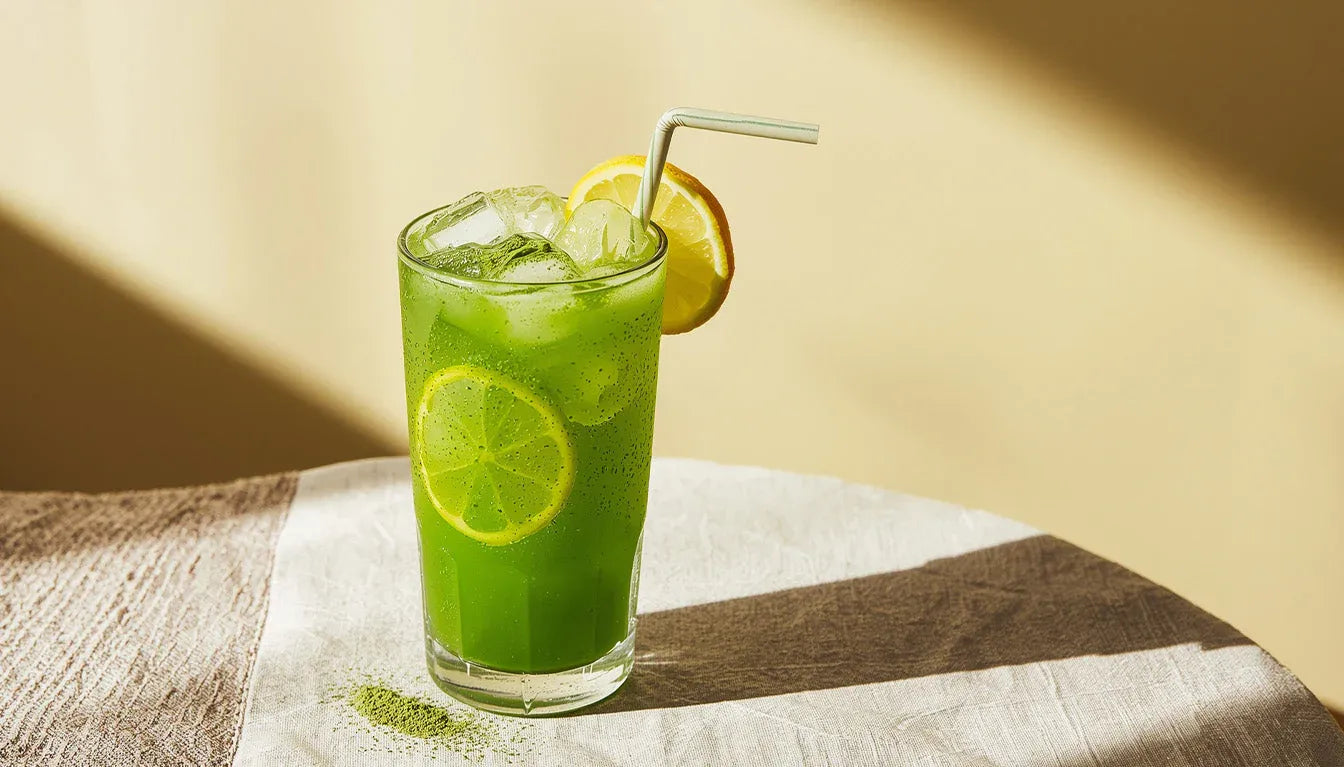
- Add a splash of lemon to your matcha; it will not only taste delicious, but will give your body an additional dose of vitamin C, which it always requires.
- Drink plenty of water and add iron-rich fresh juices to your diet.
Who Should Be Careful About Matcha Affecting Iron?
If you happen to be pregnant, have a history of iron deficiency or are on a strict vegetarian diet, it is best to maintain a gap between your meals. For the rest, indulge in your brew, savouring every sip. But, do not forget to try adding some lemon for freshness, infused with vitamin C.
These small changes are easy to make and will allow you to enjoy your daily matcha ritual with absolute peace of mind.
Conclusion
To wrap things up, matcha does not cause any iron deficiency on its own in healthy people. It is all about maintaining proper timing and not clubbing your drink with meals. So go ahead and enjoy matcha’s vibrant colour, natural caffeine, and powerful antioxidants like EGCG. Be it in lattes, smoothies, or the traditional cup of tea, without any hesitation.
From Mumbai to Bangalore, Delhi to Pune, Bree Matcha is the go-to choice for wellness seekers, fitness enthusiasts, busy professionals, and anyone who wants to feel good from the inside out.
Besides our new matcha arrivals, you can also check out our matcha green tea gift set and other amazing things on Bree.
Frequently Asked Question
1. Does matcha tea affect iron?
Yes. Like other teas, matcha can interfere with the absorption of non-heme iron (the type found in plant-based foods) because of its natural tannins and antioxidants.
2. Does matcha cause iron deficiency?
Absolutely not. Matcha cannot cause any iron deficiency. Drinking it wisely in moderation, 1-2 cups a day, only between meals, and not combining it with iron-rich meals, will not have any significant effect.
3. Does matcha block iron absorption and cause hair loss?
Drinking matcha does not cause hair loss. It may only temporarily reduce the absorption of non-heme iron (the type found in plant-based foods) because of its natural tannins and antioxidants. However, including vitamin C into your diet in the form of citrus fruits, berries and drinking lots of water can eliminate the impact.
4. Should matcha be consumed with or between meals for better iron balance?
Only consume matcha between meals. It is best not to combine it with iron-rich meals.
6. Is matcha better than coffee when it comes to iron absorption?
Definitely, Matcha is better than coffee when it comes to iron absorption. This is because it has a milder inhibitory effect and interferes less with iron when consumed away from meals.
7. Can matcha be part of an iron-conscious diet?
Absolutely. Matcha can be part of an iron-conscious diet. One must drink it in moderation, away from meals and not drink it alongside iron-rich meals.
8. Can I drink matcha every day without worrying about iron levels?
Absolutely. You can enjoy your flavourful cup of macha without stressing over your iron levels.
9. Is matcha rich in iron?
Matcha does contain small amounts of iron. However, it cannot be considered a rich or reliable source of iron to meet our daily dietary needs.
Popular Searches
Signature matcha | Matcha Bowl | Everyday Matcha Mini Gift Set | Signature Matcha Gift Kit | Flavoured Matcha
Popular Blogs
What does matcha taste like | Benefits of drinking matcha in the morning | Should you drink matcha on an empty stomach | Matcha effects on hormonal balance especially for women | Does matcha help loose weight







Share:
Best Way To Store Matcha
How Much Caffeine Is in Matcha Green Tea Powder?