
Key Takeaways
- Good matcha is smooth, creamy, and naturally sweet.
- The matcha taste profile includes umami, fresh vegetal notes, and a gentle sweetness from L-theanine.
- Bitterness is always a sign of low-grade matcha powder or wrong preparation.
- Bree Matcha is sourced directly from Kagoshima, Japan, for a consistently smooth and rich flavor.
In This Article
Matcha Taste Profile Explained in Simple Terms
Why Matcha Tastes Different from Regular Green Tea
What Good Quality Matcha Should Taste Like
Why Some Matcha Tea Tastes Bitter
How Matcha Taste Changes Based on Preparation
Matcha is everywhere right now. Cafe menus, wellness feeds, morning rituals, and more. But if you've ever taken a sip and thought, “this is not what I expected,” you are not the only one. Some people describe matcha as smooth and almost meditative. Others use words like grassy, earthy, or even bitter. The truth is that all of these experiences are real. And, the taste usually boils down to one thing: the quality of matcha in your cup.
So, what does matcha taste like when it is done right? And why does the same thing taste completely different across brands?
Let’s break down the complete matcha flavor profile for you so that you can figure out the reasons that your matcha cup might have gone wrong. Once you're through with this blog, you are also going to be able to find quality matcha that genuinely tastes as good as it looks.
Matcha Taste Profile Explained in Simple Terms

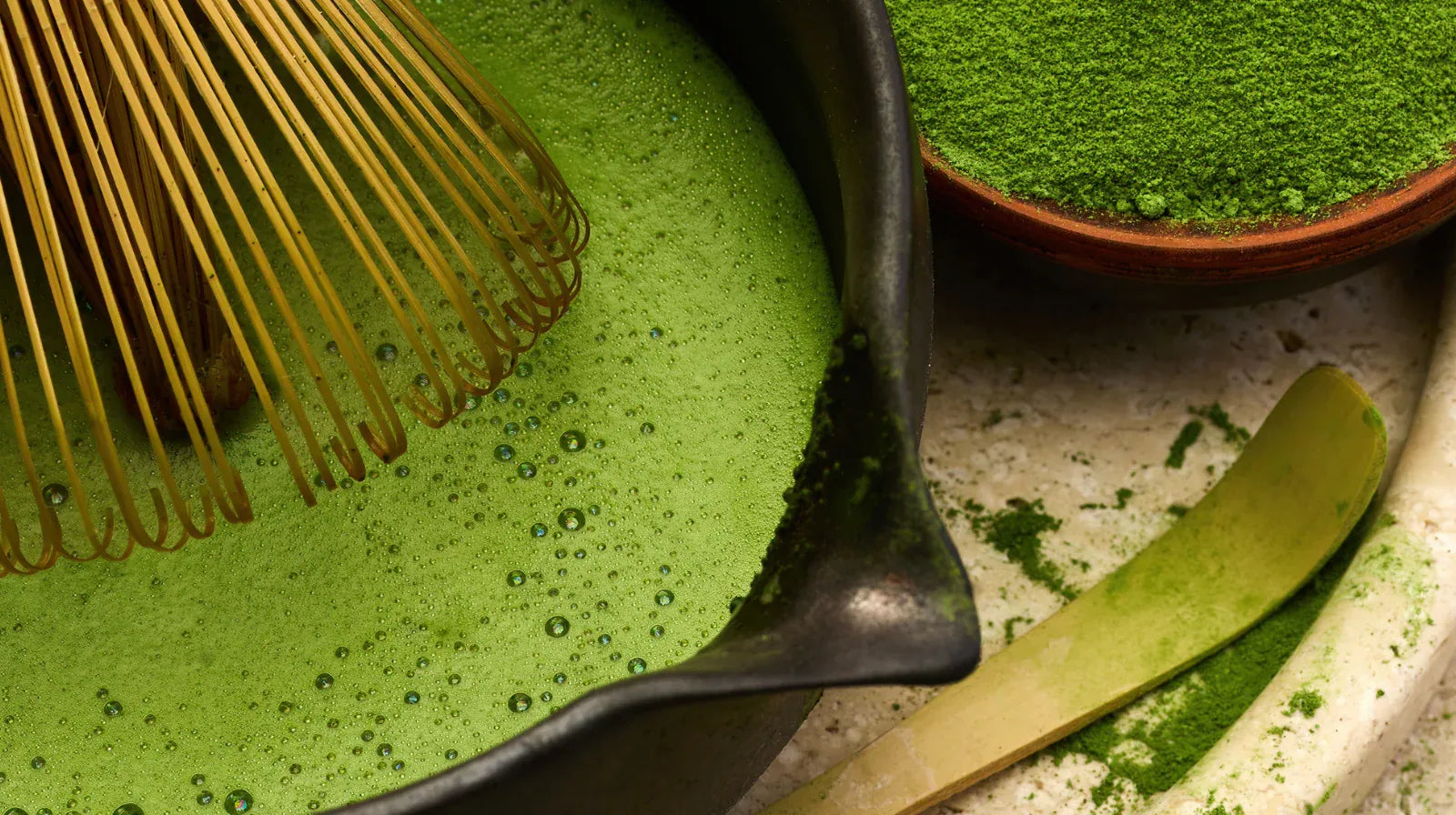
Just imagine that there's a cup of ceremonial matcha powder whisked to a fine froth placed right in front of you. The colour is vivid, jewel-like green, and you take a sip. What hits you first is not bitterness, but something richer. A flavour that doesn’t have a Western name, but the Japanese call it umami. It is the fifth taste after sweet, salty, sour, and bitter. Savoury, but not heavy, deep, but not sharp. It lingers pleasantly, and you will want to take another sip before the first one is even finished.
This is exactly what good matcha tastes like. We are going to break down the full matcha flavour profile for your reference.
- Umami
The soul of the cup. Authentic Japanese matcha has a rich, savory depth that feels smooth and satisfying. This is the note that makes matcha genuinely irresistible once you have tasted it properly.
- Fresh, clean taste
Not grassy but clean, green, and alive.
- Creaminess
Premium matcha, when whisked correctly with a matcha whisk, becomes silky and frothy. The texture is part of the experience as it is smooth on the palate and never chalky or gritty.
- Natural sweetness
Not added sugar, but this sweetness comes from L-theanine, an amino acid that develops in shade-grown leaves. It softens the vegetal notes and gives the whole cup a gentle, rounded finish.
If all four of these are present in your cup, you have a good cup of matcha.
Why Matcha Tastes Different from Regular Green Tea
Both come from the same plant, which is known as Camellia sinensis, but matcha and green tea are grown, processed, and consumed in very different ways. This changes everything about their flavor.
|
Aspect |
Matcha Tea Taste |
Regular Green Tea Taste |
|
Processing Method |
Stone-ground into a fine powder; consumed entirely |
Leaves are steeped and then discarded |
|
Consumption |
With signature matcha or ceremonial matcha powder, you drink the whole leaf, making the matcha tea taste richer and fuller |
Only infused water is consumed, resulting in a lighter taste |
|
Growing Method |
Shade-grown to boost chlorophyll and L-theanine |
Grown in direct sunlight |
|
Flavor Depth |
Complex matcha flavor profile with umami, sweetness, and creaminess |
Mild, light, sometimes slightly bitter |
|
Texture |
Smooth, frothy, almost creamy mouthfeel |
Thin, clear, and watery |
|
Sweetness |
Naturally sweet due to amino acids |
Minimal to no natural sweetness |
|
Bitterness |
Balanced and subtle in high-quality matcha |
Can be sharper or more noticeable |
|
Overall Experience |
Bold, layered, and immersive; exactly what good matcha tastes like |
Simple, refreshing, but less complex |
Why Some Matcha Tea Tastes Bitter

Bitterness is one of the most common complaints about matcha, but the thing is that it is almost never matcha's fault. It is usually one of these factors.
- Low-grade powder
Older leaves grown in full sun contain more tannins, which create that sharp, unpleasant bitterness. Cheap or low-quality matcha will skip the shade-growing process entirely.
- Poor sourcing
Authentic Japanese matcha from regions like Kagoshima follows traditional processing methods that preserve flavour. Many budget brands do not.
- Water that is too hot
This is the most common preparation mistake that can hamper the matcha taste profile. Boiling water burns the delicate compounds in matcha, releasing tannins and turning the cup bitter immediately. The idea is to keep the water at around 80°C.
Once the source and the preparation are fixed, the bitterness disappears almost entirely.
How Matcha Taste Changes Based on Preparation
Matcha tea's taste is highly sensitive to how it is prepared. The same powder can produce two very different cups depending on what you do with it.
- Water temperature
80°C is the sweet spot. Hotter than this, and bitterness takes over. Cooler, and the flavour falls flat.
- Sift first
Always sift your powder before whisking. It removes clumps and gives you a smoother, more even cup.
- Whisk properly
Use a matcha whisk in a brisk M or W motion until you get a fine froth on the surface. This is where the creamy texture comes alive.
- Taste it plain first
Before adding milk or a sweetener, sip it as it is. This is how you learn what your matcha actually tastes like and whether it is as good as it should be.
Conclusion
Matcha does not have to be bitter, grassy, or confusing. When it is sourced well, prepared correctly, and given the attention it deserves, the flavour is one of the most rewarding things that you can taste. If your current matcha does not taste like that, it may be time to upgrade. You can explore Bree Matcha's matcha combo to experience what a genuinely good cup of matcha tastes and feels like.
Frequently Asked Questions
1. Does matcha taste good?
Yes, high-quality matcha tastes smooth, slightly sweet, and rich with umami notes. If it tastes bitter, it may be due to poor quality or wrong preparation.
2. What is matcha flavour?
The matcha flavour profile includes umami, fresh vegetal notes, mild sweetness, and a creamy texture. Flavoured matcha, like strawberry matcha and lemongrass matcha, have their own respective flavours.
3. Why does matcha taste like grass?
Low-quality matcha or incorrect brewing can create a grassy or bitter taste.
4. Can matcha taste bad if prepared incorrectly?
Yes, if you use boiling water, do not whisk properly, or skip sifting, it can make your matcha taste flat or bitter.
5. Does matcha taste different based on origin?
Yes. Japanese matcha, especially from regions like Kagoshima, is known for its smooth, sweet, and more balanced flavour profile as compared to others.
Popular Searches
Matcha Tea | Matcha Whisker |Matcha Kit |Ceremonial Matcha Set |Matcha Tea Bowl |Best Matcha Tea Powder Online |Everyday Matcha |Signature Matcha Powder | Matcha Accessories
Popular Blogs
Should You Drink Matcha on an Empty Stomach? | Alternatives To A Bamboo Whisk | Matcha Benefits For Women | Best Way To Drink Matcha | Matcha Vs Chai| Matcha For Beginners | Matcha Date Latte | Matcha Mousse | How Much Caffeine In Matcha | Calories In Matcha







Share:
Matcha’s Effects On Hormonal Balance, Especially For Women
Is Matcha Good For Pre-Workout Energy?