

Usucha vs Koicha: The Modern Matcha Ritual Redefining Wellness & Luxury Living
What is Usucha and Koicha? Understanding the Basics
Why Usucha & Koicha Are Trending in Modern Wellness
Usucha: The Everyday Matcha Ritual
How to Make Usucha Matcha (Traditional Method)
Koicha: The Luxury Matcha Experience
Usucha vs Koicha: Key Differences
Choosing the Best Matcha in India
Beyond Matcha: Exploring Variations
Matcha is no longer just a traditional Japanese drink; it’s a global wellness phenomenon. From minimalist morning routines to luxury tea rituals, Matcha Green Tea is shaping how modern consumers approach mindfulness, energy, and self-care. But beyond the popular lattes and smoothies lies a deeper, more authentic experience: usucha vs koicha.
If you’ve been exploring the world of green matcha powder, you’ve likely come across these two styles. Understanding the difference between Japanese matcha tea, usucha matcha, and koicha can completely transform how you experience matcha, not just as a beverage, but as a ritual.
What is Usucha and Koicha? Understanding the Basics
To begin, let’s break down the meaning of usucha and its richer counterpart.
-
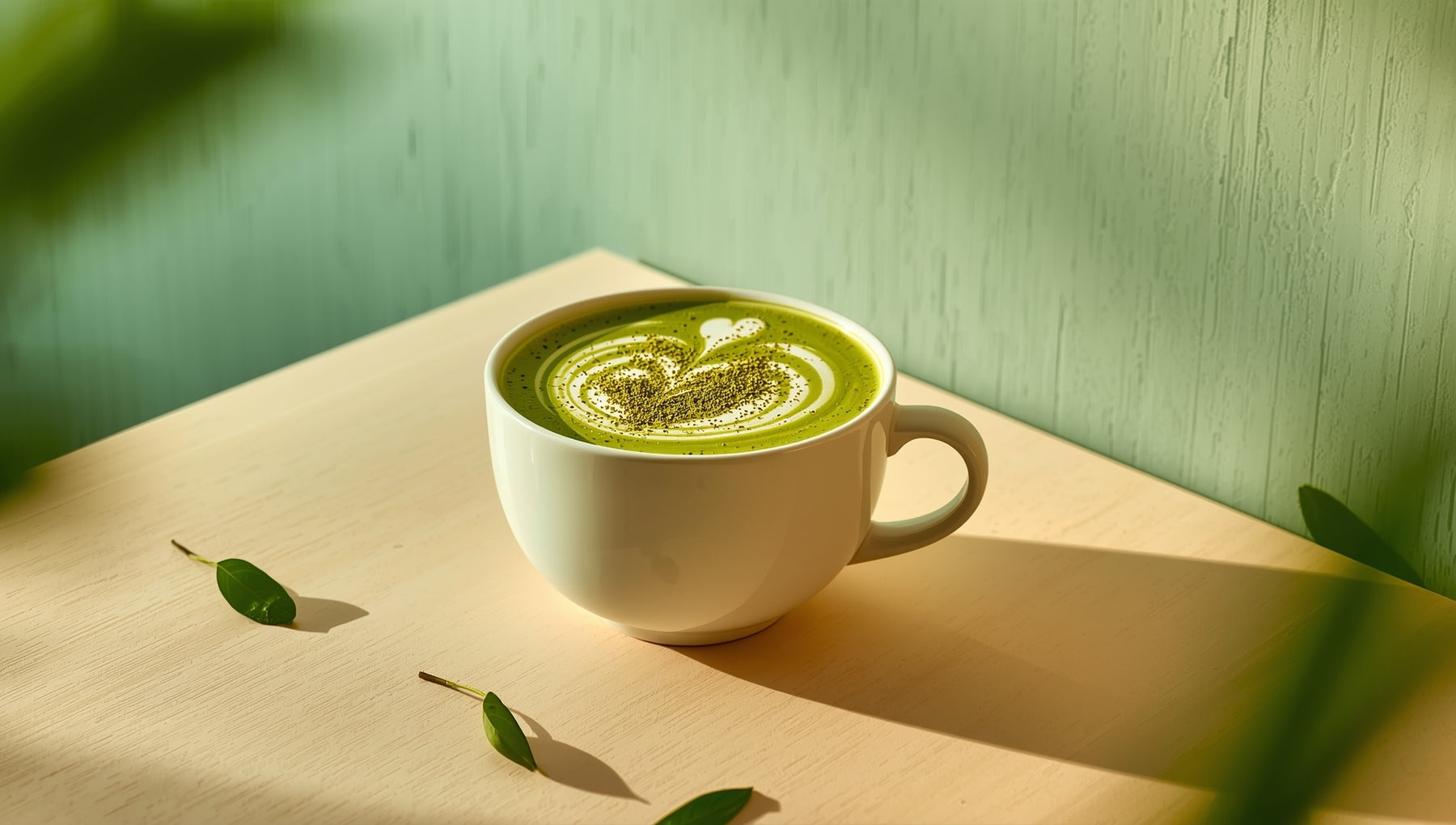
Usucha (薄茶) translates to “thin tea.” It’s light, smooth, and slightly frothy; perfect for daily consumption. If you’ve ever wondered “usucha adalah?” or “apa itu usucha?”, think of it as the approachable, everyday version of matcha.
-
Koicha (濃茶) means “thick tea.” It’s intensely rich and creamy, made with a higher amount of organic matcha. Traditionally served during Japanese tea ceremonies, koicha is considered the more premium, ceremonial form.
The debate of koicha vs usucha matcha isn’t about which is better; it’s about experience. One is refreshing and versatile, while the other is indulgent and luxurious.
Why Usucha & Koicha Are Trending in Modern Wellness
Today’s consumers are moving beyond quick caffeine fixes. The rise of slow living, mindful consumption, and premium experiences has made matcha powder in India a fast-growing category.
Here’s why usucha vs koicha is trending:
-
Mindful Rituals: Preparing matcha using a matcha whisker (chasen) encourages slowing down.
-
Clean Energy: Matcha provides sustained energy without crashes.
-
Aesthetic Appeal: From iced usucha to thick koicha bowls, matcha is visually soothing and social media-friendly.
-
Premiumisation: Consumers are seeking the best matcha, not just any green tea.
Bree Matcha is bringing this authentic experience to India, making high-quality organic matcha more accessible.
Usucha: The Everyday Matcha Ritual
If you’re new to matcha, usucha is your starting point. It’s light, refreshing, and incredibly versatile.
How to Make Usucha Matcha (Traditional Method)
If you’ve searched “How to make usucha” or “How to make usucha matcha”, here’s a simple guide:
-
Sift 1–2 grams of green matcha powder into a bowl
-
Add 60–80 ml of hot water (not boiling)
-
Use a matcha whisker to whisk in a zig-zag motion
-
Create a light froth on top
This method brings out the smooth, slightly sweet notes of matcha.
Iced Usucha: A Modern Twist
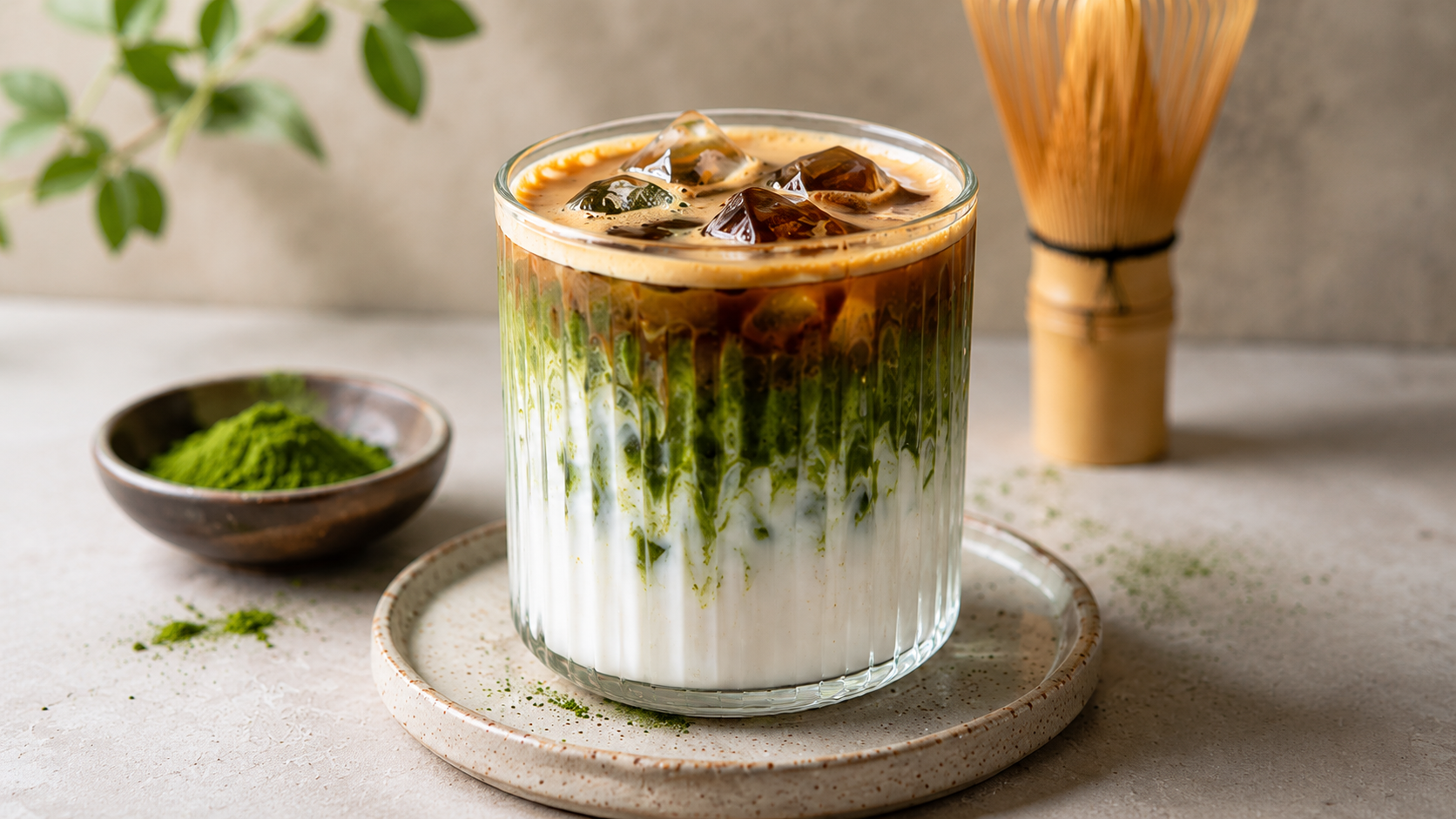
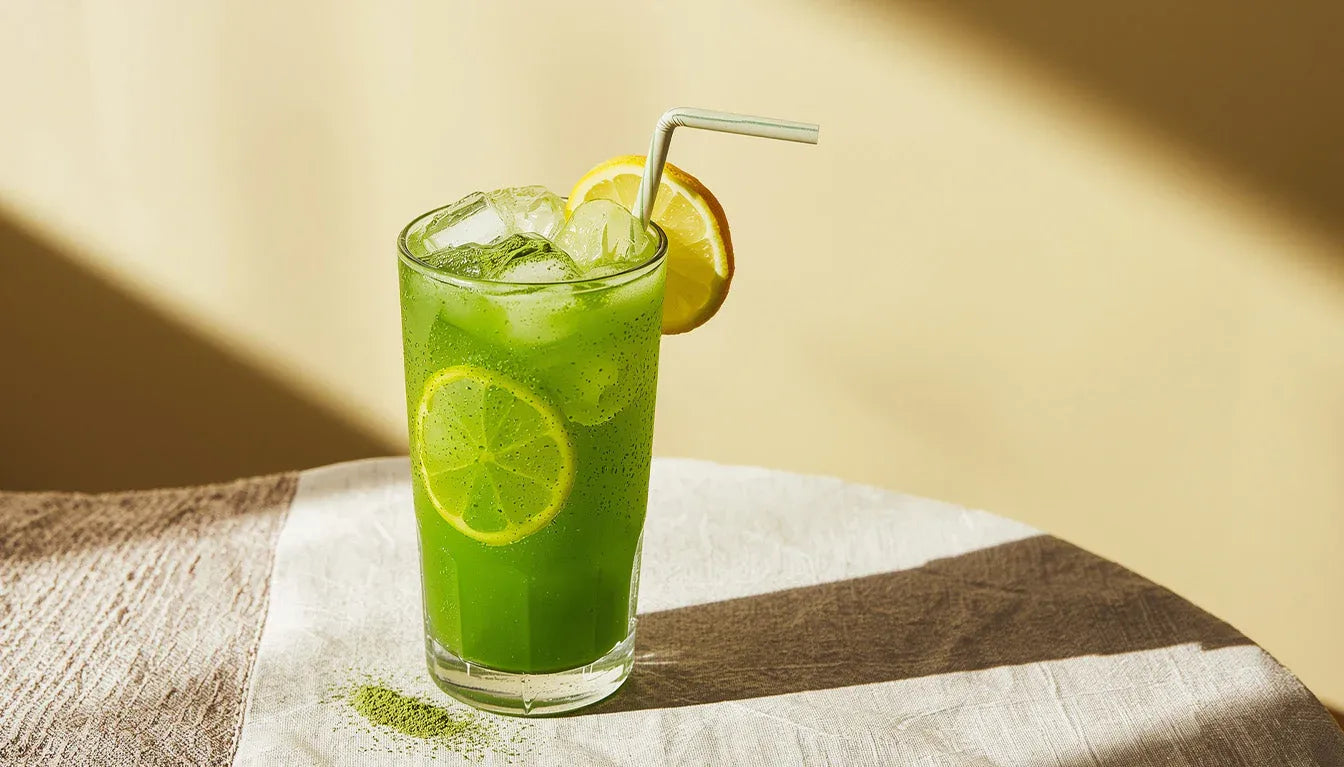
The iced usucha recipe is gaining popularity, especially in warmer climates like India:
-
Whisk matcha with a small amount of warm water
-
Pour over ice
-
Add cold water or milk (optional)
Refreshing, energising, and perfect for summer, iced usucha is redefining how we consume matcha daily.
Koicha: The Luxury Matcha Experience
Koicha is where matcha becomes an art form. Made using a higher grade of Japanese matcha, usucha matcha (ceremonial grade), it requires precision and quality.
What Makes Koicha Special?
-
Uses more matcha, less water
-
No froth; just a thick, velvety texture
-
Requires the best matcha for a smooth, non-bitter taste
Koicha is often shared in traditional ceremonies, symbolising connection and respect. It’s not just a drink; it’s an experience.
Usucha vs Koicha: Key Differences
| Aspect | Usucha | Koicha |
| Texture | Light & frothy | Thick & creamy |
| Matcha Quantity | Less | More |
| Taste | Mild, slightly bitter | Rich, umami, smooth |
| Occasion | Daily use | Ceremonial/special |
| Grade Required | Good quality | Highest-grade organic matcha |
Understanding koicha vs usucha matcha helps you choose the right style for your lifestyle.
Choosing the Best Matcha in India
With the rise of Japanese green tea powder, quality matters more than ever. Whether you want to buy matcha tea powder for daily use or create a premium ritual, here’s what to look for:
-
Origin: Authentic Japanese sourcing
-
Colour: Vibrant green (not dull or yellowish)
-
Texture: Fine, smooth powder
-
Taste: Balanced, not overly bitter
Bree Matcha focuses on delivering high-quality organic matcha suitable for both usucha and koicha.
You can also explore curated options like a matcha gift set, which includes essentials like a bowl and matcha whisker, perfect for beginners.
Beyond Matcha: Exploring Variations
Matcha culture is evolving, and so are its variations:
-
Hojicha Usucha: A roasted version with a nutty flavour
-
Sucha Bela Trends: Emerging interpretations of traditional tea moments
-
Matcha-based wellness drinks: Adaptogenic blends, collagen matcha, and more
Yet, at its core, the essence remains the same: ritual, quality, and mindfulness.
The Future of Matcha Rituals
The global shift toward intentional living has made matcha more than just a beverage. The conversation around usucha vs koicha reflects a deeper desire for balance:
-
Usucha = everyday energy & simplicity
-
Koicha = indulgence & mindfulness
Whether you’re sipping a quick iced usucha before work or preparing a ceremonial koicha on a slow Sunday, matcha adapts to your lifestyle.
Bree Matcha is leading the way; the journey from casual consumption to conscious ritual is becoming more accessible in India.
Popular Searches
Matcha Tea Bowl | Ceremonial Matcha Set | Best Matcha Tea Powder Online | New Matcha Collection | Lemongrass Matcha Powder | Signature Matcha Powder | Matcha Accessories | Matcha Kit
Popular Blogs
Should You Drink Matcha on an Empty Stomach? | Alternatives To A Bamboo Whisk | Matcha Benefits For Women | Best Way To Drink Matcha | Why Matcha Gift Sets Are The Smartest Last Minute Gfit Idea | Matcha For Beginners | Matcha Date Latte | Matcha Mousse | How Much Caffeine In Matcha | What Does Matcha Taste Like | Calories In Matcha






Share:
Matcha Tea & Nutrient Absorption: Hidden Truth You Shouldn’t Ignore
Holiday Matcha Treats: Festive Recipes for Any Celebration