
In This Article
Matcha Tea & Nutrient Absorption: Hidden Truth You Shouldn’t Ignore
Does Matcha Affect Iron Absorption?
How Long Does Matcha Affect Iron Absorption?
How Much Does Matcha Inhibit Iron Absorption?
Coffee vs Matcha: Which Is Better for Iron Levels?
Why Is Matcha a Concern for Low Iron?
How to Enjoy Matcha Without Affecting Nutrient Absorption
How Fast Does Matcha Affect Digestion?
The Bigger Picture: Balance Over Fear
Whether you call it matcha tea, matcha powder, or Japanese matcha tea, this vibrant green drink has become a daily ritual for many. Loved for its clean energy, metabolism support, and calm focus, matcha green tea is often seen as a healthier alternative to coffee. But one question keeps coming up: Does matcha block nutrient absorption?
If you’ve heard concerns about the “impact of matcha on iron levels,” you’re not alone. Let’s break it down simply and honestly so you can enjoy your cup of matcha tea powder without worry.
Does Matcha Affect Iron Absorption?
Yes, but only in specific situations.
If you drink Japanese matcha tea:
-
Alongside iron-rich meals
-
Especially plant-based meals
…it may reduce iron absorption to some extent.
This is why some people ask, “Why is matcha bad for low iron?” The concern is valid but often overstated. For most people, the effect is mild and manageable.
How Long Does Matcha Affect Iron Absorption?
The Impact is temporary.
After drinking matcha tea, the interference with iron absorption typically lasts about 1–2 hours. With proper timing, you can easily avoid this issue altogether.
How Much Does Matcha Inhibit Iron Absorption?
Research suggests that tea, including matcha tea powder, may reduce non-heme iron absorption by 10–60%, depending on:
-
Strength of the tea
-
Quantity consumed
-
Timing with meals
That said, this doesn’t mean nutrients are lost; it only affects absorption during a short window.
Does Matcha Contain Iron?
Yes, matcha powder does contain small amounts of iron since it’s made from whole tea leaves.
However, it’s not a significant source, so it shouldn’t be relied upon to meet your daily iron needs.
Coffee vs Matcha: Which Is Better for Iron Levels?
When comparing coffee and matcha green tea, matcha is generally the better choice.
Coffee can inhibit iron absorption more aggressively, especially when consumed with meals. In contrast, Japanese matcha tea, when consumed mindfully, tends to have a milder effect.
Why Is Matcha a Concern for Low Iron?
If you already have low iron levels, drinking matcha tea with meals frequently may not be ideal.
But it’s important to understand:
-
Matcha is not the main cause of iron deficiency
-
Diet and health conditions play a bigger role
Matcha becomes a concern only if:
-
Consumed in large amounts
-
Taken with iron-rich meals
-
Combined with existing low iron levels
How to Enjoy Matcha Without Affecting Nutrient Absorption
You don’t need to give up your daily matcha green tea. Just follow a few simple tips:
✔ Time it right -Drink matcha between meals
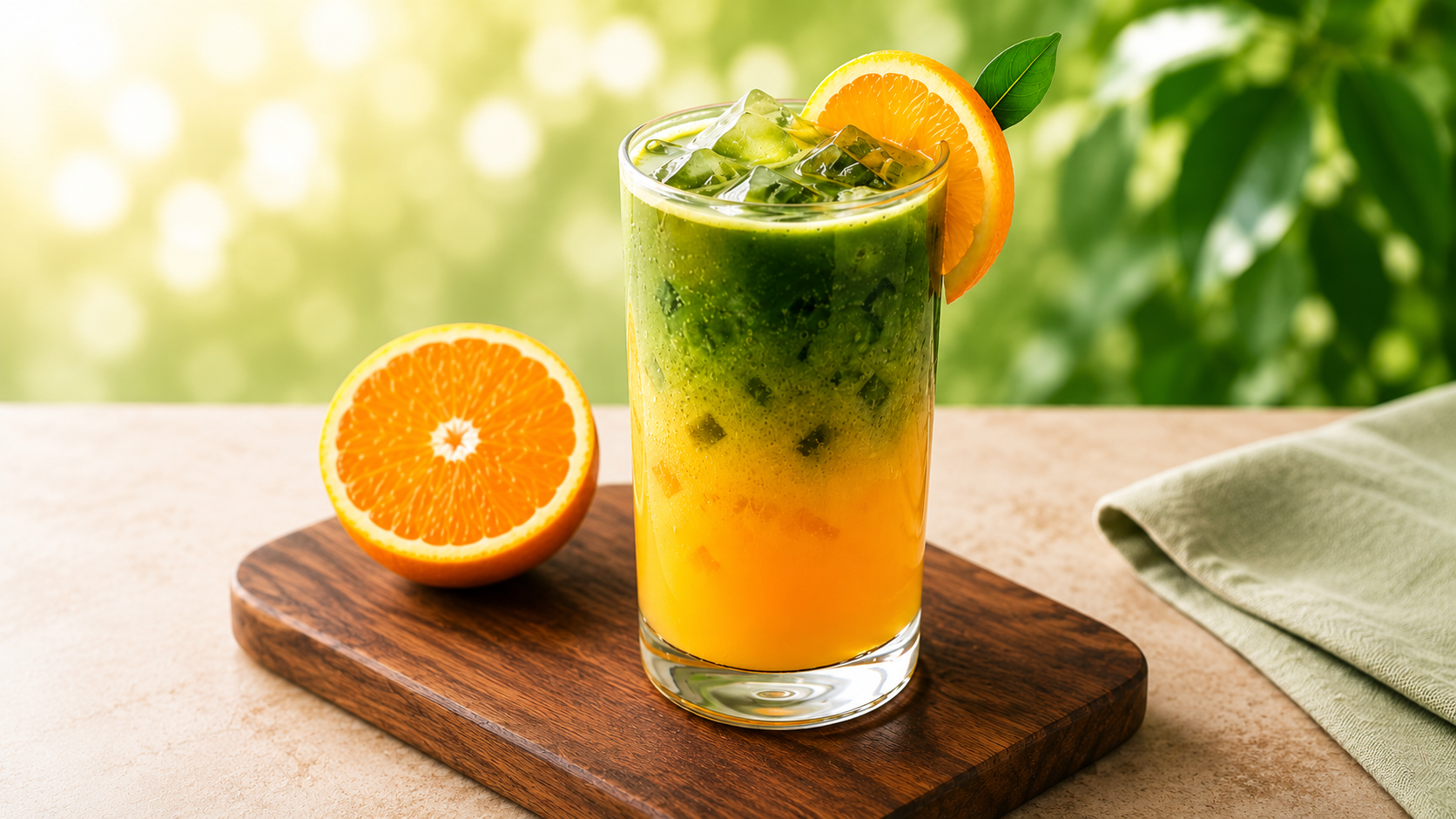
✔ Add Vitamin C- Pair your diet with citrus fruits or amla
✔ Limit intake -Stick to 1-2 cups per day
✔ Choose quality - Premium options like Bree Matcha offer a cleaner experience
How Fast Does Matcha Affect Digestion?
A common question is how quickly matcha tea powder works on digestion.
Thanks to caffeine and natural compounds, it may stimulate bowel movements within 30 minutes to an hour, especially on an empty stomach. This is usually a sign of improved gut activity.
The Bigger Picture: Balance Over Fear
It’s easy to overthink questions like “Does matcha block nutrient absorption?”
But the reality is simple: matcha tea is not the enemy. When consumed mindfully, it offers far more benefits than drawbacks-from sustained energy to antioxidants and focus.
Conclusion
So, does matcha green tea block nutrient absorption?
Not significantly and certainly not enough to avoid it altogether. While matcha powder can slightly affect iron absorption, proper timing and a balanced diet make this easy to manage.
If you want a smoother, more enjoyable experience, opt for high-quality Japanese matcha tea like Bree Matcha because how you feel after your cup matters just as much as what’s in it.
Popular Searches
Matcha Tea Bowl | Ceremonial Matcha Set | Best Matcha Tea Powder Online | New Matcha Collection | Lemongrass Matcha Powder | Signature Matcha Powder | Matcha Accessories | Matcha Kit
Popular Blogs
Should You Drink Matcha on an Empty Stomach? | Alternatives To A Bamboo Whisk | Matcha Benefits For Women | Best Way To Drink Matcha | Why Matcha Gift Sets Are The Smartest Last Minute Gfit Idea | Matcha For Beginners | Matcha Date Latte | Matcha Mousse | How Much Caffeine In Matcha | What Does Matcha Taste Like | Calories In Matcha






Share:
Matcha or Chai: Which Drink Wins for Your Health?
Usucha vs Koicha: The Modern Matcha Ritual Redefining Wellness & Luxury Living