
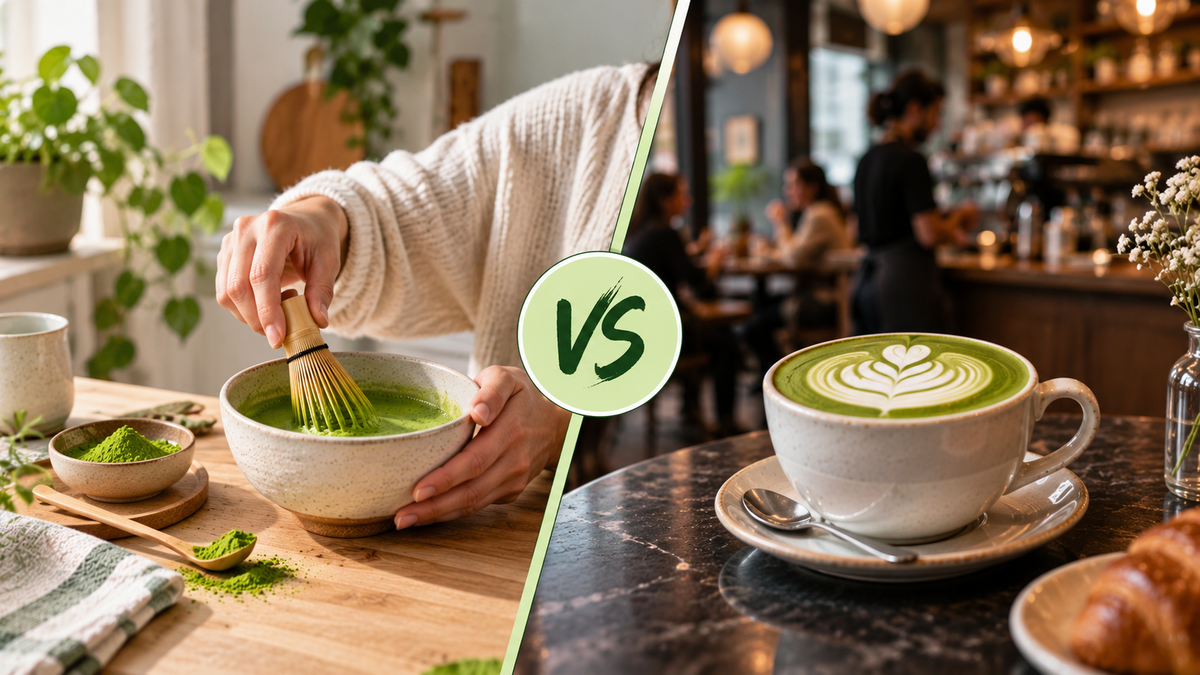
Matcha at home and matcha at a cafe can be made from the same basic ingredient, yet the final drinks may differ in flavour, texture, and appearance. The reason comes down to how matcha is prepared and the ingredients used alongside it.
Water temperature, matcha quantity, whisking the matcha, milk, sweeteners, and serving style can all influence the result. Understanding these factors makes it easier to see what is really different between homemade matcha and café-made matcha.
The Homemade Matcha Experience
Preparing matcha at home is a calming and satisfying process in itself. From sifting the matcha to whisking it to preparing the cup of matcha. Unlike in a cafe, there is no rush in making the matcha; you can take your own time and enjoy the process of making a cup of matcha.
Now let’s explore some factors that make the experience of making matcha at home unique:
1) You have full control over your cup of Matcha
While making matcha at home, you have complete control over how much matcha powder you want to add, how strong you want the flavour to be, and whether you prefer it hot or cold, iced or blended into a matcha latte.
2) You Choose the Ingredients
If making your own cup of matcha, you can decide what ingredients you want to add or skip. You can customise it according to your taste and your preferences.
You can choose your preferred milk, sweetener, or flavouring. Whether you like dairy milk, oat milk, almond milk, or your matcha without milk at all, the choice is yours.
3) You Can Experiment With Different Styles
A homemade matcha doesn't have to mean a basic cup of whisked tea.
You can make:
-
Hot matcha
-
Iced matcha
-
Matcha latte
-
Iced matcha latte
-
Matcha-based breakfast drinks
This adds a fun element to making matcha, and this way you can explore various matcha recipes by searching online and trying them at home.
4)You Can Build Your Own Preparation Style
With regular practice, preparing matcha can become less about following a fixed recipe and more about developing a method that works for you. Over time, you can fine-tune the strength, texture, and overall balance of your drink.
The Cafe-Style Matcha Experience
A cafe-style matcha drink involves more than simply mixing matcha powder with liquid. The preparation usually follows a specific recipe and technique designed to create a consistent flavour, texture, and appearance. From the way the matcha is whisked to how the milk and other ingredients are combined, each step contributes to the finished drink and the experience of enjoying it at a cafe.
1) A Recipe Built for a Particular Taste
Cafes usually have a defined recipe for each matcha drink. The proportions of matcha, liquid, and other ingredients are decided beforehand, giving the drink a particular flavour profile that customers can expect each time.
2) Barista Preparation
The person preparing the drink can make a noticeable difference. Measuring the ingredients, properly whisking the matcha, and combining it with milk are all part of the preparation process.
3) Layering and Blending
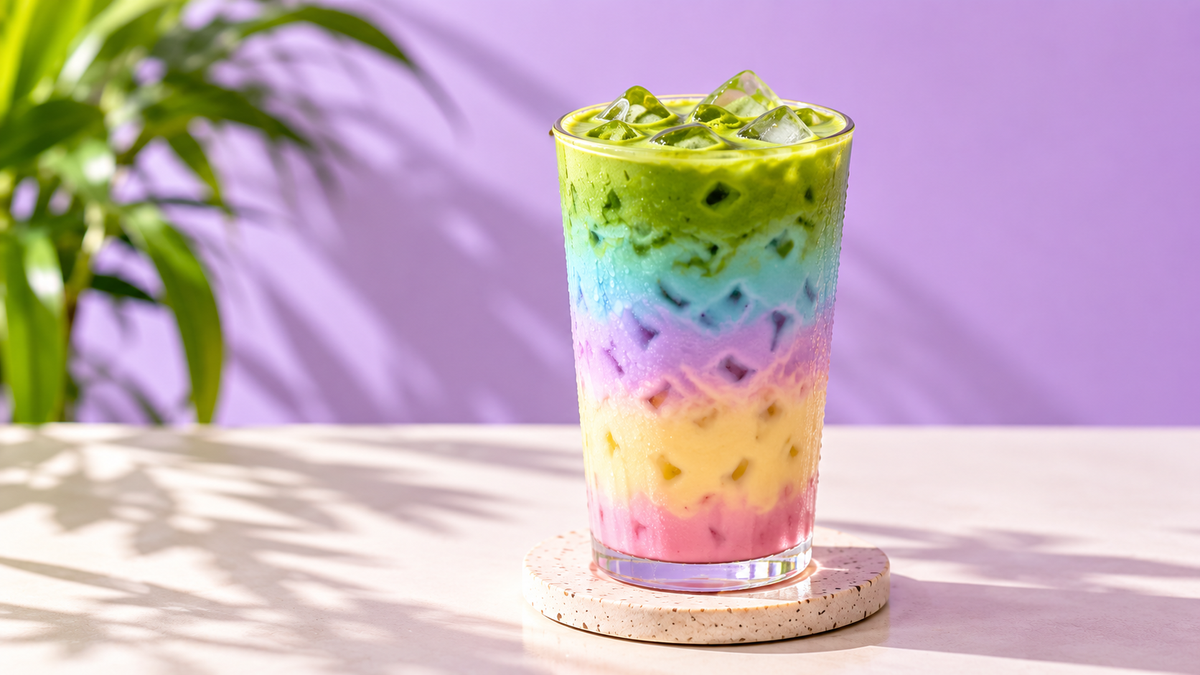
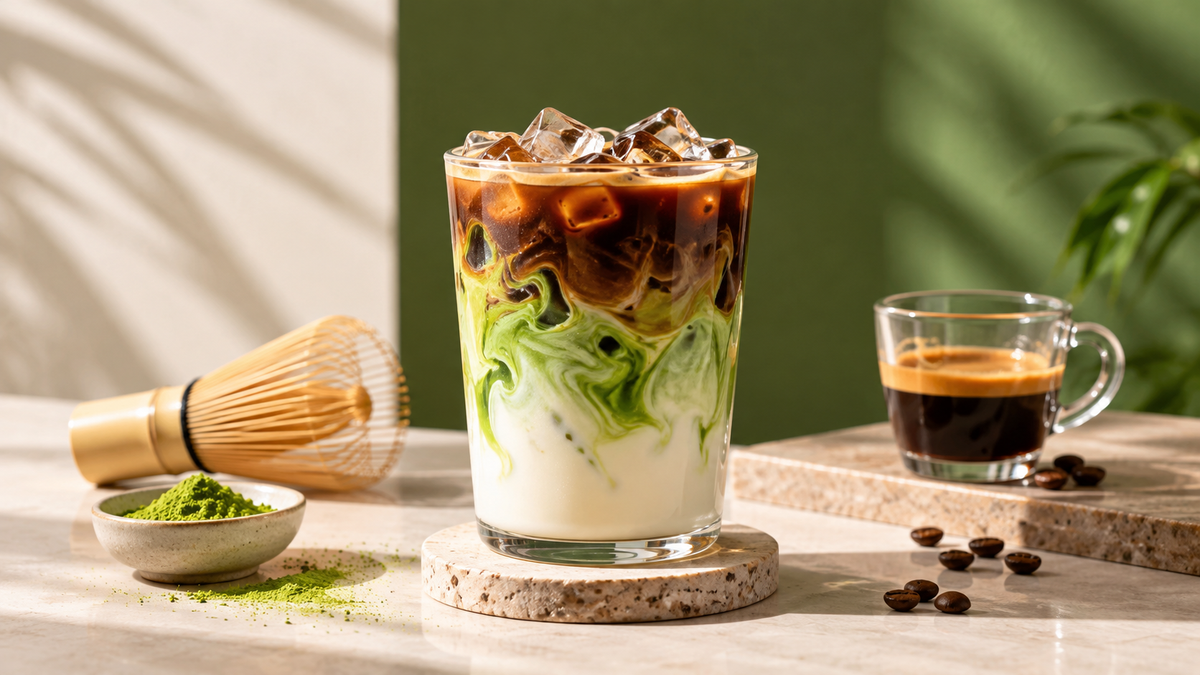
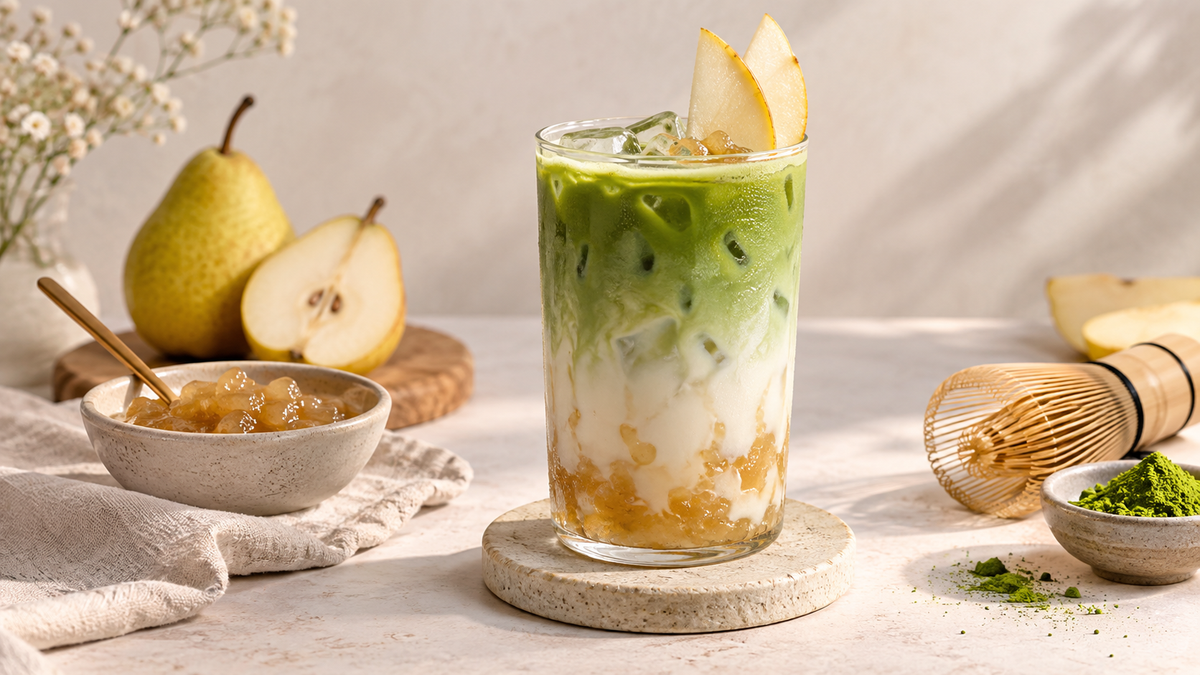
Iced cafe matcha drinks are often prepared in layers, creating a distinct separation between the milk, ice, and matcha before they are mixed together. This can give the drink a different visual and textural experience, and various flavoured matcha are also served by showing a distinct separation between colours.
4)The Right Tools for Preparation
The tools used to prepare matcha can also influence the overall experience. Using a matcha kit with essentials such as a bamboo whisk, ceramic matcha bowl, and scoop can make the preparation process more convenient and help create a smoother, well-mixed drink.
The Occasion Can Change the Experience
The occasion can influence not only where you enjoy matcha, but also the type of drink and preparation you choose. On a relaxed morning at home, you may prefer taking your time to prepare matcha tea using a matcha kit, turning the preparation itself into part of your routine. On a busy day, a café-made matcha can offer a convenient option when you want something ready to enjoy without preparing it yourself.
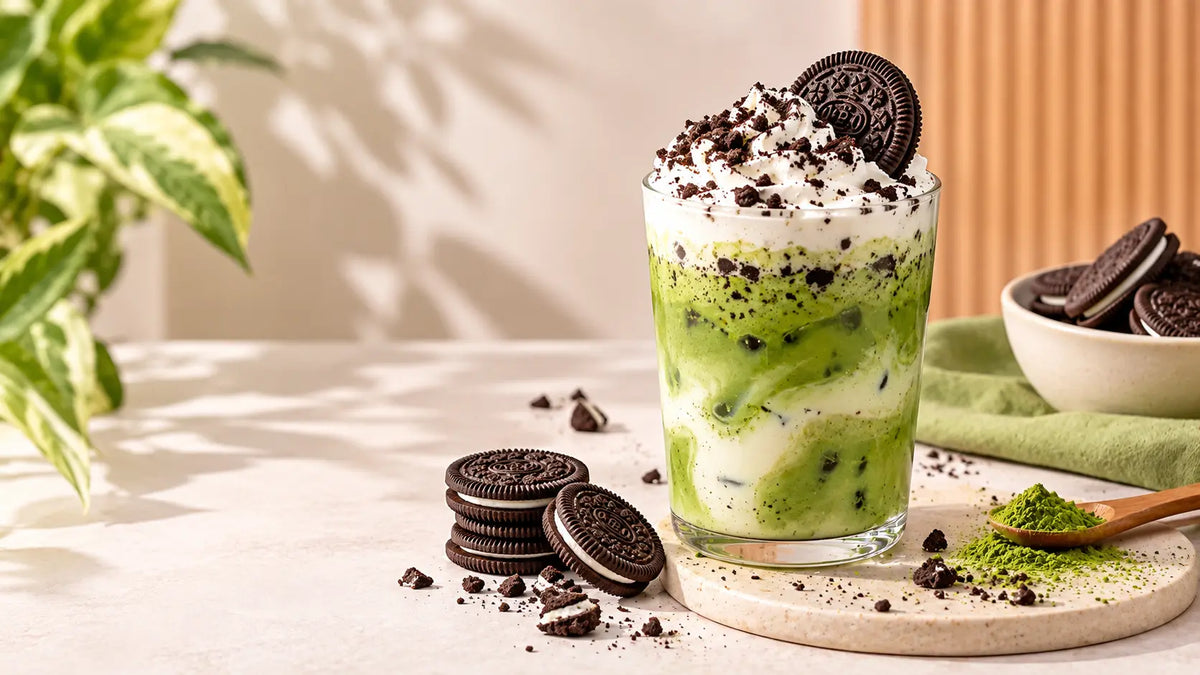
The occasion can also determine the kind of matcha drink you reach for. A simple matcha powder preparation may suit a quiet moment at home, while a café visit may be an opportunity to try a flavoured matcha or a creamy matcha latte. In this way, the same ingredient can fit into different moments, settings, and routines, giving each cup its own experience.
Matcha at Home vs. Matcha at Cafe: A Quick Comparison
|
Factor |
Matcha at a Cafe |
|
|
Preparation |
You prepare the drink yourself and can take your time with each step. |
The drink is prepared for you using the cafe's recipe and method. |
|
Ingredients |
You choose the matcha, milk, sweetener, and additional flavours. |
Ingredients are selected and combined according to the cafe's menu. |
|
Texture |
You can adjust whisking and preparation to achieve your preferred consistency. |
The texture generally follows the cafe's established preparation style. |
|
Presentation |
You decide how you want to serve and present your drink. |
Presentation is usually part of the cafe's overall serving style. |
|
Cost |
Requires an initial investment in matcha and equipment, but ingredients can make multiple servings. |
You pay for each prepared drink along with the service and convenience. |
|
Convenience |
Requires time to prepare and clean up afterwards. |
Ready to drink without any preparation or cleanup. |
Conclusion
Matcha at home and matcha at a cafe offer two different ways to enjoy the same drink. Preparing it at home gives you more control over the ingredients, strength, and preparation, while a cafe provides convenience, consistency, and a ready-to-enjoy experience. The differences can come down to everything from the matcha powder and preparation technique to the setting in which it is enjoyed.
Love the taste of café-style matcha? Create your own matcha ritual at home with Bree Matcha. Explore our range and find the matcha that fits your everyday cup, whether you prefer it simple, iced, or as a creamy latte.




Share:
Why is Matcha the most effective green tea for weight loss?
Matcha Tourism: Why Tea Regions Are Becoming Travel Destinations