

At Bree Matcha, we spend a lot of time talking about matcha, where it comes from, how it’s grown, how it should taste, and why it feels different from regular tea or coffee.
But as matcha grows in popularity in India and around the world, we’ve noticed something else growing too: myths.
So let’s slow things down for a moment and talk honestly about matcha, not from trends or internet shortcuts, but from what we’ve learned working directly with grade-A matcha sourced from Kagoshima, Japan.
Myth 1: Matcha Is Just Green Tea Powder
We hear this a lot, and it’s understandable.
The truth: Matcha comes from the green tea plant (Camellia sinensis), but it’s grown and processed very differently.
The matcha we source at Bree comes from tea plants that are grown in shade before harvest. This slows growth and increases compounds like L-theanine and natural caffeine, which is what gives matcha its smooth flavour, calm energy, and vibrant green colour.
With regular green tea, you steep the leaves and discard them. With matcha, you consume the entire leaf, finely stone-ground into powder. That alone changes everything from taste to how your body experiences the energy.
Myth 2: Good Matcha Should Taste Bitter
If your matcha tastes harsh or unpleasant, something isn’t right.
High-quality matcha should taste:
-
Smooth
-
Balanced
-
Slightly sweet and vegetal
Bitterness usually comes from low-grade leaves, poor processing, or overheating the water.
At Bree Matcha, we focus on matcha that tastes good on its own, without needing sugar or heavy flavouring to hide flaws. When matcha is grown and handled properly, bitterness isn’t the defining note; balance is.
Myth 3: Bright Green Matcha Must Be Artificial
This one surprises people.
That vibrant green colour everyone associates with “good matcha” isn’t added, it’s earned.
The shading process used in regions like Kagoshima increases chlorophyll levels naturally. When matcha looks dull or yellowish, it’s usually a sign of age, lower quality, or improper processing.
Myth 4: Flavoured Matcha Isn’t Real Matcha
When we talk about flavoured matcha, we’re not talking about artificial powders or sugar-heavy mixes. We start with real Japanese matcha and then layer in flavours that support the leaf, not hide it.
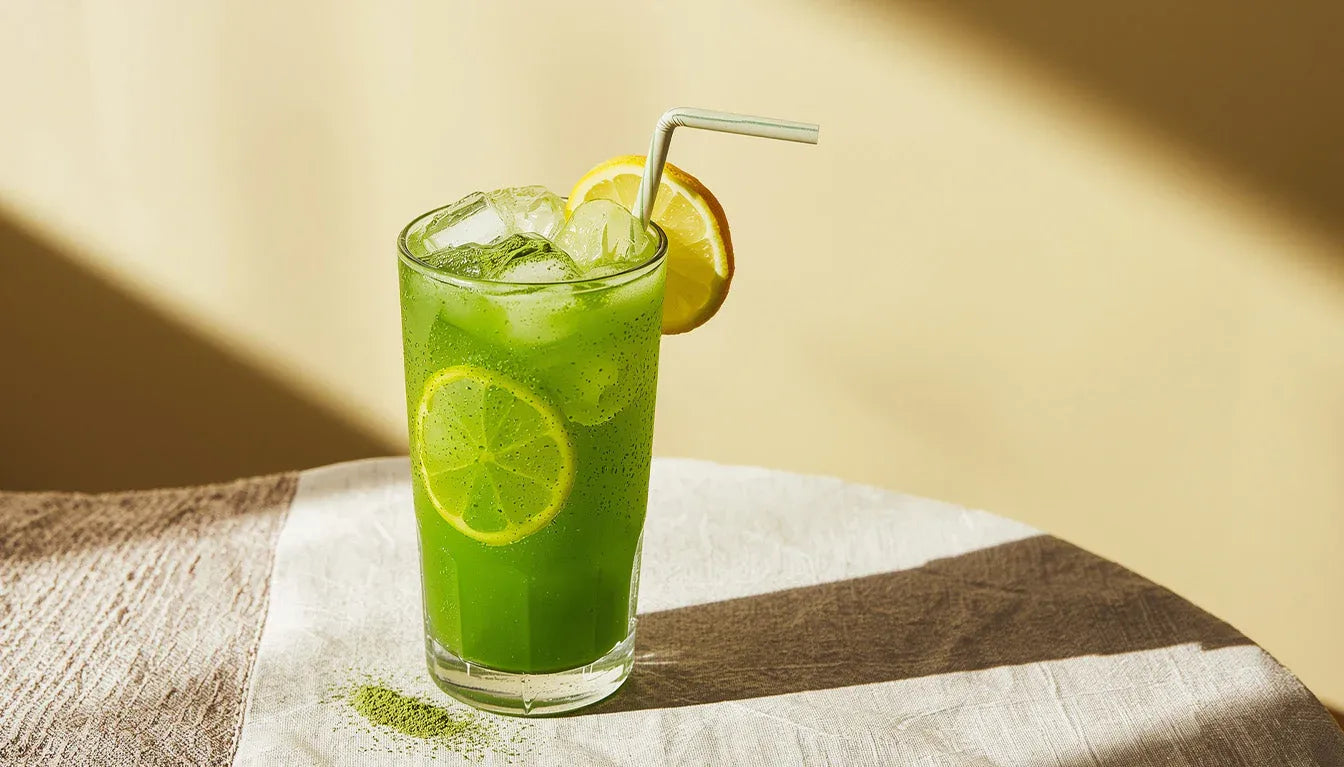
Our Lemongrass Matcha blends organic Japanese matcha with natural lemongrass and monk fruit. The result is a light, citrusy, and refreshing cup that feels clean and easy on the body. It’s designed for days when you want calm energy and a gentle, soothing sip. No recipes needed, just whisk with lukewarm water, and you’re good to go.
Our Strawberry Matcha takes the same approach but leans playful. Made with Japanese matcha and natural strawberry flavour, it’s lightly sweet, bright, and café-inspired without syrups or added sugar. It works just as well with water as it does with milk, making it an easy, everyday treat.
For us, flavoured matcha isn’t about covering up quality. It’s about making matcha more approachable, enjoyable, and part of real daily routines while still staying true to what matcha is meant to be.
Myth 5: All Matcha Is the Same
Not all matcha is meant for the same moment.
There’s:
-
Matcha for mindful sipping
-
Matcha for daily routines
-
Matcha for comfort and experimentation
That’s why we don’t believe in one-size-fits-all matcha. We believe in choosing the right matcha for how you actually drink it.
What We Believe at Bree Matcha
Matcha isn’t about perfection or trends.
It’s about quality, clarity, and how it makes you feel.
From Kagoshima to your cup, our matcha is:
-
Carefully shaded
-
Thoughtfully crafted
-
Naturally vibrant
-
And designed to give you clean energy, not overwhelm
If matcha feels confusing, intimidating, or overhyped, that’s not your fault. The industry hasn’t always done a great job of explaining it.
We’re here to change that one honest cup at a time.






Share:
Why Second-Harvest Matcha Is Ideal for Daily Drinking
Valentine’s Day Gift Ideas: Celebrate Love with Wellness Rituals