
Key Takeaways
- Matcha for beginners can feel intimidating, but it comes down to choosing the right matcha powder and getting the basics right
- If you’re new to matcha, ceremonial grade matcha is easier to start with. It's smoother, less bitter, and doesn’t taste as harsh as lower grades
- Figuring out how to choose high-quality matcha powder for beginners starts with simple cues like bright green colour, fine texture, fresh aroma and a balanced taste
- Most beginner mistakes, like bitterness or clumps, come from boiling water, not sifting, not whisking properly, or using low-quality matcha tea.
In This Article
Types of Matcha And Which One Beginners Should Choose
How to Choose High-Quality Matcha Powder as a Beginner
How To Make Matcha For Beginners
Simple Matcha Recipes for Beginners
Common Beginner Mistakes And How to Avoid Them
Matcha is everywhere. Your social media feed, the café down the road, that one friend who won't stop talking about it.
So obviously, you give it a try. And then, it tastes like nothing you expected. A little earthy, a little strong, and you’re wondering, does anyone even like it, or just pretending to like it?
The truth is, matcha isn’t hard to love. It’s just easy to mess up matcha for beginners. Once you get past that first awkward phase, it actually becomes one of those things you don’t want to give up.
If you are trying matcha for the first time and looking for a proper matcha guide for beginners, let’s keep reading.
What is Matcha?
Matcha is technically green tea, but way stronger than it. With regular green tea, you steep the leaves and throw them away. But, with matcha you’re drinking the whole leaf, ground into a very fine powder. That’s why the flavour feels stronger, the texture slightly thicker and the color is vibrant green.
This also explains why matcha is considered healthier. The caffeine in matcha doesn’t hit all at once like coffee. It is released slowly, so instead of that quick spike, you get a more steady kind of energy that keeps you going for longer. You’re alert, just not jittery.
Matcha is also packed with antioxidants, more than regular green tea, simply because you are consuming the whole leaf. That’s one of the reasons why people switch to matcha tea in the first place.
Types of Matcha And Which One Beginners Should Choose

You pick up any matcha powder, try it once, hate it and then decide matcha isn’t for you. But honestly, choosing high-quality matcha powder for beginners is the safest route to matcha.
Ceremonial-grade matcha is usually the best matcha for beginners. It’s smoother, slightly sweet, and doesn't hit you with bitterness. If you want the best matcha to try for the first time, start with Bree Matcha’s ceremonial grade matcha. Then there’s culinary matcha. It’s stronger, sharper and better for baking or lattes.
Somewhere in between, you’ve got daily sipping options like everyday matcha. This is what most people settle into once they get used to the taste.
How to Choose High-Quality Matcha Powder as a Beginner
If you’re trying to figure out how to choose high-quality matcha powder for beginners, just remember four things: colour, texture, aroma, and taste.
Good quality matcha is bright green. Almost too green. If it looks dull or slightly brownish, that’s your first red flag.
The texture should feel soft, like very fine powder and not grainy. You can check this with a finger-swipe test. Put a small amount of matcha on a piece of paper and then swipe your finger through it. If it feels smooth, it's good quality.
It should smell fresh and vegetal like freshly cut grass. And the taste has to be smooth, umami, with a slightly sweet note, even if it's earthy.
Honestly, just pick something decent to start. You don't need to overthink it; your palate figures out what good matcha tastes like faster than any guide will tell you.
How To Make Matcha For Beginners

Making matcha isn’t difficult. You’ll need your matcha powder, some hot water, and ideally a matcha tea bowl and a matcha whisker. Or just get a matcha kit. It takes the guesswork out of it.
Here’s the best way to try matcha for the first time:
- Start with 1 teaspoon of matcha, sift it into a cup or matcha bowl
- Add a little hot water, around 80 °C but not boiling
- Whisk it with quick zig-zag motions, moving your wrist quickly
When it’s smooth and slightly frothy, you’ll know you are doing it right. That’s your matcha base.
From here, you can add more water, milk, or even ice, depending on your mood that day.
Simple Matcha Recipes for Beginners
People don’t instantly fall in love with plain matcha. Usually, the “latte” phase comes first. Once you get the hang of it, you’ll want to experiment a little and try a few more recipes:
Matcha Latte
A basic matcha latte is the easiest place to start.
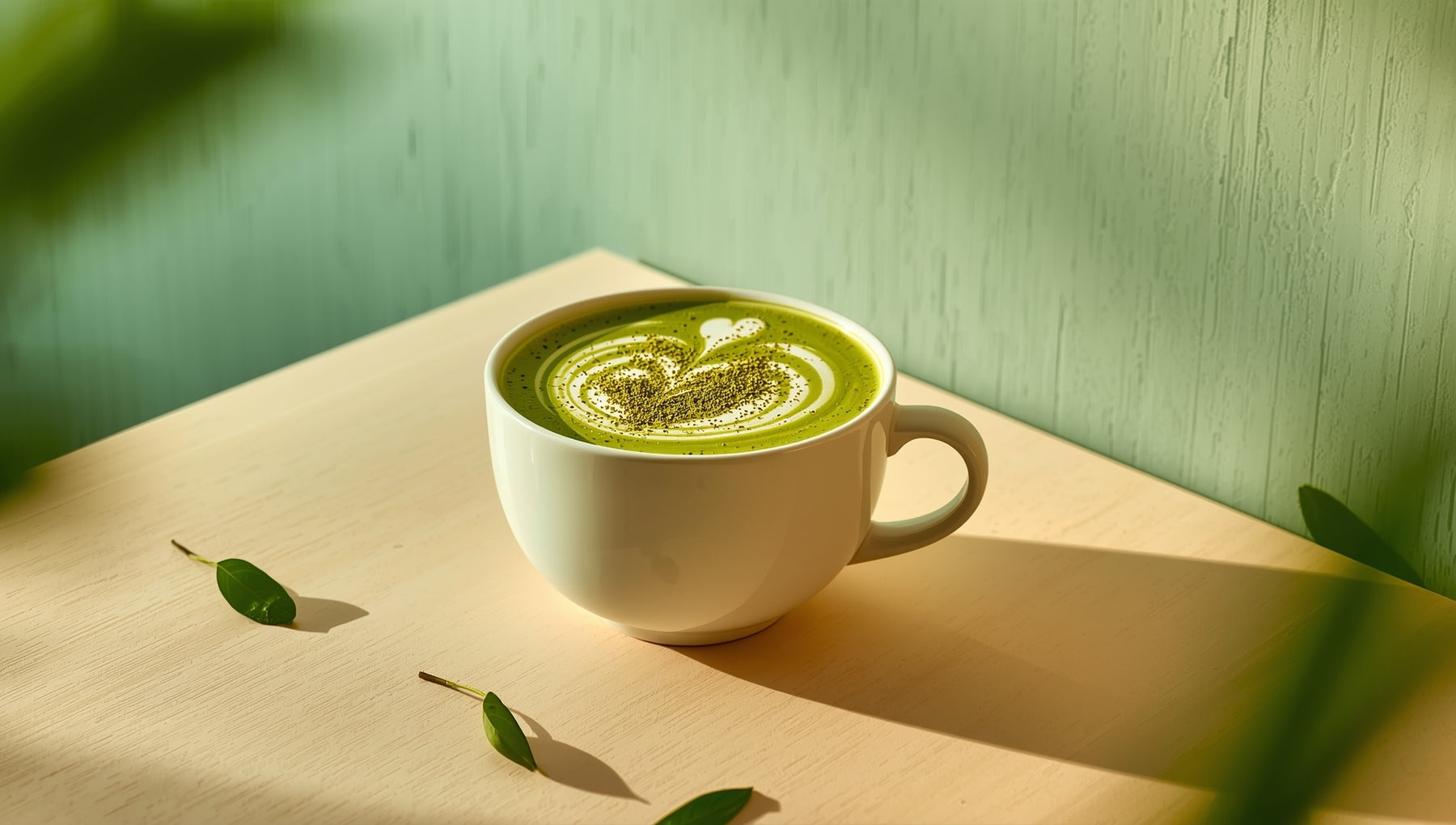
Whisk a teaspoon of matcha with a little hot water first, then make the base. Then, add milk. Hot or cold, both work. Oat milk makes it creamier, almond milk keeps it lighter. Add sweetener if you’d like to. Nobody’s judging
Strawberry Matcha

This one feels more like a treat than a “healthy drink”. Slightly sweeter, less earthy and easier for beginners who still aren’t sure about the flavour.
Just add strawberry puree to your glass first, then milk and ice. Pour your whisked matcha over it slowly. It looks complicated when cafes make it, but it really isn’t that hard.
Iced Matcha Lemonade
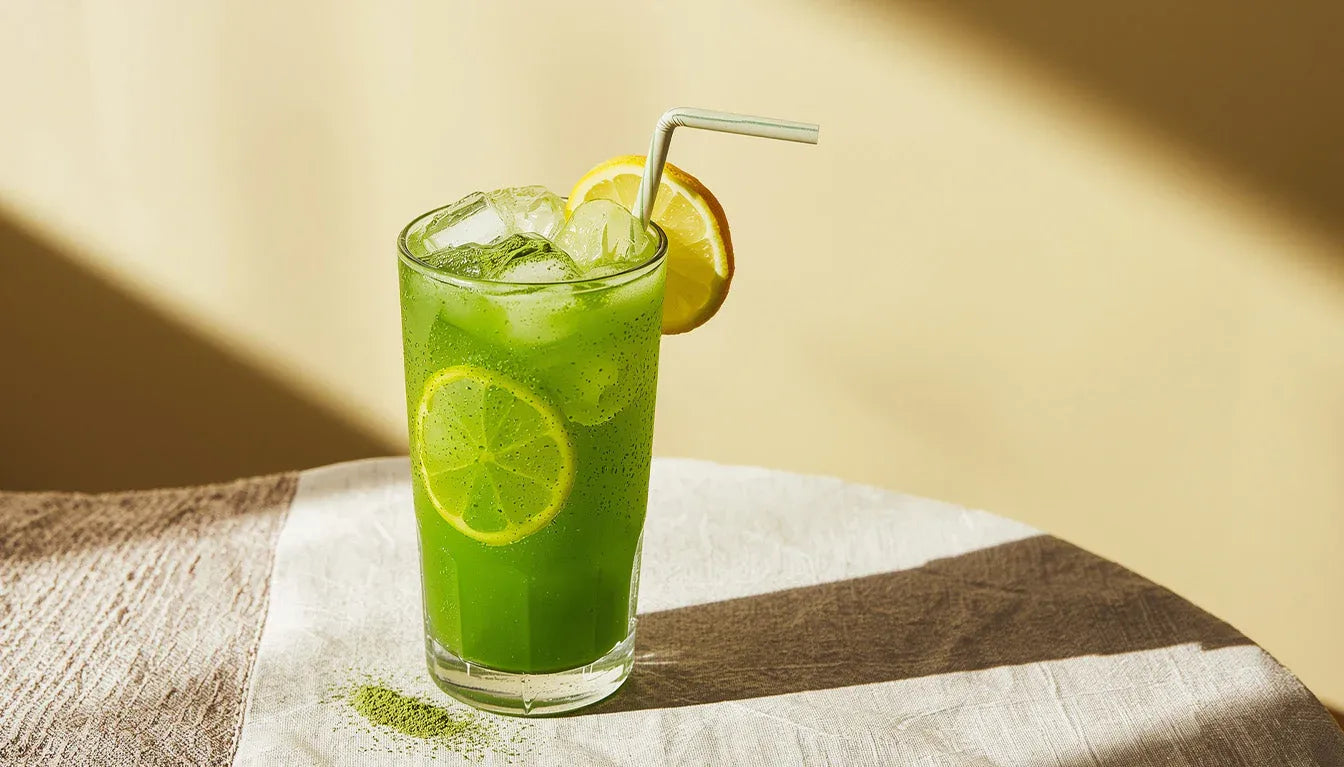
This one surprises people. You mix cold water, lemon juice, and a little sweetener first. Add ice. Then pour the matcha on top. The citrus cuts through the earthiness in a way that somehow works really well, especially in the summer.
If plain matcha still feels too intense right now, that's normal. A lot of people ease into it through flavoured drinks first. Something like strawberry matcha or even lemongrass matcha powder tends to feel like a good entry point.
Browse different flavoured matcha at Bree Matcha online.
Common Beginner Mistakes And How to Avoid Them
A few things trip people up early on, and they're all easy to avoid once you know.
- Using boiling water. It almost instantly makes matcha taste bitter.
- Not sifting it first or whisking properly will leave you with a clumpy matcha. Simply stirring won’t give you that smooth texture.
- Using too much matcha. It feels like more should taste better, but it is usually the opposite. Too much matcha powder just makes it too strong.
- The last one is expecting it to taste like coffee. Because it’s not coffee. And once you stop expecting that, it actually becomes easier to like.
Conclusion
Most people don't fall for matcha right away. The first cup may be even a little disappointing, sometimes weird. Start simple, play around with how you like it, maybe with milk, maybe add a little sweetener.
Once you find your version, there’s no going back. Just start. Adjust as you go.
You can explore everything you need at Bree Matcha: easy recipes, matcha accessories, matcha tools and more.
Frequently Asked Questions
1. How to start drinking matcha?
Start small. Use less powder, hot water, and pour over water, ice or milk of your choice. That’s the easiest way to get comfortable with it.
2. Does matcha taste bitter for first-time users?
It can, especially if you’re using low-quality matcha powder for beginners or water that’s too hot.
3. Why does my matcha taste bad or too strong?
Usually, it’s because of too much matcha powder or poor-quality matcha. Try adjusting both.
4. Can I add milk or sugar to matcha?
Yes, and adding milk is honestly one of the best ways to ease into matcha tea for beginners.
5. Why is my matcha not dissolving properly?
You’re probably not whisking it enough or skipping the sifting step
6. Is it okay to drink matcha at night?
It depends on your caffeine tolerance. It’s gentler than coffee, but still has some caffeine.
7. Which matcha is best for daily use as a beginner?
Something balanced, like Signature Matcha Powder or Everyday Matcha, works well for beginners.






Share:
5 Matcha Smoothies You Can Try This Summer
Does Matcha Green Tea Really Help with Weight Loss?