
Introduction
Ever had an urge to have something to restore your energy? Many people are looking for alternatives to coffee; along the way two beverages are gaining the most attention: Matcha Tea & Yerba Mate. Both drinks contain caffeine and are associated with improving focus and alertness. But when it comes to restoring sustainable energy, which one should you choose for your daily routine?
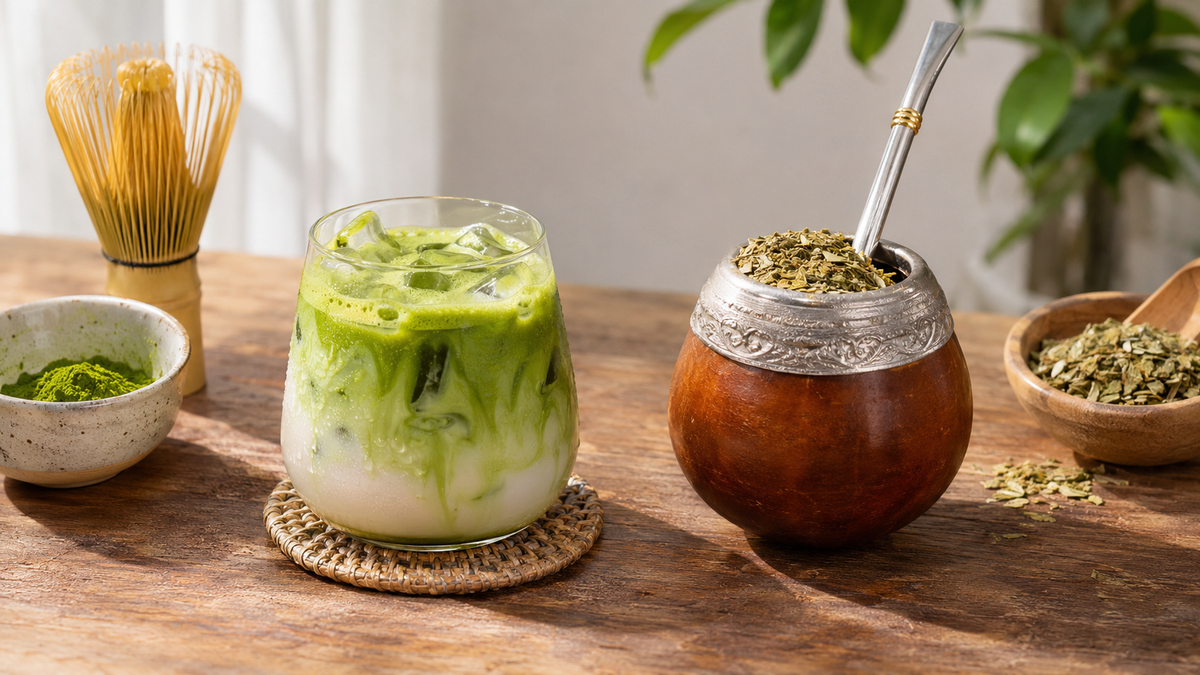
Matcha is a finely ground matcha powder which is shade-grown and has gained attention for providing calm and sustained energy. Yerba Mate is a traditional South American herbal plant that is consumed by steeping the powder in hot boiling water. Both types of tea help you feel awake, but they work differently and offer different experiences.
What Is Matcha?
Matcha is a traditional tea that is made by grinding a special kind of leaves that are grown in Japan. Matcha is different from the regular green teas, they are directly whisked with the water and then consumed, while on the other hand regular green tea are steeped in the water and then the bag is disposed off after the flavour is mixed with the water. As we consume the whole ground leaf, it is infused with caffeine, antioxidants, and naturally occurring amino acids.
How does Matcha provide energy?
Matcha offers a beneficial combination of L-theanine, caffeine and amino acids. Caffeine helps keep the brain alert and makes it ready for the day, while L-theanine is associated with keeping the mind in a relaxed state. This combination is particularly important for people who are looking for something that increases their attention span without making them feel overwhelmed.
A typical 3g scoop of matcha may contain 60-80 mg of caffeine, but the amount of caffeine may vary depending on the production method and the leaves used in the production. Because of the caffeine content, matcha can be a perfect choice for including it in a morning routine.
What is Yerba Mate?
The origin of Yerba Mate is South America. It is made using the dried leaves of a plant called Ilex paraguariensis. This traditional drink has a long-standing history, and it is enjoyed using a hollow gourd and a metal straw called bombilla.
Yerba Mate contains caffeine, theobromine, polyphenols and other naturally occurring plant compounds. The flavour of this drink is generally earthy, herbal, and it is slightly bitter. The drink is also available in different flavours.
How does Yerba Mate provide energy?
Yerba Mate is gaining attention because of its stimulating properties. The caffeine content of the drink helps in keeping the mind in an alert state. In a serving of 150 ml, the caffeine content is approximately 40- 80 mg.
The tea also contains theobromine; it is another natural plant compound found in cocoa plants.
Matcha Vs Yerba Mate
|
Feature |
Matcha |
Yerba Mate |
|
Origin |
Japan |
South America |
|
Source Plant |
Camellia sinensis |
Ilex Paraguariensis |
|
Caffeine Content |
In a 3g scoop approx. 60-80mg |
Around 40-80mg per 150 ml |
|
Key Plant Compounds |
L-Theanine, Amino Acids |
Theobromine, Polyphenols |
|
Taste |
Earthy,Vegetal, and umami-rich |
Herbal, earthy, slightly bitter |
|
Preparation Method |
Whisked directly into water and milk |
Steeped or Repeatedly Infused |
|
Best Suited For |
Focused, balanced routines |
A more stimulating tea experience |
What makes Matcha a popular choice?
People are choosing matcha over other drinks, and the reason is not just the vibrant green colour and attractive look. The biggest reason why matcha drinks are becoming popular is because of the combination of L-theanine and caffeine, which may promote alertness and focus. Matcha is made by grinding whole leaves, which enables you to take advantage of antioxidants and catechins.
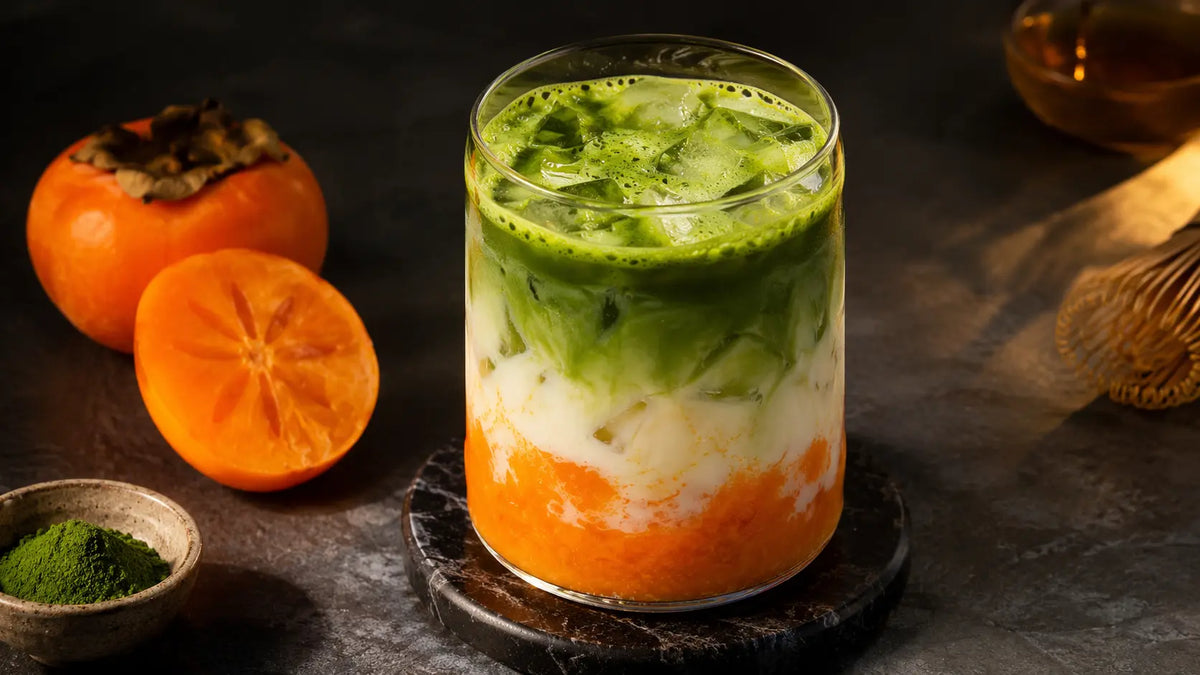
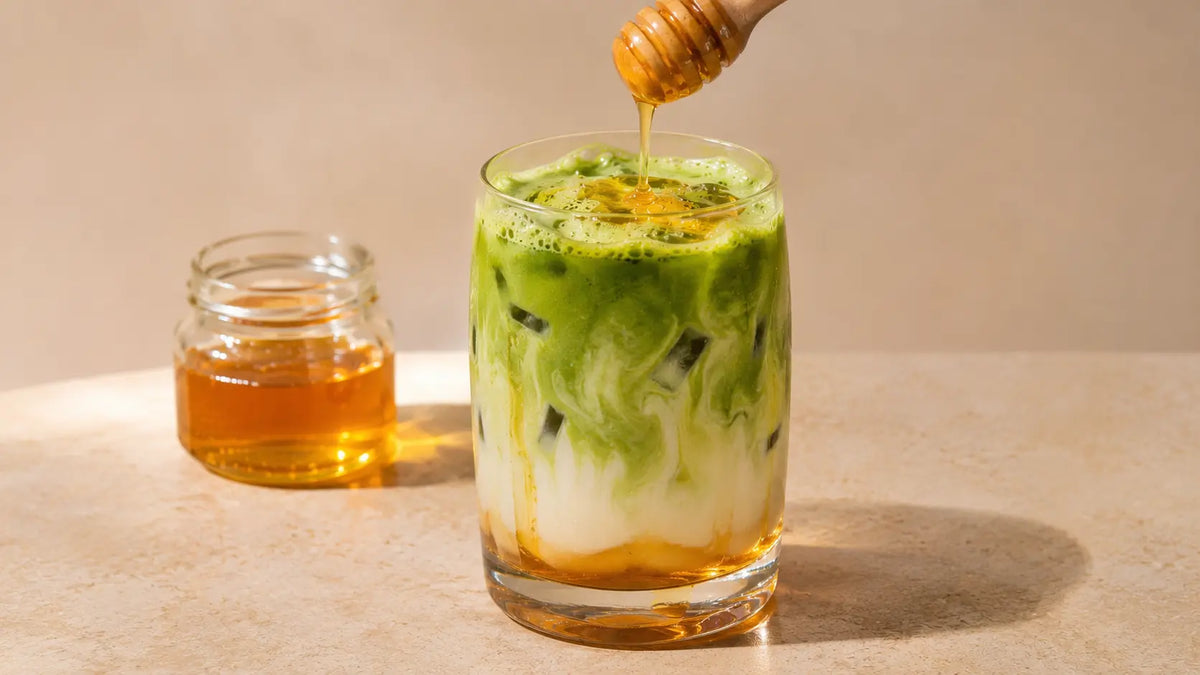
Another reason for the popularity of matcha is its versatility. Matcha is not just limited to traditional tea, you can prepare matcha lattes, add matcha in different matcha recipes. If you are interested in trying new matcha, you can experiment with different matcha flavours.
The preparation process of matcha is a different experience in itself. The traditional matcha-making process includes whisking matcha in a ceramic matcha bowl with a matcha bamboo whisk, which can turn the ordinary process into an enjoyable and calming one.
What Are the Health Benefits of Drinking Matcha?
If you are drinking matcha on a regular basis, it may turn out to be a beneficial drink for your body. Matcha offers several benefits through its ingredients. Let’s discuss some benefits of matcha:
-
Rich In Antioxidants: Matcha contains naturally occurring plant compounds, such as catechins and mainly EGCG (epigallocatechin gallate), it contains antioxidants that help protect the cells from oxidative stress.
-
Provides a Natural Energy Boost: Matcha contains naturally occurring caffeine, which helps keep the mind in an alert state and also provides energy for the day. It also contains L-theanine when combined with caffeine gives a sustainable and calming experience.
-
Contains Naturally Occurring Nutrients: As the process of matcha includes grinding the leaf into a fine powder. This gives us the naturally occurring nutrients of the whole leaf.
Conclusion
Matcha and Yerba Mate both have their own benefits and experiences. Matcha is made from finely ground matcha leaves and, while consuming it is directly whisked into water or milk and consumed directly. Yerba matcha is steeped in water rather than mixing the dried leaves in the water directly. Matcha is popular for its versatile nature and vibrant green colour.
If you want to experience the best quality matcha, shop from Bree Matcha.
Some articles you may enjoy:
https://www.breematcha.com/blogs/blogs/why-has-ube-matcha-become-a-viral-drink-trend
https://www.breematcha.com/blogs/blogs/how-to-choose-the-best-organic-matcha-a-quality-guide
https://www.breematcha.com/blogs/blogs/why-is-matcha-the-most-effective-green-tea-for-weight-loss

Share:
Is Matcha Safe for Kids? Everything Parents Need to Know