
Introduction:
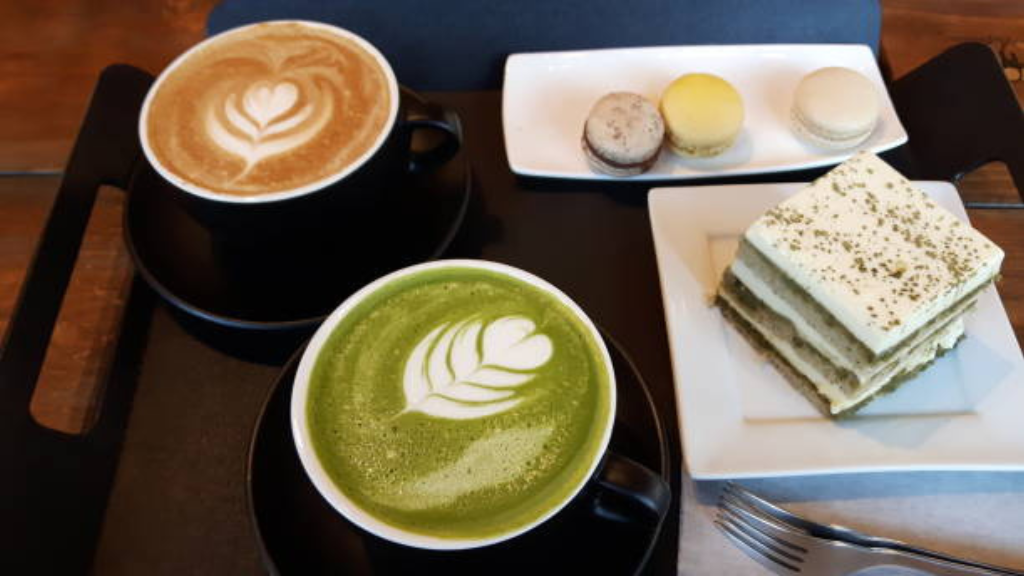
So, you're thinking of breaking up with coffee. Bold move. Maybe the nervous vibes aren’t matching your inner peace goals. Maybe you're tired of riding the espresso rollercoaster. Or maybe, just maybe, you're craving that calm energy people keep raving about. Whatever your reason, welcome to the matcha side. But hold up, before you grab the neon green powder off a wellness shelf, let's talk quality. Because not all matcha is created equal, and your switch deserves the good stuff.
Why People Are Ditching Coffee (Spoiler: It’s Not Just to Be Cool)
Let’s be real - coffee is great until it isn’t. One minute you’re invincible, the next you’re spiraling into an existential crisis, feeling suddenly anxious or overwhelmed for no real reason.
Here’s what is making people ditch their beloved brew:
🍃 Caffeine crashes that feel like your body exhausted.
🍃 Anxiety levels are higher than email counts in the inbox.
🍃 That dependence - you know, when your personality doesn’t load until your second cup.
🍃 Poor sleep quality, aka 2 am wide-eyed regret.
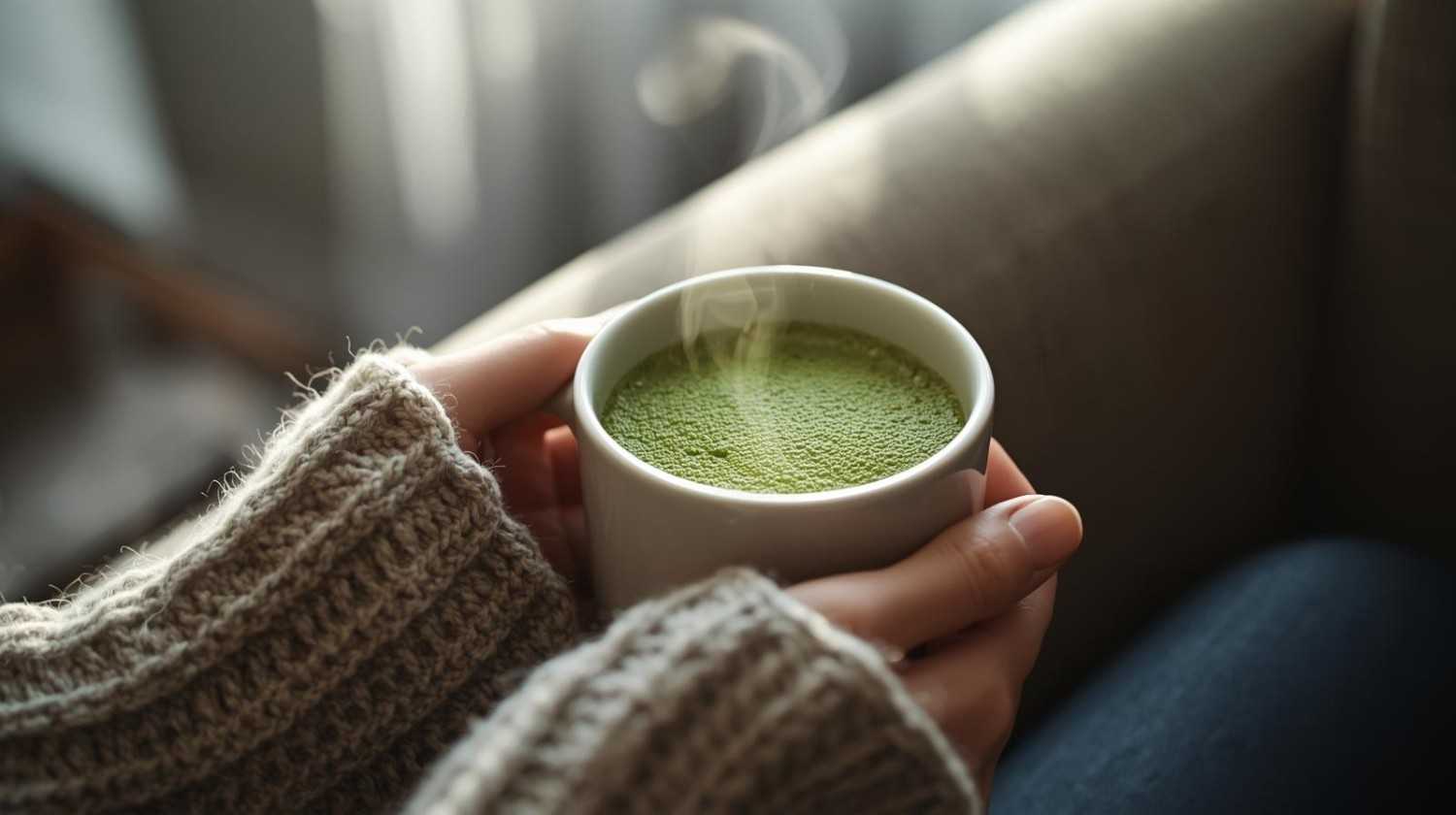
Matcha? It’s smooth. It’s stable. It’s that friend who hypes you up but also reminds you to drink water and keeps you energized.
What Makes It Different From Regular Green Tea?
First, let’s kill the myth: Matcha is not just green tea in disguise.
Green Tea = leaves are steeped and thrown away.
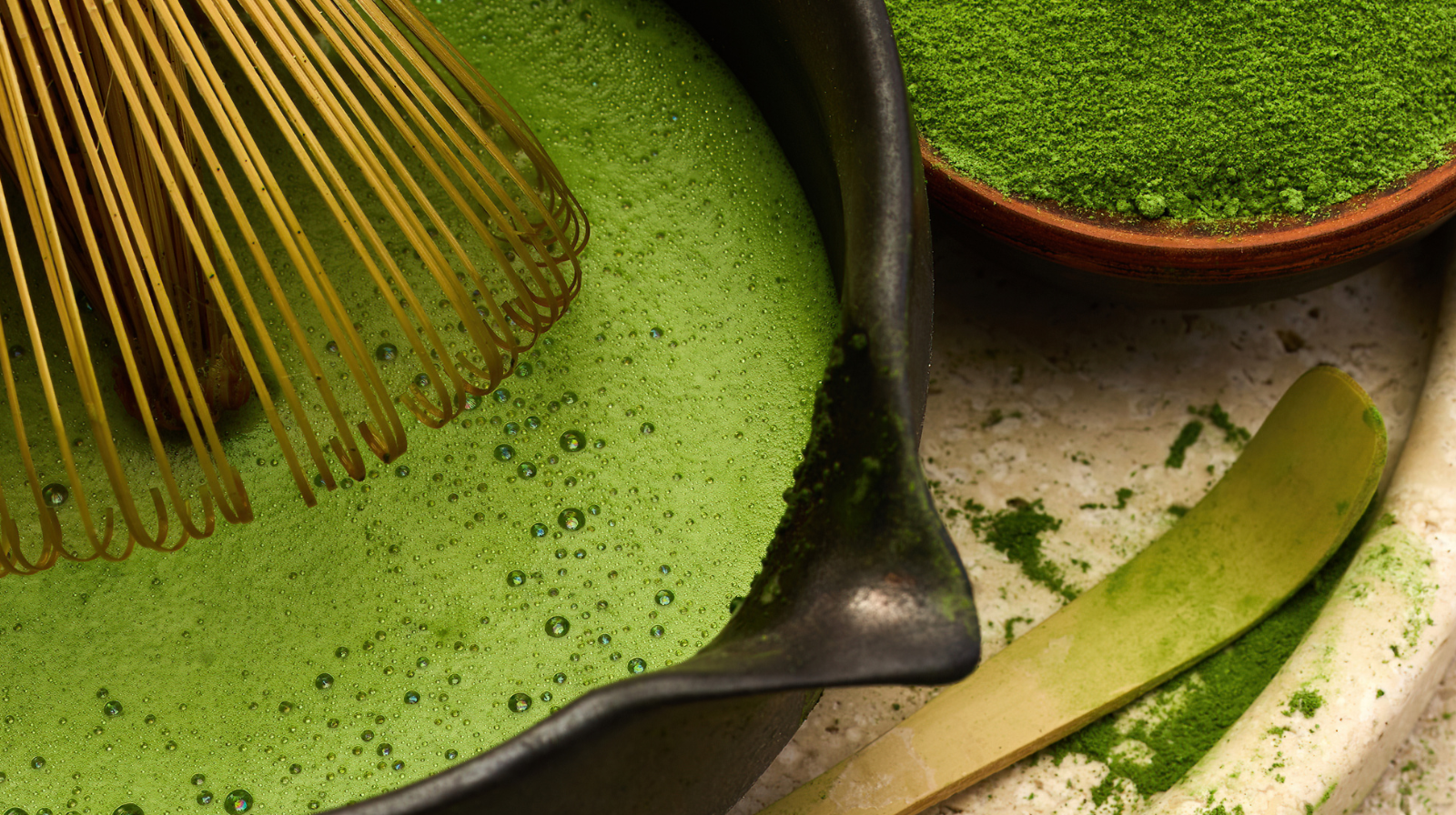
Matcha = whole leaves ground into a fine powder that you consume. That’s right, you’re getting the whole leaf, the whole vibe, and the whole mood.
Matcha is like green tea’s stronger, more focused sibling that knows how to keep calm and get things done.
The Real Benefits of High-Quality Matcha (No, Not Just Aesthetic Lattes)
Let’s unpack the real tea. When you go for good matcha, here's what you’re signing up for:
🍃 Steady energy (thanks to L-theanine, the chill-out amino acid).
🍃 No crash - just a slow, sustained lift.
🍃 Powerful antioxidants like EGCG fight free radicals like your body’s Avengers.
Premium matcha doesn’t just make you look good on the ‘gram. It works hard behind the scenes, too.
Cheap vs. Premium Matcha: Why Quality Matters When You Switch
Look - we get it. That ₹400 "matcha" from the grocery store feels budget-friendly. But if it tastes like grass clippings and smells like regret, it’s not the real deal.
Here’s the tea on cheap matcha:
🍃 Bitter, earthy taste that’ll make you question your life choices.
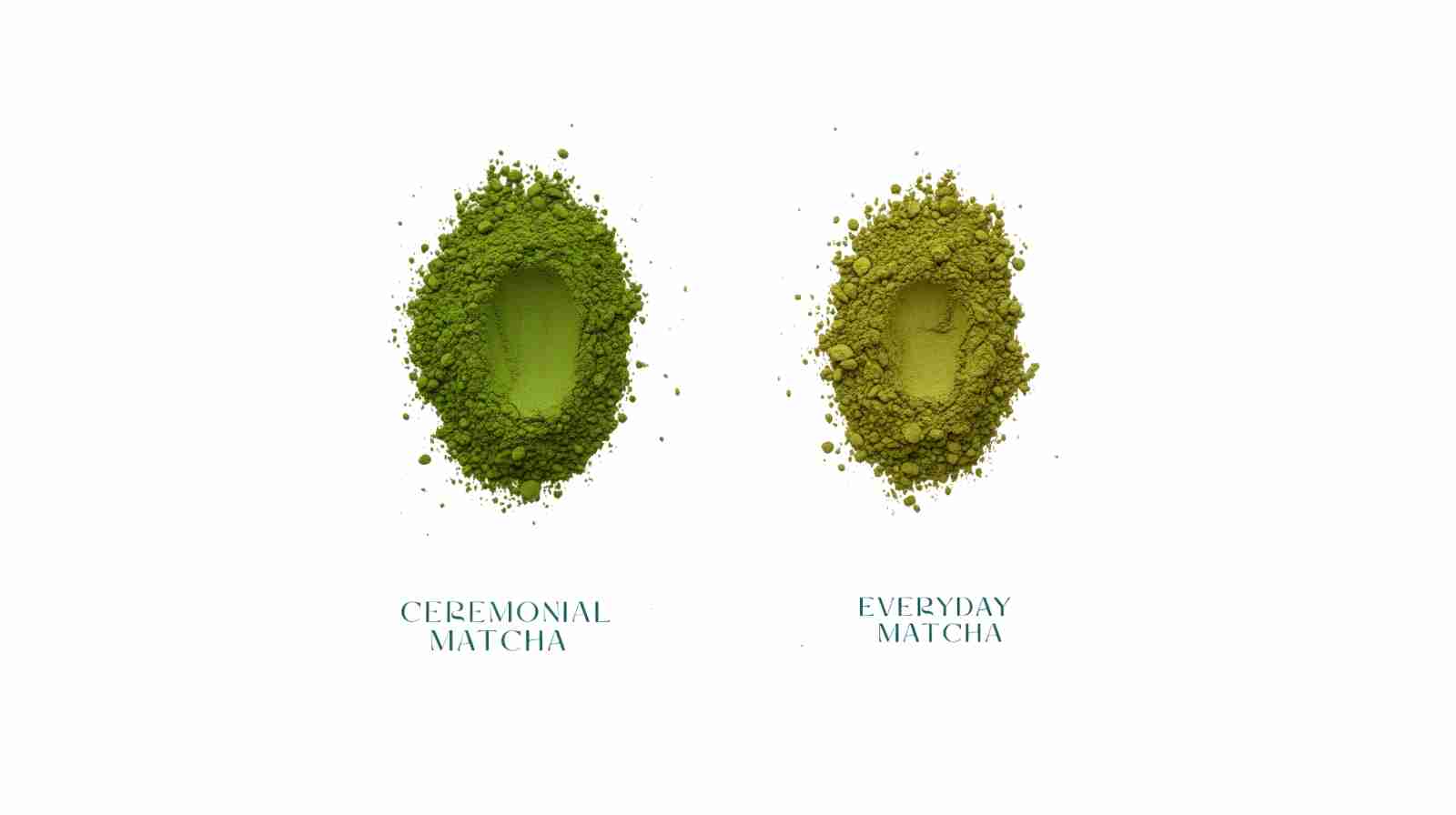
🍃 Dull color - bad color texture.
🍃 It has fewer nutrients because it’s often made from older, sun-exposed leaves.
🍃 It might be cut with fillers or even sweeteners (we’re side-eyeing that one).
Premium matcha, on the other hand? Such as ceremonial grade, shade-grown, stone-ground leaves harvested from Japan like a tiny green miracle. It’s smooth, vibrant, and full of zen energy.
How to Spot Good Matcha: The Green Flags 💚
Wanna make sure you’re not getting scammed by a poser powder?
Watch for these green flags:
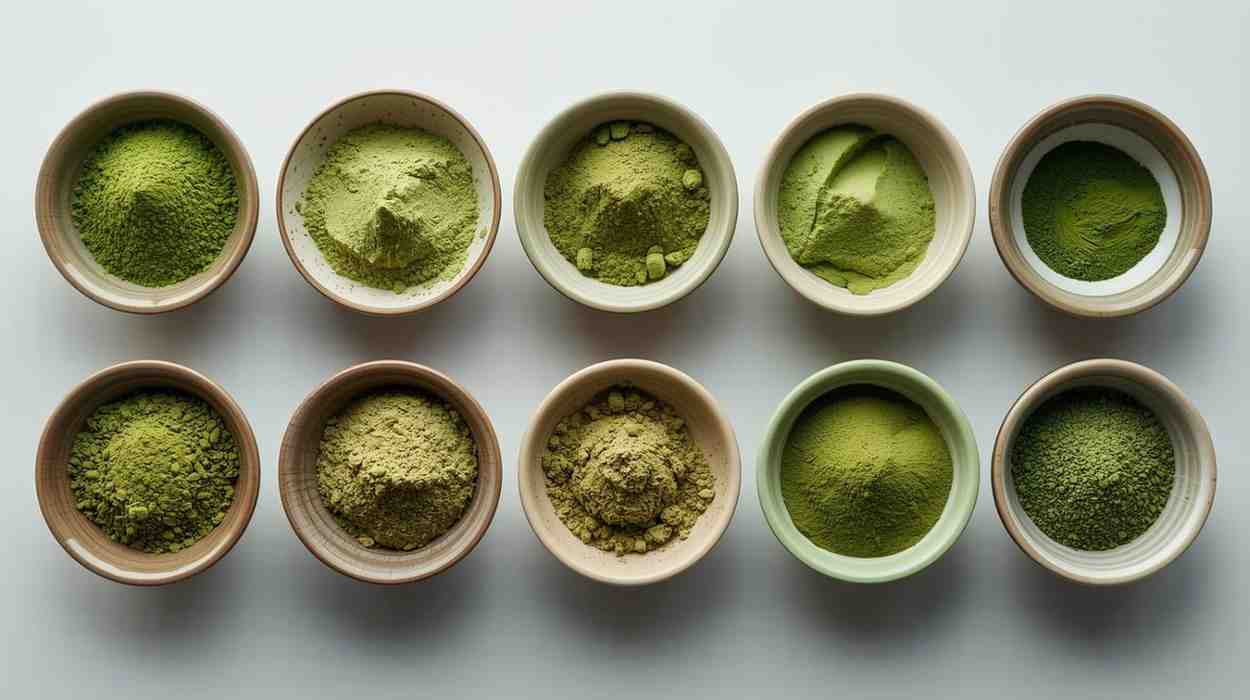
- Bright, vibrant green color – the bolder, the better.
- It smells fresh and grassy, not like dried grass from a petting zoo.
- Fine, soft powder – almost like baby powder, but make it matcha.
- Smooth umami taste – not bitter, not sour, just mmm.
- Sourced from Japan, specifically regions like Uji, Kagoshima, or Shizuoka.
-
Labeled “ceremonial grade
Conclusion:
Don’t Just Switch. Upgrade. If you’re breaking up with coffee, don’t rebound with low-effort matcha. Go for the good stuff. The glowy, grassy, velvety dream that is high-quality matcha. It’s not just a drink, it’s a whole vibe. One that keeps you calm, steady, and feeling like your best self.
Frequently Asked Questions:
1. What’s the best way to make it?
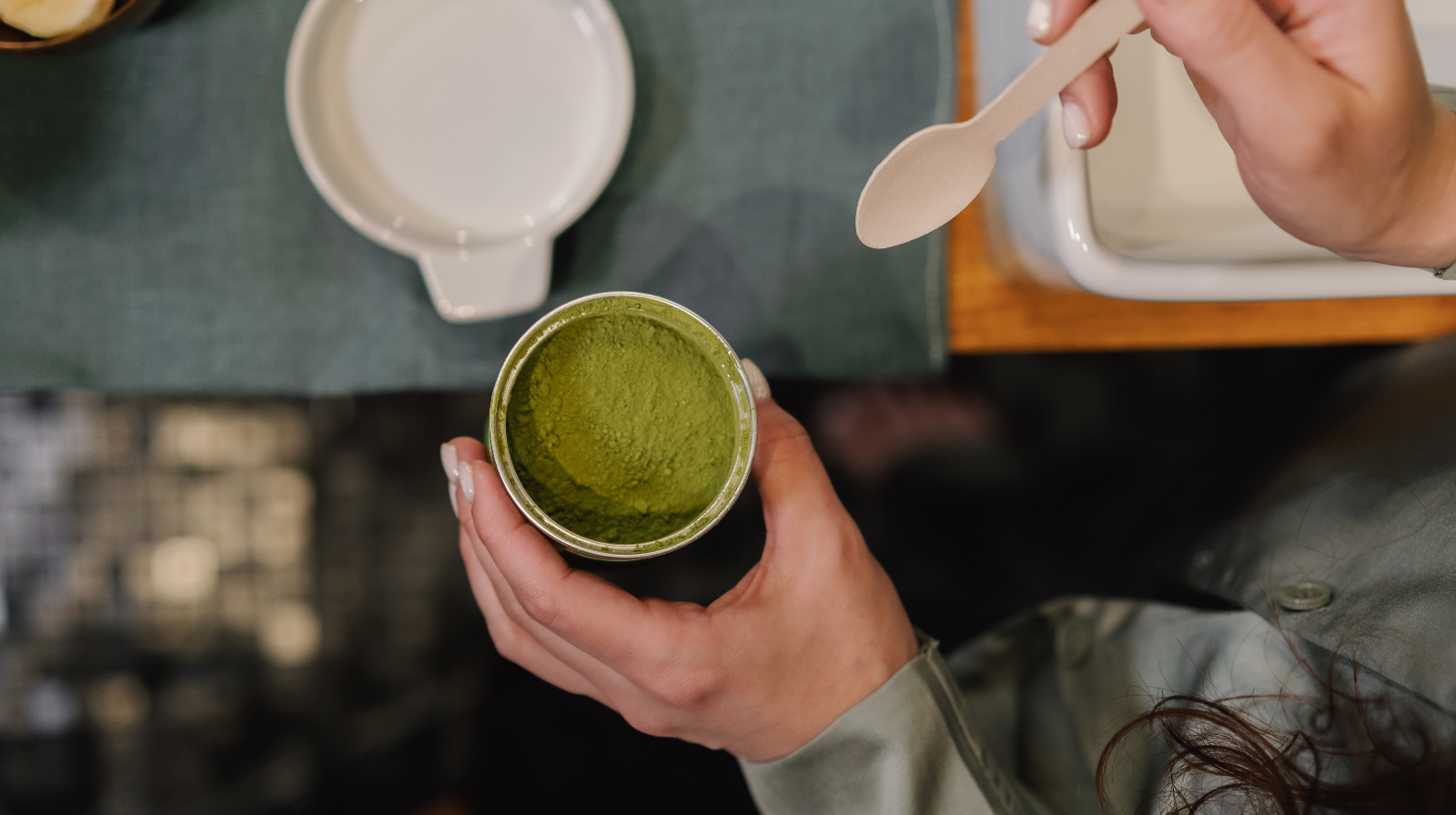
Ans. Step 1: Take 1 tsp of matcha in a whisking bowl with a fine mesh sieve.
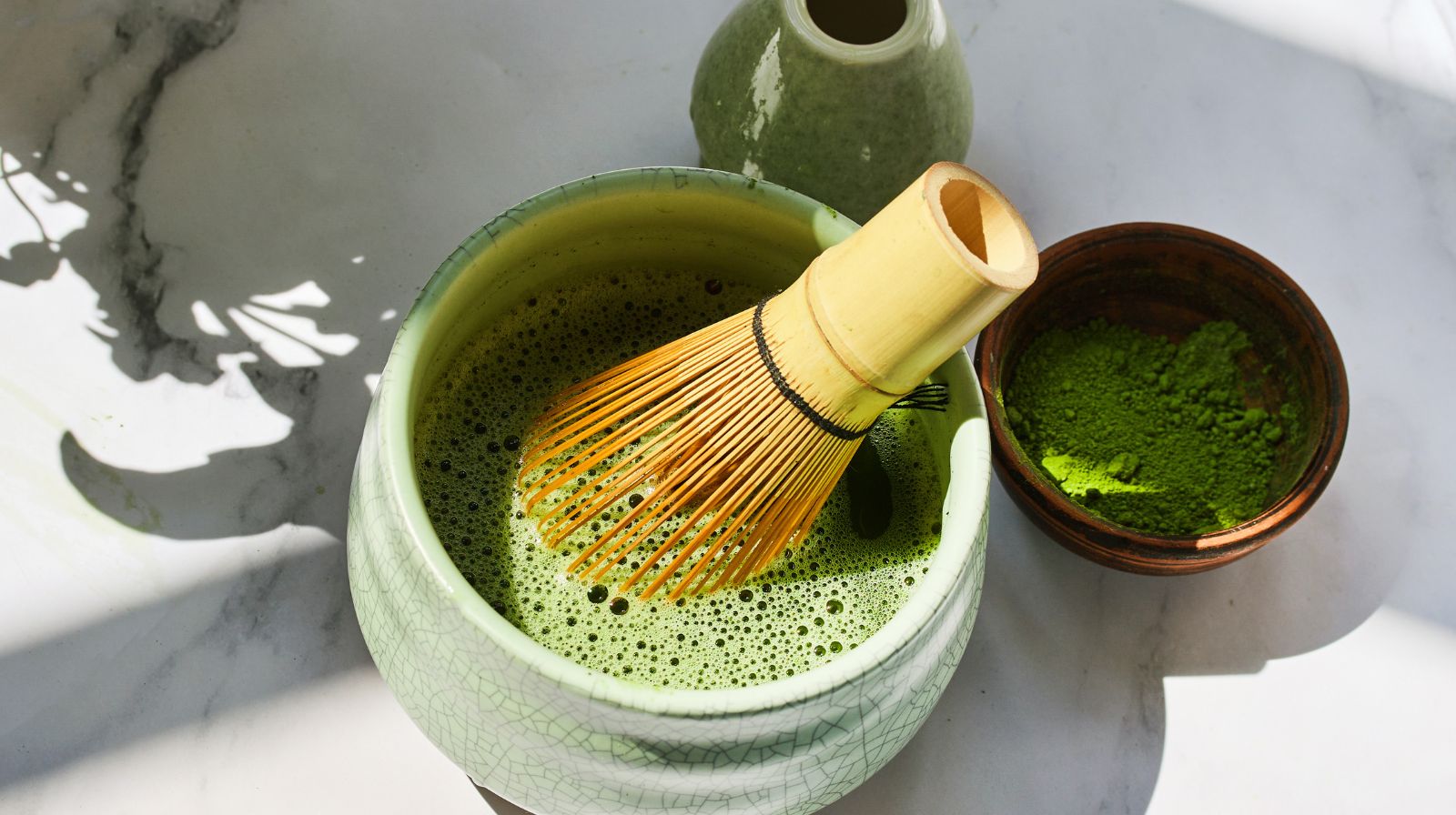
Step 2: Pour hot water boiled at 80° and whisk it till the froth starts coming and becomes smooth using a bamboo chasen.
Step 3: Once it is ready, put it in a cup or add some milk (optional) and drink.
2. Can I add milk?
Ans. Absolutely. Oat, almond, or even coconut milk make dreamy matcha lattes. Bonus: You still get all the benefits.
3. Where can I buy good matcha?
Ans. From a brand that sources from Japan, offers ceremonial grade, and doesn’t try to upsell you on “matcha gummies.”

Share:
7 Proven Health Benefits of Matcha Tea
How Much Caffeine is in Matcha?