

Key Takeaways
- We will take a look at the different grades of matcha tea and the factors determining its grade.
- Understand the difference between ceremonial grade, everyday matcha and signature grade matchas.
- Review tips and common mistakes to avoid while choosing your grade matcha tea.
In This Article
What Determines a Matcha's Grade?
Understanding the Different Types of Matcha
How to Identify the Difference Between Different Grades of Matcha
How to Choose the Right Grade of Matcha
Best Way To Use Matcha For Health Benefits
Common Mistakes And How To Avoid Them
You were recently introduced to the world of matcha tea through a friend, who spoke highly of its taste and compelling benefits. You also enjoyed its texture and earthy flavour, leading you to consider adding it into your daily routine. However, choosing between its varied options of signature grade matcha, premium matcha, everyday and ceremonial grade can become overwhelming. Selecting the wrong grade, may prevent you from experiencing the flavour profile and potential benefit that matcha has to offer.
Before you get discouraged, continue to read, as we provide a comprehensive overview of the different grades of matcha tea. Helping you to select the one that appeals to your palate, and you get to experience matcha powder’s wellness benefits.
What Determines a Matcha's Grade?
Let us begin by first understanding what matcha grade is. Matcha grade refers to the quality classification of the green tea powder. It is done based on the quality, texture, aroma, finish and intended use of matcha.
Now, let’s take a look at the science behind what determines matcha quality grades.
- The Quality of Leaf: Like other teas, matcha too is made of leaves. It is made from the leaves of Camellia sinensis and sourced from Kagoshima, Japan. However, unlike other teas that we drink, matcha powder is prepared using the younger top leaves of the tea plant to produce the finest matcha, rich in L-theanine and antioxidants.
- The Time of Harvest: This is an important factor determining the grades of matcha tea. The first harvest is rich in amino acids and chlorophyll, making it greener and smoother with a natural sweet taste. The second harvest is stronger with a slightly bitter taste, mainly used for cooking.
- Processing Mechanism: To make matcha, the tender whole leaves are carefully deveined, destemmed and stone-ground into a fine powder. This process helps to preserve all the nutrients, colour and aroma, offering balanced flavour and smoother texture.
Understanding the Different Types of Matcha
Let’s now take a look at the different types of matcha tea so that you can make your selection of the smooth, vibrant, and authentic matcha tea that tastes good and makes you feel even better.
Ceremonial Matcha

Ceremonial matcha is made from the first harvest. The youngest, most delicate leaves are carefully selected, giving it a silky, umami-rich flavour with zero bitterness. For traditional tea rituals and a mind and body glow-up, this is the best matcha grade for everyday drinking.
Everyday Matcha

Everyday matcha, also known as culinary matcha, is made of fine Japanese green tea powder. It is one of the matcha green tea grades that is great for everyday use. Made of later harvests, it has a bold and stronger flavour, making it the perfect option for a hot cuppa, lattes, smoothies, baking, or ice-creams. It has a slightly bitter flavour, which blends well with other ingredients. It is widely used for cooking, baking, desserts and making other savoury recipes. This is one of the matcha green tea grades that comes at an affordable price compared to ceremonial grade matcha.
Signature Grade Matcha

Signature matcha is made of later early summer, second harvest leaves. Its smooth texture, vibrant colour, premium sweet and subtle nutty taste is an upgrade to your regular morning beverage. This matcha occupies the perfect middle spot between ceremonial and everyday matcha, making it the drink to go for your daily dose of energy and calm focus without the caffeine chaos.
Hope after reading the different grades of matcha, we have been able to clarify your query of - is all matcha the same?
How to Identify the Difference Between Different Grades of Matcha
While choosing a matcha, one must consider not only the price comparison, but also its intended use. But pay attention to its appearance, aroma, taste and whether it is for drinking straight, making lattes or cooking.
Let us compare the different grades of matcha in a tabular form for better understanding.
|
Feature |
Ceremonial Grade |
Everyday Grade |
Signature Grade |
|
Primary Use |
Traditionally relished as a tea. |
For daily drinking and for cooking and baking purposes. It tastes best with light lattes. |
It is widely used to make smoothies, lattes and for making desserts. |
|
Harvest Time |
First Harvest (early spring). |
First or second harvest. |
Early summer, second harvest. |
|
Colour |
Vibrant, bright green. |
Slightly muted green. |
Bright emerald green. |
|
Flavor Profile |
Naturally sweet and umami-rich smooth flavour. |
Slightly strong and mildly bitter, well-balanced flavour. |
Rich in umami earthy flavour, it has a gentle sweet taste with a subtle nutty taste. It has minimal bitterness. |
|
Texture |
Creamy texture. |
Slightly less silky texture |
Silky smooth and creamy texture. |
|
Aroma |
Fresh, sweet and grassy aroma. |
Light vegetal aroma. |
Fresh, slightly grassy and sweet aroma. |
|
Caffeine Level |
Moderate. |
Moderate to slightly high. |
Moderate and steady caffeine level. |
|
L-Theanine |
High. |
Moderate. |
Moderate to slightly high. |
How to Choose the Right Grade of Matcha
Now, let’s take a look at some simple guidelines that will help you decide which grade of matcha is the best match for your taste buds.
- Traditional Cup of Tea: If you want to savour a traditional cup of tea, which has a premium and rich flavour, choose ceremonial grade matcha.
- For Lattes, Smoothies & desserts: If you are someone who enjoys a smooth, rich umami earthy flavour with gentle sweetness and minimal bitter taste that beautifully balances and blends with other ingredients, choose signature grade matcha.
- For Baking Or Cooking: You want a flavour that is strong, bold with a slight bitterness, and blends well with other ingredients in a recipe, then everyday matcha is perfectly crafted for your taste.
No matter if you are new to the world of matcha or someone who is already obsessed with it, you can take your pick from Bree Matcha’s best selling matcha powder with absolute confidence. We are hands down one of the best matcha brands in India for all the right reasons!
Best Way To Use Matcha For Health Benefits
Hopefully, you have narrowed down the type of matcha tailored to your refined tastes and are eager to make it for yourself and the rest of your family. How about we share some simple tips to get the maximum health benefits?
- Opt for a high-quality matcha and store it in a cool and dark place to preserve antioxidants.
- Start with a smaller quantity of 1 teaspoon for a gentle flavour and energy lift. If you prefer a stronger cup, add 1½ teaspoons or 2 teaspoons.
- Add it only to lukewarm water (70-80°C).
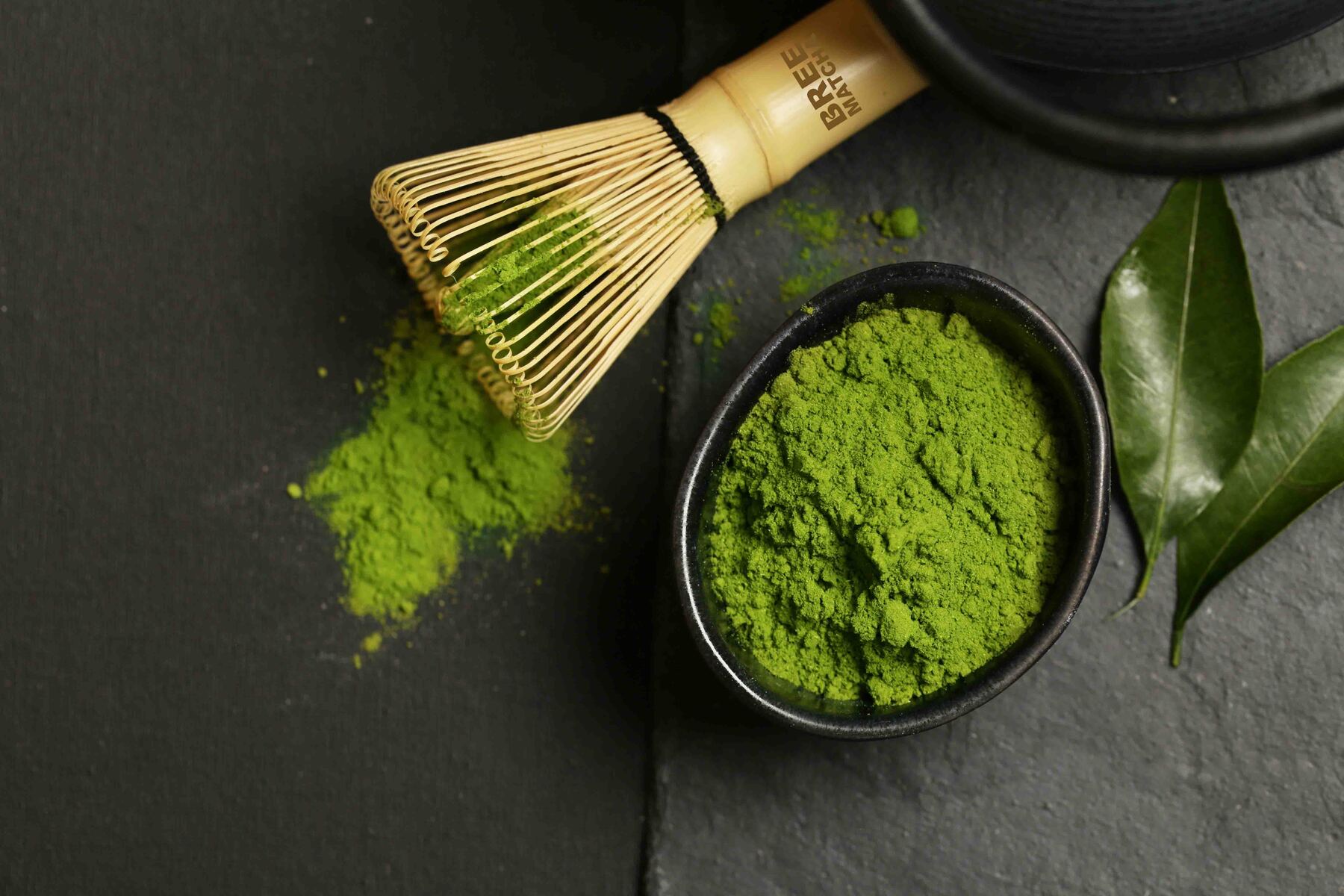
- Whisk properly, using a bamboo whisk or frother to avoid clumps and achieve a smoother and frothier texture.
- Sit back, relax and enjoy the time to savour every note of your matcha tea.
- Experiment with the powder and add it to your existing meal and snack recipes to enjoy the flavour, taste and benefits of its nutrients.
These simple tips will not only elevate the taste but also boost the overall wellness of your skin’s health by reducing oxidative stress from free radicals.
Common Mistakes And How To Avoid Them
Let us now quickly take a look at some common mistakes one makes when starting off on the matcha journey.
- Opting for low-quality, adulterated or wrong grade matcha tea.
- Adding too much powder. Start with 1 teaspoon and then gradually increase based on your taste preference.
- Boiling the water for too long makes the tea bitter. It is best to use lukewarm water.
- Over or under-whisking. If this is not done well, there would be clumps, and the texture would be coarse. Whisk gently in zig-zag motion until smooth and frothy.
Frequently Asked Questions
1. What does “grade” mean in matcha powder?
Grade in matcha refers to the quality of the tea and its usage. The higher the grade, the better the quality. Higher-grade matcha is traditionally used for drinking, and lower-grade is used for cooking purposes.
2. Does matcha grade affect bitterness?
Absolutely! Higher-grade matcha is naturally sweeter, and the lower grade matcha tends to be slightly bitter and astringent.
3. Do different matcha grades have different caffeine levels?
Yes, there is a moderate difference in the caffeine levels in matcha grades.
4. Does higher-grade matcha have more antioxidants?
Absolutely. The high-grade matcha tea is made using younger and shade-grown leaves, making it a good source of antioxidants.
5. Is first flush matcha always a higher grade?
Not always. There are a lot of other factors, such as the quality of leaves and the processing mechanism, that contribute to the overall quality of the matcha tea.
6. What grade of matcha is best?
Ceremonial grade matcha tea is considered to be the best for drinking tea because of its flavour and texture.
Popular Searches
Signature matcha | New matcha arrivals | Matcha Bowl | Everyday Matcha Mini Gift Set | Signature Matcha Gift Kit | Flavoured Matcha
Popular Blogs
What does matcha taste like | Diy matcha mask for Instant Glowup | Should you drink matcha on an empty stomach | Matcha effects on hormonal balance especially for women | Does matcha help loose weight



Share:
What Are Some Alternatives to a Bamboo Whisk for Making Matcha Tea?
Why Matcha over Coffee